summer postcards: treasures

DSC01517

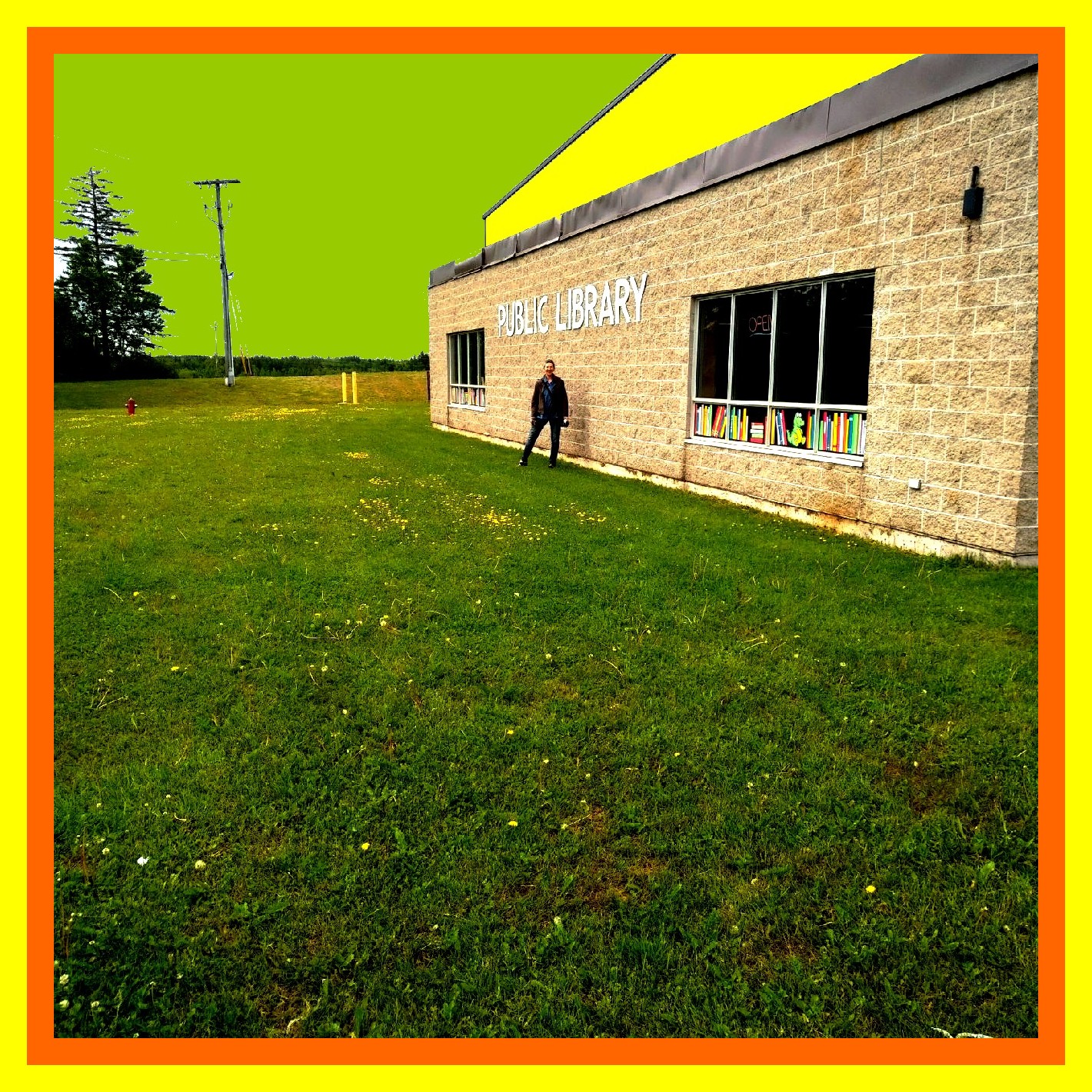
When I was a kid my dad’s answer to questions he didn’t know the answer to was either: get the atlas, or call the library.

The atlas was The Reader’s Digest Great World Atlas, which we’d open on the kitchen table, the two of us elbow to elbow, turning pages not only of maps and places but a double page spread of gemstones, the solar system, constellations, migratory routes of birds, the spread of mammals across continents, the evolution of man across those same continents; it had charts called What the World is Eating, Religions of the World, Patterns of Climate, Life in the Sea, The Vertical Distribution of Clouds, showed the distance between cities and countries, how hot, how cold, how wet, here or there, pages and pages of answers to every question anyone could possibly come up with. We easily spent hours forgetting what my original question was.

That said, it wasn’t infallible. For instance, neither my dad nor the atlas knew if I really had to make THIRTY copies of the chain letter I’d been sent. Could I not just make two or three, I asked. He didn’t know. The atlas didn’t know. Call the library! he said. And I did. And they (am I imagining a stunned pause at their end) answered. Yes, they said, they were pretty sure I could make just a few copies and not be struck down with a plague of locusts. I still feel a certain relief and gratitude for that (official library) advice, not to mention a sense of lifelong preparedness against a threat of locusts.

I still rely on them.

And I still have the atlas, which still conjures up a special kind of wonder.

IMG_20210615_1007019 - Copy

summer postcards: fine dining

IMG_20210813_1502084

Semi-distant view from an umbrella’d table on the cool lawn outside a harbourside resto in an old house whose spicy fish wraps with extra jalapeno sauce I’m quickly becoming addicted to and where our server is Charlotte two days running, whose mother works in a lighthouse and where on another occasion and with another server we are told of Arthur the resto’s friendly ghost and the woman who lived her whole long life alone in only a few rooms of the enormous house across the street.

The blueberry bread pudding is also quite heavenly.

summer postcards: conversations with trees

IMG_20190915_1154498 - Copy

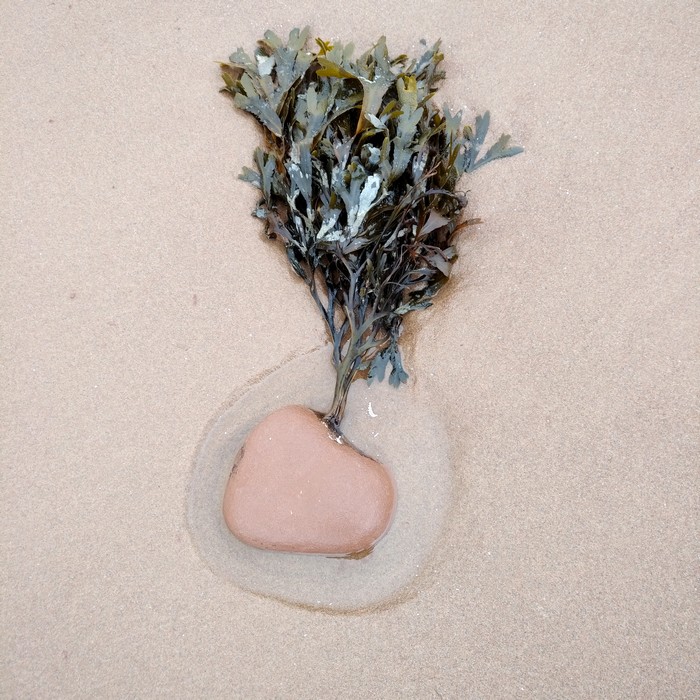
Tree growing out of beach stone, a sweet surprise, the perfect gift from the sea as I consider life between the shorelines I walk and the forest I speak to each morning.

The forest is behind my new-to-me house, new-to-me trees, we’re just getting to know each other. There is shyness on both sides.

My conversations with trees go back decades, as far back as I can remember. They are marvellous listeners, offer excellent advice on fixing paragraphs, and are intuitive when it comes to consolation.

(The language is the same no matter the variety.)

Still, friendship takes time.

I don’t tell them everything.

Not yet.


summer postcards: greetings from toad point

IMG_20210808_1650142 - Copy

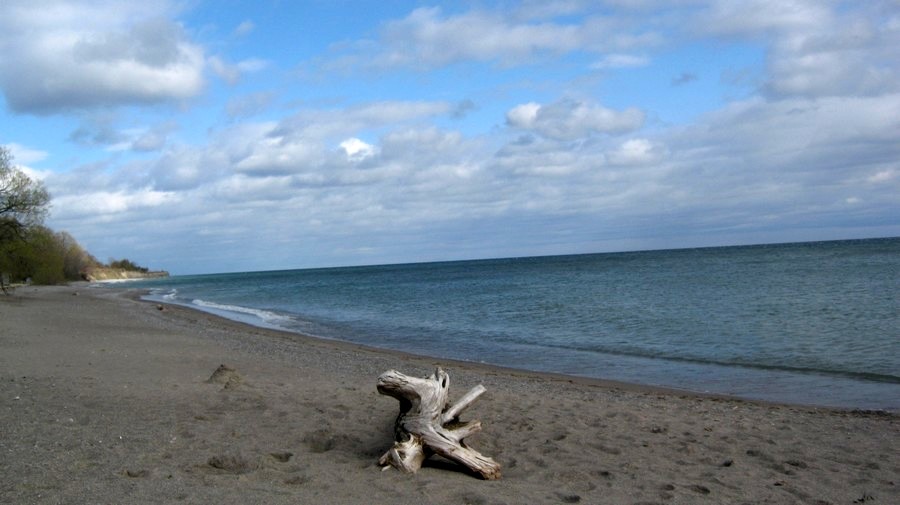
Unpacking more or less done and now at that place where we are naming the new ‘hood in the event we ever have to call in a location, as in “out of mustard at Toad Point, bring reinforcements, mayo is not necessarily a substitute”, that kind of thing.

So far we have the above plus First Point, Little Point, Far Point, Around the Bend, and What’s the Point.

summer postcards: use the good bowl

DSC01431

When you are a kid in yellow jeans eating popcorn out of an orange Fire King bowl in the basement watching Hitchcock’s The Birds while your mother entertains a friend in the kitchen who has just had herself fitted for dentures and has arrived (without them, as her gums are still settling) toothless and somehow generally diminished but oddly happy and you wonder: should you be eating popcorn? Is this the road to diminished toothlessness? You decide that no, that Cracker Jack may pose a danger but not buttered and salted in your Fire King bowl and so you continue eating, but with more care, not biting the kernels, for example.

And when decades later you no longer favour yellow jeans and have traded popcorn for pretzels as number one comfort food and which are best eaten directly out of the bag and when you realize the precious Fire King bowl had for… decades… been ‘preserved’ at the back of a cupboard in the house where you no longer live you give it a place of honour on the counter of your new house and let it dazzle you in the light as it collects vegetable peelings you will later dig into the garden.

this is not a review: ‘in praise of retreat’, by kirsteen macleod

I have my own preferred forms of retreat, not the least of which being an annual solitary escape at xmas to a tiny highway motel about an hour north in the country. The kind of place (I have discovered) divorced men go to lick their wounds and couples whose house burned down await insurance dollars and where you park your car in front of your room, where there’s a metal chair beside the front door if you feel like being conspicuous and a wooden one out back on your tiny private patio. It’s the latter I choose and sit wrapped in a heavy blanket under an awning on a snowy night with a glass of wine or a mug of chai; more stars than at home, the dark is darker, the silence more silent. I’m the only holiday traveller to this lonely sweet place at this time of the year where everyone leaves everyone else alone. I read and write and every night I stamp a labyrinth in the snow behind the motel as I watch the sun set. I eat wonderful meals from my cooler and in the morning I have a square of dark chocolate in bed before breakfast.

I can and I do all of this at home too (not the chocolate in bed and maybe that’s key) but on my retreat it all feels different. That too is key. Not what you do but how it feels.

I’m thinking a lot about all this currently and in the way of how things find you when you need to be found by them, I was found by Kirsteen MacLeod’s ‘In Praise of Retreat’, in which she writes of various retreat-ers, from Thoreau and Celtic hermits to E. Jean Carroll, Emily Dickinson and others whose lifestyle or parts of it demanded serious and regular isolationg from society. A gorgeous and enlightening read in which I’ve learned so much about ’emptying’, including that ‘kil’ is the Celtic word for ‘cell’ and refers to the caves of hermits up and down the Scottish coast.

Each of those place names that begin ‘kil…’ indicate they were once an inhabited space by some monkishly minded soul.

Written in my favourite style, heavily researched but conversational in tone, like lunching with someone whose every word you hang on to the point your soup gets cold and you don’t care one whit. In personal stories of yoga retreats, writing retreats, high and low end, historic and new-fangled retreat facilities in various corners of the world as well as accounts via third parties, MacLeod knows exactly how to balance research with a good anecdote. She tells of people who are drawn to retreats and the different and same things they, and we, are all looking for.

“A retreat is a place, but it is also an act of independence. A resolute effort of will is required. While it’s easier to go with the powerful tide of the mainstream, which requires no thought or cultivation, we can choose to withdraw our attention, step back. Like prayer, piano playing, tennis, yoga and meditation, retreat is a practice –the effort you put in shapes what you get out of it. The practice of retreat attunes you to the extraordinary, to the sacramental world.”

I’ve read other things on solitude that can get preachy or downright ho hum but not here. There isn’t a part of the book that feels heavy-handed, overdone or slow moving including a lovely section on Leonard Cohen that feels fresh with insight, in which she quotes him with this that I love because I love seriousness and it makes me happy to see someone taking it seriously:

“I think there’s an appetite for seriousness… [it] is voluptuous, and very few people have allowed themselves the luxury of it… Seriousness is the deepest pleasure we have. But now I see people allowing their lives to diminish, to become shallow, so they can’t enjoy the deep wells of experience.”

I’d like to paddle in this stream a bit longer, the idea of retreat and solitude, what it means, the various forms it takes, so if you have something to share on the subject, a quote, a photograph, a personal experience, a book, please do. I will be all ears and eyes and gratitude.

mss typed accurately and intelligently, obvious slips being eliminated

Ah, those were the days. When ads had private addresses and manuscripts were typed intelligently by people like Miss W.L. Pope of Handsworth who could spot an obvious slip when they met one.

I found this delightfulness in the sepia tinged pages of The Writers’ and Artists’ Year Book 1935, a hard cover, novel-sized book published by A&C Black Limited, Soho Square London, which also includes ads for writing schools, journalism programs, private tuition “ENGLISH FOR AUTHORS AND JOURNALISTS” by Mr. Hubert Wolff, a request for British songs and lyrics (please send to the British Song Society; “write now for a free prospectus”), ads for Literary Agents anxious to read, among other things, the highly sought after “travel and adventure stories from authors who live abroad”.

The actual point of the book is writing markets. And to that end there exists an A-Z listing between the thick block of front and back page advertisements.

And wherein you will find magazines looking for submissions… magazines such as The Aryan Path, founded 1930, India, (“mysticism, philosophy, comparative religions and brotherhood”),

Boys’ Friend Library, founded in 1895 and requesting 64,000 word ‘short’ stories (adventure and mystery),

and The Boys’ Magazine, founded 1887, “stories suitable for boys of better class”, hobbies, handicrafts, stamps, engineering, etc., no fiction and nothing exceeding 600 words” [are we meant to understand that boys of better class have a limited power of attention?],

The Boys’ Own Paper, founded 1879, (“fiction, articles on games, travel, adventure, and construction and other subjects of interest to boys about 12-16 years old. Both stories and articles are acceptable but must be bright and full of incident.”),

Cement and Cement Manufacture, founded 1928, (“articles in any language on the manufacture and testing of Portland cement”),

Dairymaid, The Midland Counties, founded 1928, (“brightly written, informative articles of 1,000 to 1,500 words of interest to homes in large towns in the Midlands, also articles interesting to housewives, including plain needlework, art needlework, knitting and cookery”),

Draper and Drapery Times, (“constructive articles describing better ways and oncoming productions immediately helpful to either the textile manufacturer, wholesale or retail trader”),

Home Companion, founded 1897, (“strong, dramatic serial stories appealing to artisan working girls and women, a love element, quick movement and exciting, homely people, original but human in plot and simply told, 4,000 words”),

Mabs Fashions, (“articles of interest to women”),

Mabs Weekly, (“sister magazine to Mabs Fashions, containing serial stories, dress ideas and renovations, fancy work for the home, beauty and cookery”),

Nuneaton Chronicle, (“uses short informative articles on out of the way Warwickshire archaeology. Payment is not high; the Editor is very courteous to contributors”),

Peg’s Paper, founded 1919, (“weekly fiction paper for girls, short stories 2,000 to 3,500 words, or long stories to 10,000 words, serial stories, a strong love and dramatic interest necessary”),

Post Annual, founded 1921, (“annual popular illustrated magazine dealing with Post Office questions, designed to extend public understanding of postal service, lightly written articles 2,500 to 3,000 words on Post Office matters, stories having a Post Office flavour, humorous drawings dealing with different aspects of the Post Office”),

~

The edition contains markets in Australia, Canada, India, South Africa, New Zealand, the U.S., as well as notices of literary contests, advice and warnings to composers, info on copyright, libel, agents, pen names, pseudonyms, submission of photographs, censorship, literary prizes, markets for writer/illustrators, for writers of greeting cards, various schools of film and playwriting, and numerous ads similar to the above for intelligent typing and ‘duplicating’ services (“ten pence per thousand words”) by Dorothy Allen, Miss Stuart, Nancy McFarlane, Miss E.M. Shaw, Mrs. Haggard, et al.

Interesting to see what’s changed and what hasn’t, much. Sport, engineering and adventure being encouraged for boys and domestic arts and romance being doled out for girls. Some progress in that area but maybe not enough since 1935.

I’m also sad that stories in many magazines and papers have long gone out of fashion, and that there seem to be fewer (paying) markets for writers (of cement and drapery especially) and saddest of all… the loss of post office intrigue and humour. Surely that is one rich vein waiting to be tapped.