summer postcards: zinnias on my mind (not in my vase)

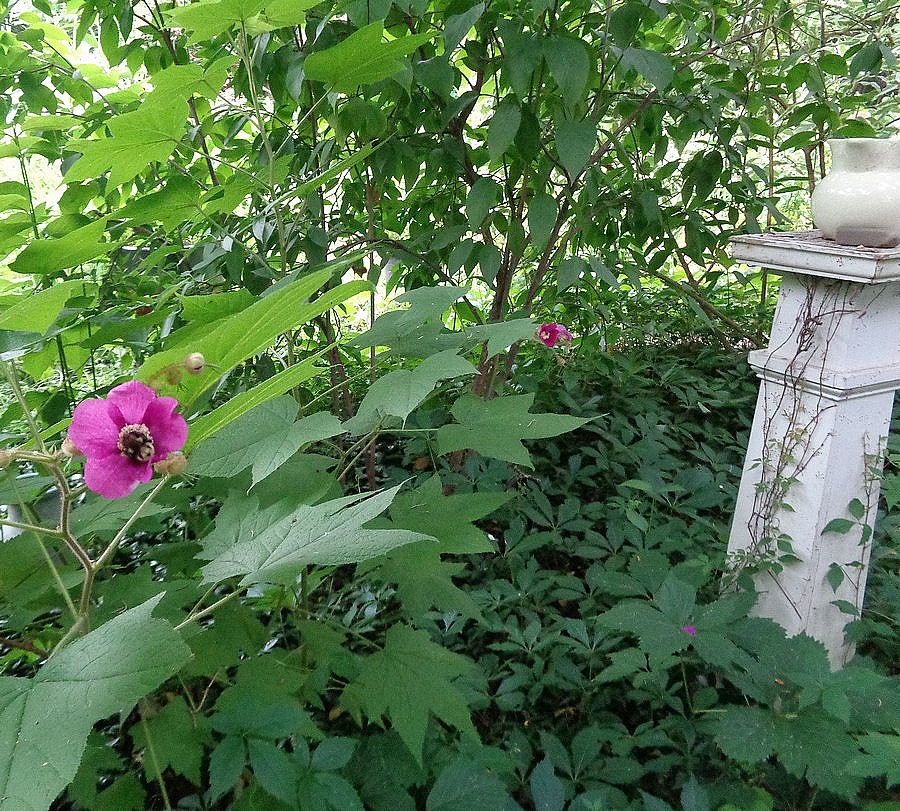
My mother’s garden always had a whoosh of zinnias. Surely among the best cut flowers but she never cut them and when I complained about the absence of fresh bouquets in our house she’d say “I think flowers are happier outside.” She wasn’t a fresh bouquet kind of person (preferring to make dried ones out of dead things in the fall) which at the time made no sense to me and felt more like she was being intentionally difficult, denying something that mattered to me just to make a point or exert her mother power. Who doesn’t like cut fresh cut flowers??

Lordy lordy. Seeing my own zinnias this morning, reminded me of all that and made me laugh. I may have over-analyzed her motives, i.e. got it wrong, because… seeing my own zinnias this morning, I thought: I like flowers outside better. And anyway, I have cats that eat bouquets. And to be honest I love those dead dried fall things.

summer postcards: bean meaning to write

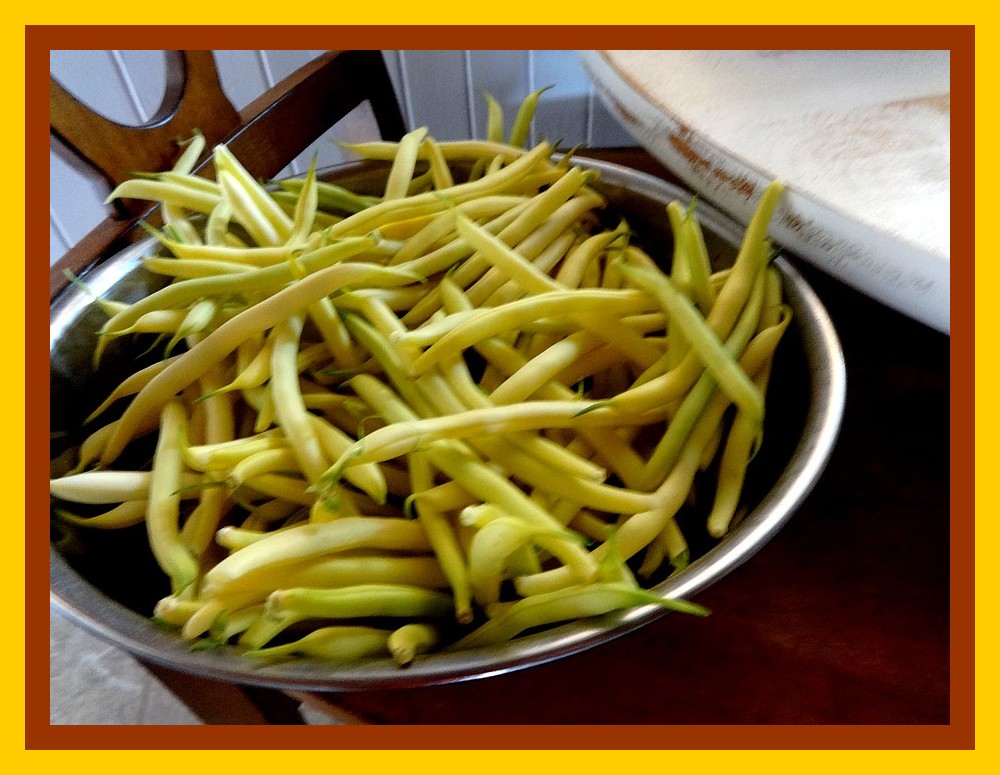
Every year, the same thing. Starts off all well-paced organization and then come August EVERYTHING is ready at the same time and I forget, every year I forget, how time-consuming it is, this glorious thing called veggie growing, and this year more time-consuming for having to water oftener than I normally would as we’ve had so little rain and the growing is slower and the harvest is less than usual and I swear I can hear the lettuce gasping some days and yet I pick a bowlful and am amazed at the flavour and so I water and weed with gratitude (I hope the lettuce gets the message) and yesterday I picked an armful of beets and today I blanched them for the freezer and picked some beans, which will be turned into salad and pickled and if there’s still extra I’ll make a yellow bean tiara.

and sow it begins

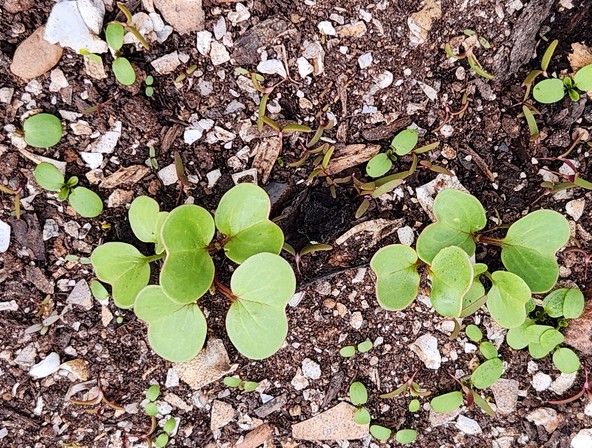
I sow radishes because of how they are with butter on slices of bread I make with almond flour and because of that night a half dozen decades ago when in a rainy cabin there was nothing to eat but radishes, butter, a rye loaf my mother made, and I ate and ate and ate and because it instantly became, and remains all these decades later, one of my most precious culinary experiences.

how to plant nine onions


Start with 10,000 or so.

Red onions.

Buy one of those little cell packs at the garden centre where they grow crowded together like blades of grass with a hint of white pin-prick bulb at the end. There are at least 10,000 in there.

Plant bulb-side down.

8″ apart.

Run out of space in your onion bed when you have nine left.

Consider squashing a few together because they are SO small, how can it hurt and you’re sure you’ve read something where it’s actually a good idea to squash them together.

Have a moment of doubt.

Consult your trusty gardening guide. (Don’t judge its falling apart condition. It is one of your best friends. Do consider creative use of duct or other tape at some point.)

Discover that onions love tomatoes.

Instead of squashing, decide to plant them companionably in the (as yet unplanted) tomato bed.

Dig over tomato bed and amend with manure from the cow named Rose down the road, which has lived under the tarp since last summer. (Manure, not Rose.)

Figure you may as well amend all the beds while you’re at it.

Dig dig dig. Manure from pile. Manure into garden beds. Finish with rake.

Whew. (wipe brow)

Decide to keep the last bit of manure for pots. Decide to keep it in the wheelbarrow not on the tarp. Enlist someone to help you lift the tarp and tip into wheelbarrow. Move now full wheelbarrow back to shed.

Clean tarp.

Decide to seed white clover over the bare spot left by manure on tarp since last summer.

Cover seed lightly with earth from earth pile (dig dig dig), which you will now have to carry in a bucket because the wheelbarrow is in the shed, full of manure.

Decide to seed a few other bare spots with white clover.

Dig more earth.

Water clover’d areas. (Unravel hose and drag around to clover’d areas.)

Go back to tomato bed and make a row with trowel.

Plant nine onions.

8″ apart.

book

this is not a review: ‘life in the garden’, by penelope lively


If, during these sheltering at home times, you’re lucky enough to have a garden, I’ll bet you’re embracing it. I know I am, with infinite pleasure. Not only in love with my own green space but ever more in love with gardens generally, including those of friends through shared pics and conversations and all the beautiful green energy that gardens generate.

Also books about gardens.

Most recently ‘Life in the Garden’ which is so perfectly titled how could I not be drawn to it given that these past three months it’s been my theme song and even now when the world is slowly opening up and I don’t think that’s maybe the best idea I continue to live, for the most part, in my garden.
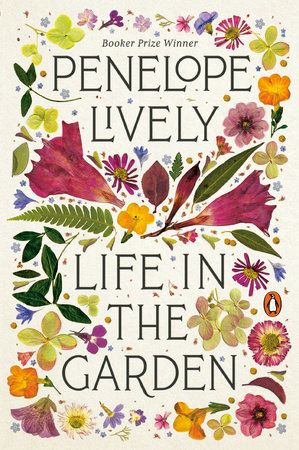
A slim thing, 186 pp with not a wasted word, reflections on gardens and how they connect to art, to literature,  history, as well as the fashion of gardens (white garden in, wax begonias out, that kind of thing) and the inanity of the Chelsea Flower Show. This last observation especially endears me to the author. The point of it all being that gardens are as individual in appearance and purpose as those who create them and the natural environment in which they exist, and should never be influenced by trends, fashions or other dictates.

Not a new philosophy but what IS new? The writer’s job is not to invent the wheel, but to show it from a perspective that feels fresh, that makes us think differently about something familiar just when we thought we’d thought it all.

“I do not look at [photos[ with the same intensity that I look at a painted garden… The photograph reports; the painting examines, interprets, expands.”

I like how Lively distinguishes between gardening and creating, or allowing a garden to simply be. The former being weeding, etc., the latter everything else. While able to admire aspects of the fancy schmancy spaces with boxwood edges trimmed to mad levels of perfection, she prefers a sort of contrived disarray, enough hands-off so that plants can truly find their own space with only occasional intervention and nudging so that there is fairness to all and a limit on anarchy. This works against the principle of insisting the blue things go here and the yellow there.

“Gardening is not outdoor housework.”

She writes about gardens in various urban and rural settings and how, surprisingly, it’s the suburban gardens (those between city and country) that, despite a devotion to lawns, also tend to have the larger number of green spaces/gardens and the greatest diversity of plants.

There are bits about Virginia Woolf’s house near Lewes, purchased in 1919 when she was thirty-seven and her years of gardening there with Leonard and thoughts on the Garden of Eden and while… “God made the beast of the earth after his kind, and cattle after their kind, and everything that creepeth upon the earth...” she would have been that much happier had there been some second thoughts when it came to creating vine weevil and greenfly.

She writes about The Eden Project, vast biomes housing a rainforest in Cornwall and how Gertrude Jeckyll was THE gardening guru of her time, her books the forerunner to Home and Garden magazine.

She writes about gardens as inspiration for art—German Impressionist, Max Liebermann’s garden at Wannsee, a suburb of Berlin, Gustav Klimt’s, fin-de-siecle golden ladies, his ‘cottage garden’ flowers of 1905, Munch’s Jealousy in the Garden, (one of eleven Jealousies… including Jealousy in the Bath, etc.)

“Van Gogh said that he discovered the laws of simultaneous colour contrast while studying flowers.”

And she writes about the rhododendrons of Daphne du Marier’s Rebecca. (which Lively personally doesn’t like for their aggressiveness and show-offy ways and which make them perfect for what they symbolize in the book)

Nor does Lively hold back her opinion of A Secret Garden, which she doesn’t love for its sentimentalism and heavy handed approach about the healing aspects of positive thinking which Frances Hodgson Burnett arrived at through Christian Science. (Here I might disagree with Lively. Not on Christian Science, of which I know zip, but that the power of positive thinking itself surely can NOT be a bad message. Though she has other issues with the book and I would need to re-read A Secret Garden to comment further.)

However, Lively (don’t you love her name) IS a huge fan of Tom’s Midnight Garden, by Philippa Pearce, and references a scene where Tom meets an old woman, Mrs. Bartholomew (once the young girl of the story) who she tells him that “nothing stands still, except in our memory” . The scene goes on a bit longer and Lively shares it all, then adds her thoughts: “For the boy Tom, this is a moment of maturity, a glimpse of the continuity and of growing up, and a reason why [the book] is one of the greatest children’s books of all time. But above all, it is a narrative of great elegance, simply told, and leaving you with insights into the nature of time, and memory.”

The Stone Diaries comes up (when Daisy Goodwill becomes a garden columnist). And Elizabeth and Her German Gardenabout living in Prussia and gardening not being allowed for ladies. Which Lively mentions must have been a Prussian thing because it’s long been okay for the upper class to get their hands dirty (but only in the garden, and with help of course).

My TBR list increased a fair bit thanks to Lively. I now need to add Anna Pavord for gardening advice and compost making. Also her book The Tulip.

Also Margery Fish, a pioneer of informal gardening.

And Karel Capek’s The Gardener’s Year (who employs tongue in cheek humour about the ‘joys’.)

I discovered what a landscaping ‘ha-ha’ is (an architectural term for an optical illusion) and that there was a tulipmania period from 1634-37. “…at its height one of the most prized bulbs changed hands for a price equivalent to one of the then finest houses on an Amsterdam canal.”  One of the special charms of the book is that every single thing she writes about is interesting and well presented but short. No eternal chapters devoted to just one thing. Tulipmania, for instance, is beautifully explained in a page with a perfectly acceptable sense of if you want to know more about it, look it up.

Where Lively and I disagree to some extent is on the use of the Latin to describe plants. I understand its helpfulness in terms of genesis, but it does take a lot of remembering of syllables and comes off a bit snotty.

“My beloved signature plant, Erigeron karvinskianus,comes from Mexico and is sometimes called Mexican fleabane, tough I wouldn’t dream of doing so.”

But fleabane is SUCH a much lovelier name! Come on now, Penelope.

 And then she’ll say something like this:

“The gardener ends up with a head crammed full of names…. but I have not yet stared at a rose wondering what kind of flower this is, and in fact plant names seem to surface more readily than those of politicians or celebrities, which is as it should be, as far as I’m concerned.”

And once again, we agree.


once upon a time, the series (in no particular order & with random garden pics): part one


Once upon a time there was a girl who wanted to be a telephone operator. This was in the days when telephone operators actually had some form of conversation with people, when they would be allowed to take the time to look things up and ask questions and solve mysteries based on being given info such as I’m not sure what street so and so lives on or if the first name is Robin or Roberta but for some reason I’m thinking butterflies has a part in things. And the operator would say hmmm, well, let’s see… But the telephone company didn’t hire the girl even though she filled out an application and wore a very nice dress when she dropped it off. And so the girl had to continue to have conversations only with her friends and remain unpaid. This was in the days when # was a number sign. Also a pound sign.


wordless wednesday with words


Blog challenge: shadows

Laundry year round and so grateful now that the sheets no longer come in as planks.


Bought this obelisk for 50 cents or two dollars or whatever from a guy at a rather make-shift garage sale outside an apartment building who said he was leaving town to go live with his mother in Florida. He was in his fifties at least and there was something sad not jubilant about his plans and he seemed to put a great deal of weight on the sale of these bits and pieces as if it was going to help his cause and every time I walk past this thing (which I love) in the garden I think of him and hope he is well. Whoever he is.


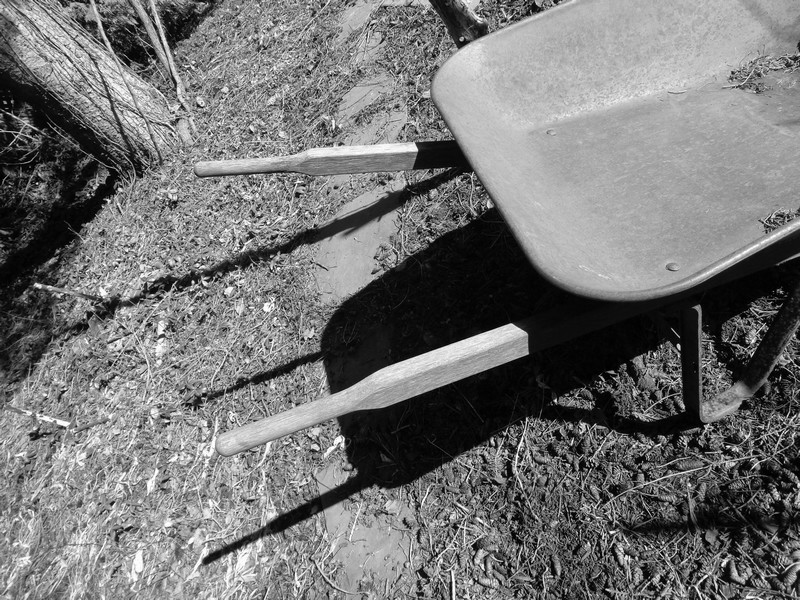
My parents gave us the gift of a wheelbarrow when we moved into this house. After a couple decades of hard use it finally rusted out and has since been put out to pasture near the blackberry bushes. I would like to grow cucumbers in it this year.


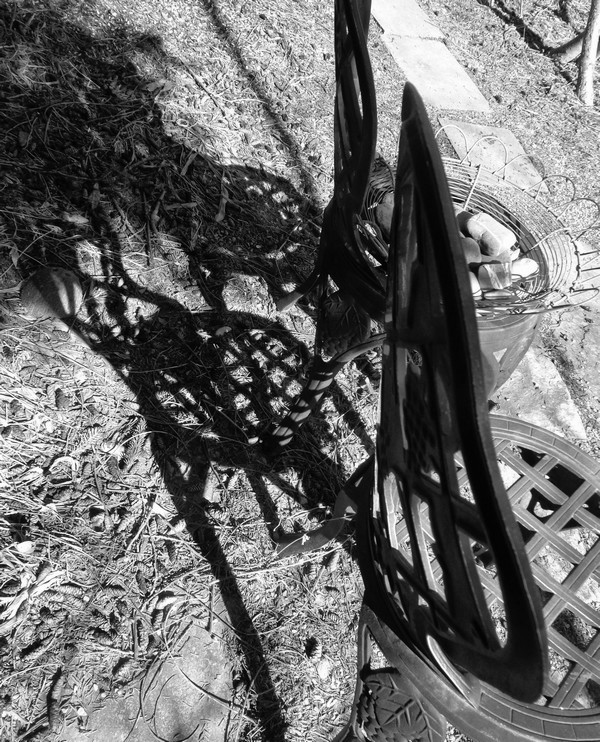
Chairs for tea and sunrise watching. Fairies live in this vicinity.


Unfortunately the picture doesn’t show my beloved cat socks.


This candle, never used, smells exactly like everybody’s dad’s aftershave. It’s lived on our patio table for at least two years and sometimes when I’m sitting outside and want to conjure up a certain memory, I lift the lid, close my eyes and inhale… and it’s nineteen seventy something again.


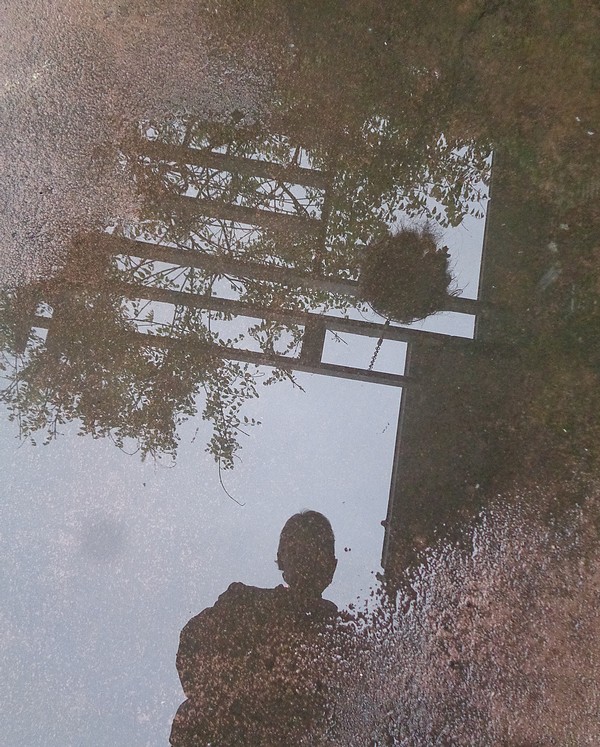
#thepowerofshadows

& a poem.


a story of perfection


Once upon a time I used to spend hours trying to arrange the garden so that the tall blue things would grow behind the shorter yellow things but not bloom before the red things and I’d get frustrated if it all didn’t work to plan.

We had just moved into our house. There was still a lawn then, and a couple of tidy but boring flowerbeds with unloved plants. (The beds were boring not because they were tidy but because they were unloved. You can always tell.)

We planted a veggie bed and took up the lawn and enlarged the boring beds and laid down some stone paths (that become a labyrinth in winter) and although I was still trying to control the reds and the yellows, I began to notice things moving around on their own. And instead of fighting it, I eased up a little and watched the changes, the way the joe pye weed took over the space that was once thick with lupins and though I love lupins and missed them, the joe pye weed brought new pleasures. And dragonflies.

It seemed the garden knew how to be.

And it occurred to me that it didn’t need a foreman or a director orchestrating the blues and the reds. (It needed a maintenance manager for sure, but not a lot else.) The garden knew what to do all on its own.

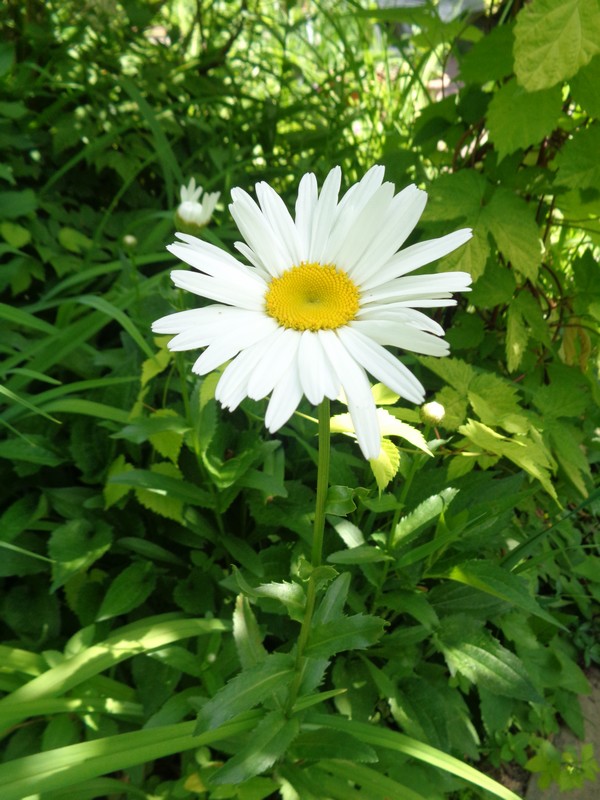
It knew that this grows well here and that doesn’t. No matter how much you try to force the issue… this will grow and that will not. And it knew that the daisies didn’t want to grow in a clump and somehow they became willy nilly singles and twosomes in places of their own choosing.

So I surrendered to the wisdom of the garden, accepted the job of maintenance manager and let the plants pretty much decide what works.

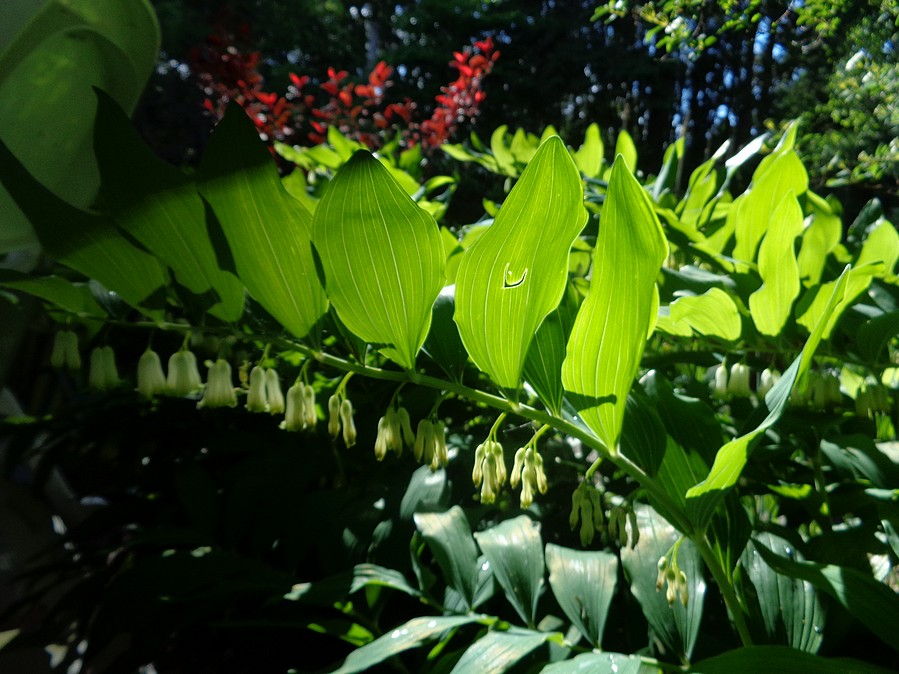
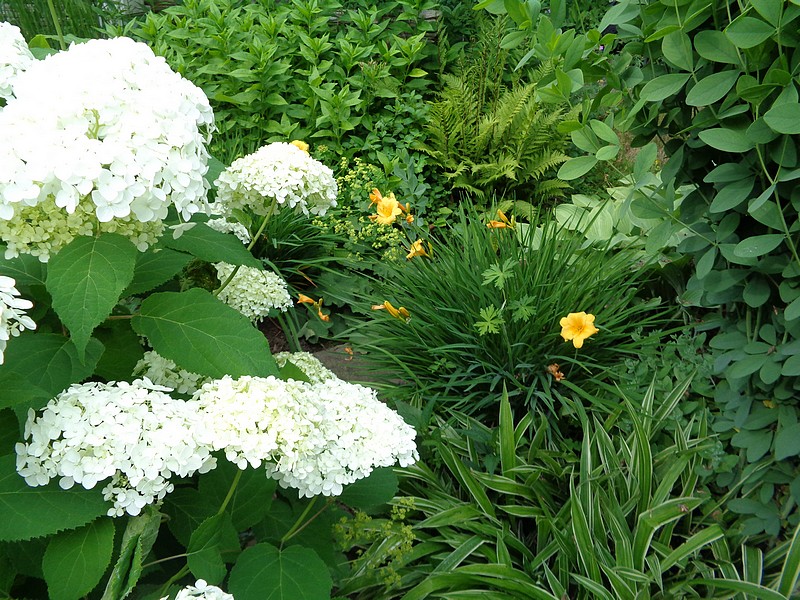
The result is a chock-a-block, semi-naturalized space with a variety of things, some planted by me, many pooped by birds or self sown and appearing in areas of their own choosing. The dragonflies rest in the sun on native solomon’s seal and the flutterbys flutter by and everything is hale and hearty because nothing is there against its will. *Nothing requires extra watering to stay alive (except the veggies), nothing needs fertilizer. Just the maintenance of clipping and weeding and the joy of daily walks to see what’s new and — oh yes, very definitely yes! — commentary en route. (Plants love a bit of chat.)

Every year it’s the same but different… a drift of bee balm has slowly taken over from black eyed susan while the black eyed susan has moved in among the grape vines and the prairie sunflowers have nudged out the yarrow but make room for the salvia… and the pleasure I get from watching these changes, the symbiosis of the plants, is beyond measure better than anything my wee human mind trained in symmetry could ever plot out.

Perfection is a myth in all its forms.

And even if some form of it were achievable (the gardens of Versailles? the hanging wotsits of Babylon?), I’d opt for the imperfection of happy surprises around every corner. Every time.

For which I take no credit.

“A little studied negligence is becoming to a garden.”  Eleanor Perenyi


thinking in ink

 
Idle thoughts this morning, outside, pen in hand, and I almost don’t want to write at all because of all this green green beauty everywhere but I’ll write what I hear instead. Cardinal in the distance and a closer trilling (robins??), also some cooing and squawking. Much birdsong in any case and I think of Rachel Carson’s book and I don’t want to read it, don’t want to interrupt (ah, crow!) the beauty of this green fantasy, with reality, which of course is the whole problem with everything, the reason we fill our houses and cars and streets with garbage, our waterways, whole oceans and landfills and the landfills of other countries. And we believe this is evolution. We are experts at not interrupting our fantasy with reality.

Evolution (synonyms):

  • change
  • expansion
  • growth
  • progression
  • transformation
  • flowering
  • increase
  • maturation
  • unfolding
  • evolvement
  • natural process

So I sit outside this morning after the rain overnight  and the still dripping trees, cosy and dry under a patio umbrella and I listen as I write. Cars in the distance, a train. The sound of the still dripping. Earlier I walked barefoot in a puddle on the cement and now a sow bug meanders (wrong word) near my tea mug (un-related).

Sow bug:

Prefers damp or humid areas and darker areas too. Also know as woodlouse.

There are 756,211 shades of green in the yard. At least. Two morning glory vines please me in how their slender tendrils are already grasping for something to climb. (Distant cardinal, crow again…) Rumour has it the cardinal’s song (in the morning anyway) is a call to its mate to say I’m here, I’m fine! A pair have made a nest in the burning bush for the second year.

Crow:

Proportionally, the brains of some crows are bigger than ours.

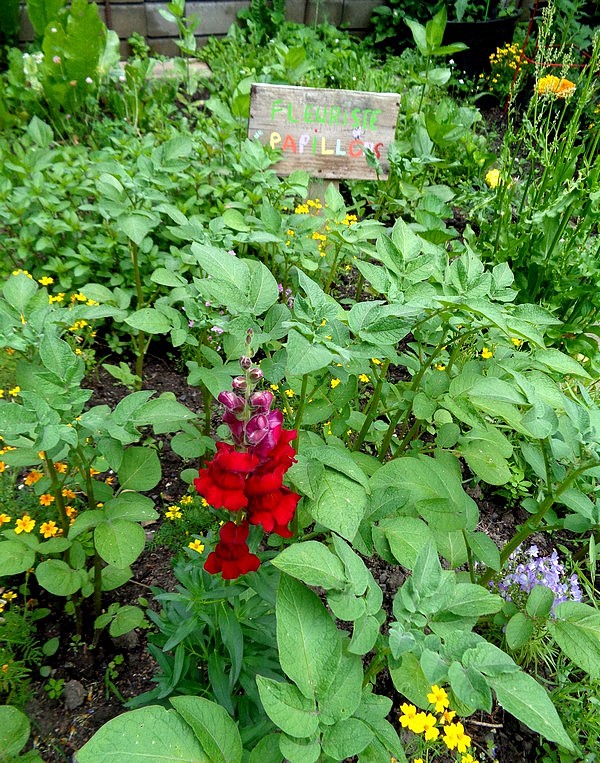
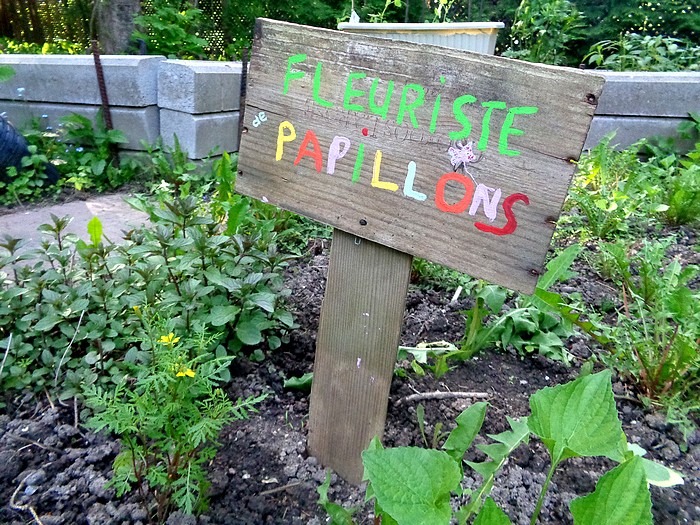
Yesterday I planted a garden for the butterflies and put up a sign: Fleuriste Papillon… It may, I’m thinking, be helpful for butterflies travelling from other places (though aren’t they all?). Of course I realize now that Spanish would probably have been MORE helpful but I was recently in Montreal and saw the papillons in the botanical gardens, which seemed a sad though beautiful thing, though the space was large and light and filled with tropical flowers and trees and nectars. I spoke with someone there and askedif it was indeed a slightly sad thing and she said no, no, not at all, that the butterflies were born into it and knew nothing else and that they had everything there they needed, that most had a lifespan of only days to a few months. Butterflies are a much more complex thing than I realized and the number of varieties, shapes and sizes, was mind-boggling. Overall, an excellent learning space for humans. And they did seem happy enough but who can ever be sure?. Later we passed a number of fleuriste shops and it occurred to me that my two favourite words in French are fleuriste and papillon. And so the sign… though possibly more practical for incoming insects… could not be in Spanish.

Papillon in Spanish:

Mariposa.

et voila.