a large enough heart

I’ve come out of THIS IS NOT A REVIEW semi-retirement to say a few words about ‘Encampment’ by Maggie Helwig.

It’s worth reading. No, it’s not worth reading, it’s essential reading.

In a nutshell, Helwig is the pastor of St. Stephen in the Fields, a church in downtown Toronto, the property around which served for a few short years as home to both long term and transient members of unhoused society. During this time a community developed within the ‘encampment’ and among members of the church and the neighbourhood. Some members of the neighbourhood. Others weren’t so welcoming and as Helwig points out, they had many reasons to be disgusted, worried, and fearful because when people have not a shred of privacy, the things that are performed within sight of all and sundry aren’t always the best of sights.

That homelessness is an unacceptable aspect of our streets isn’t up for debate by anyone, least of all Helwig. While she and her team acted as welcoming hosts to the unhoused, the addicted, the mentally unstable, offering not only comfort, rock solid assistance in countless forms, regular meals and, most important, humanity, this didn’t make them pro-encampment. It simply made them sympathetic to the needs of people who had no other options. There aren’t enough shelter beds. There aren’t enough services for people trying to get help. There isn’t enough sense of community across economic and other lines. There IS, however, a kind of magical-thinking belief that somehow ‘out of sight’ equals a solution. Whack-a-mole with human lives. There is also the notion that a few of the least willing to accept help among the homeless represent everyone on the streets. That these are, for the most part, lazy folk living off the kindness of others. Helwig clearly shows why that isn’t the case. There will, of course, always be some who refuse help, true, but the vast majority would welcome it and that would change the landscape, literally. Instead, where homelessness and mental health issues are concerned, the baby is being thrown out with the bathwater.

The irony (if that’s the right word, insanity might be more accurate) is that the cost of providing a bed in prison or hospital is HUGE by comparison with the cost of a shelter bed or a supportive housing bed. Not to mention the benefits derived from constructive solutions, versus the perpetuation of cycles by blaming the ‘problem’.

The book outlines the reality of not only Helwig’s (losing) battle with the city to allow the encampment to continue to exist in its role as ‘something is better than nothing until something better can be created’ and for its huge positive effect on those people who made the churchyard, and Helwig’s heart, their safe place.

Helwig is excellent at illustrating the obstacles faced by the homeless. It’s a greased hill they climb and they get tired and disillusioned. The miracle is that they survive at all. The even bigger miracle is that some rally in support of others as their way to survive. Others are without question (and without knowing them), frightening and offensive. We might be too, in their shoes.

Helwig illustrates what being in those shoes is like from a vantage point as close as you can get without actually walking in them.

What the book does so well is remind us that any solution lies in knowing more not less about ALL of the each others we are. Because by the grace of god… etc.; we are so very absolutely equal no matter our circumstances. And while we can’t all give our hearts to the same passions, some choosing environment, arts, education, children’s health, the state of the economy, struggling family farms… the inequity of everything… an endless list… the truth is that none of it, including the lack of housing and services for people broken in a myriad of forms, is less or more important than anything else. By looking away from what offends us we harm ourselves in ways we don’t recognize. By creating safety for all, we create safety for all. What we need is a heart big enough to accept that there is no them vs us. We share spaces differently. And there are reasons for that. But we all want and need the same things. And we all benefit when those basic needs are met.

I would love to see ‘Encampment’ on every curriculum, and in every boardroom.

Solutions to everything, including homelessness, begin with understanding the situation, and understanding begins by asking those who know it best… what is needed? And then listening, and acting.

The solutions may be complicated, but the effect of turning away is even worse.
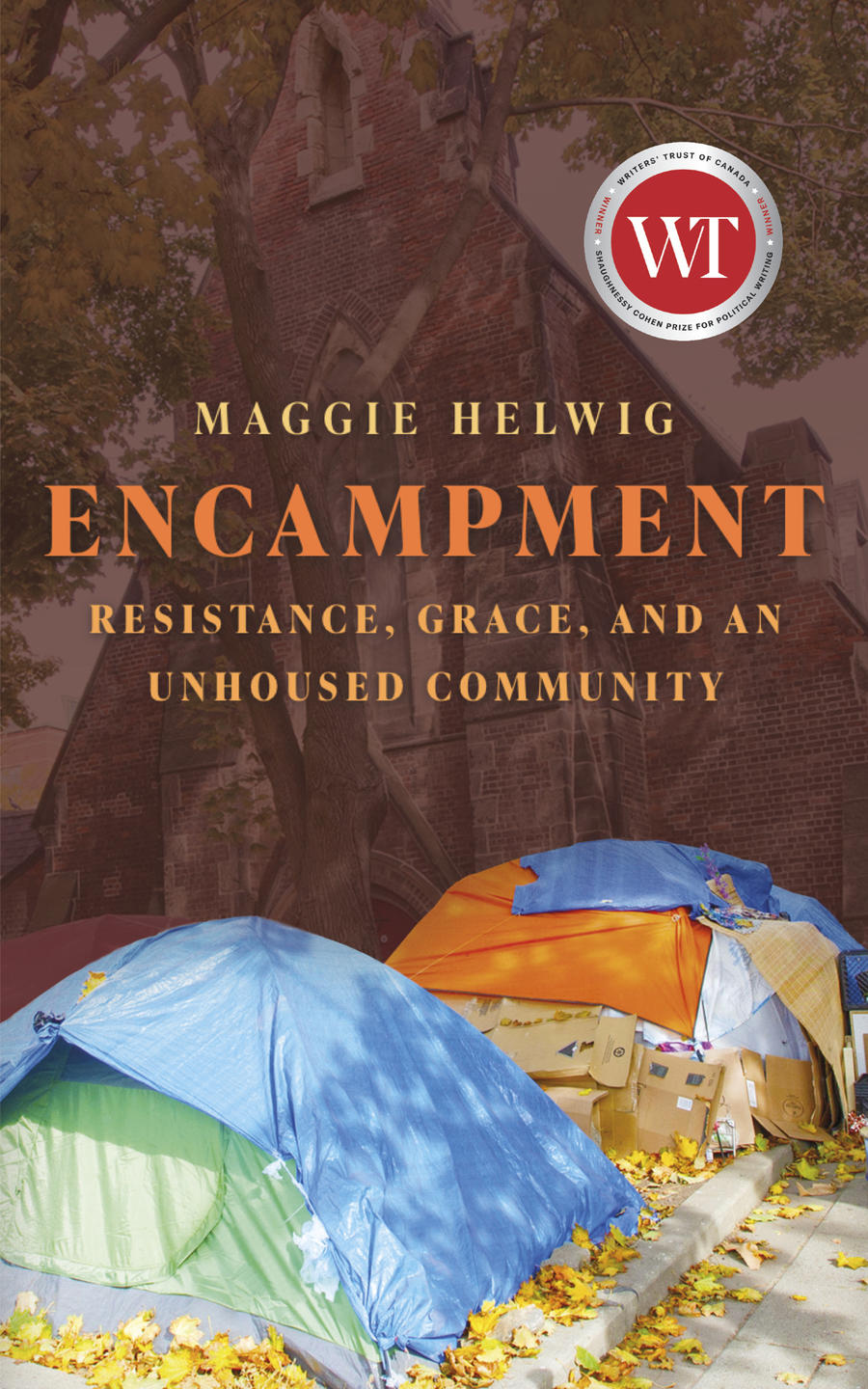
Published by Coach House Books.

*

*

*

do’s and don’ts, an ongoing list

♦

♦

Don’t fret about what you can’t do anything about.

Do what you can do in your own small space of self, community, your own three square feet. Consider your choices. DO what you can do. This is not nothing.

Stop scrolling. Just stop. Stop.

Breathe. Walk.

Read something made of paper. Listen to the sound of each page turning.

Think about what you just read.

Read a cook book and realize all the food in the world. Make some.

Find a window to look out of. Paint, write, sing, dance what you see. Send the painting to a friend.

Befriend a tree or a rock and if the weather allows, stick around a while, see if it befriends you back.

Find the sun, turn your face to it, eyes closed, heart open. Send it thanks. Not just on the solstice.

If you can breathe, walk, read, cook, write, sing, dance, paint, are near rocks and trees, if you are relatively healthy, safe, and comfortable, and if the sun occasionally shines, especially then, kiss the ground.

♦

♦

♦

Image courtesy of Wikicommons.

curbside everything (almost)

I am so in love with curbside living.

I get pineapple, bananas, avocado, clementines and various other exotics from Valles (including Covered Bridge chips from New Brunswick; the best); organic apples, potatoes and parsnips, sardines, juice, laundry detergent, dish soap, chick peas, goat yoghurt and a million other wonderful things (and mostly all Canadian brands) from Today’s Natural Solutions; Georgian Bay trout from Healthy Meats; locally grown (and preserved) peaches, homemade sauerkraut, butter tarts, apple cider (non alcohol’d), local greenhouse mesclun and cucumbers (we are SO lucky!!), onions, eggs, cheese, squash (I said butter tarts, right?) from Hy Hope Farm; excellent apple cider (alcohol’d) and homemade mustard from Slabtown Cider; more (Ontario and/or Quebec) cheese from Country Cheese; local frozen veg, pastry dough and potato scones from McMillan Orchards; books from Blue Heron Books and the Whitby Library; joy from my backyard labyrinth and the lake; pizza from Corrados; The Best eggplant parm and The Best parmesan cheese from Antonio’s…

I don’t necessarily do curbside with all of the above but most have that option and every one of them is small and delightful to shop in, careful about protocols, and the staff (in every case) is brilliant. And they are LOCAL.

This isn’t anything new to us, being long-time pooh-poohers of big stores. (Honestly, I can hardly think of one thing I need to go into a giant grocery store for that I can’t get from one of the above-named places, and that includes extraordinary olives.) And other than tropical fruit (and only in winter) we don’t buy out of season, but these days I have an even greater interest in spending my dollars in ONLY small, local, independently owned shops and curbside is just the cherry on top. Like having a personal shopper.

Cannot imagine the hardship so many small businesses have faced this past year. Here’s hoping there’s a groundswell of support that continues down the road.

So grateful to each of my go-to’s for sustenance and nourishment.

Including the lake.

And my labyrinth.

Nourishment comes in many forms.

apropos of nothing

♦

Well, not entirely accurate. Not entirely nothing.

There was a conversation recently wherein reference was made to the job of waiting tables as low-end work. The implication filled with judgement and pity for the poor saps who have to shlep bowls of soup for money.

I disagree with the idea that waiting tables is a low end job.

Hard work for low pay, yes, but not low end.

If ensuring the comfort and happiness of someone’s breakfast, lunch or dinner is seen as menial work then we really do have our values twisted.

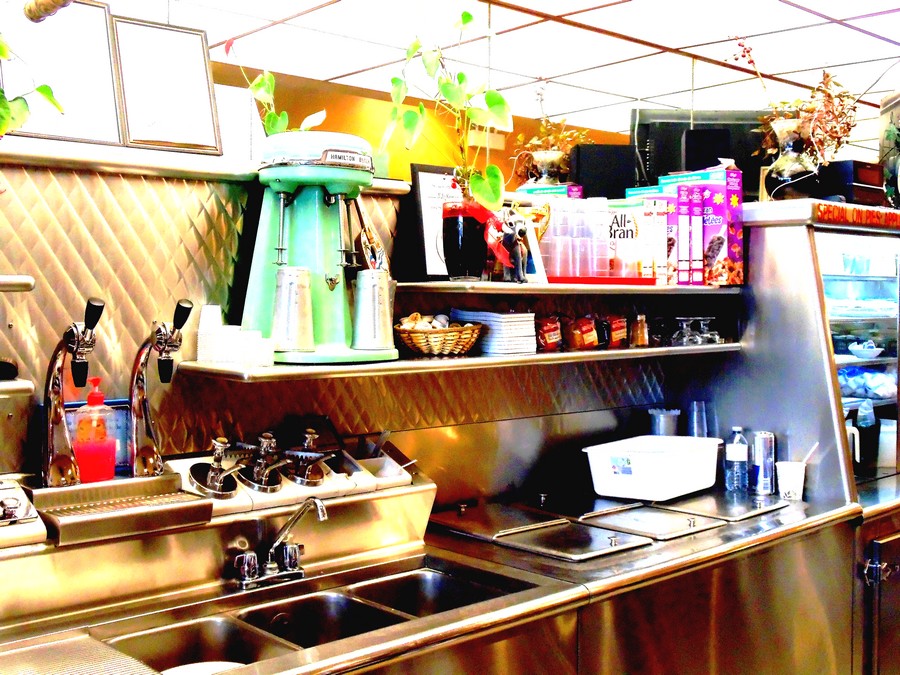
There are real stars out there, servers who bring a sliver of joy to strangers in a true and authentic way. One of them works at a diner in town, has been there for decades, calls everyone hon, or love, in a way that you don’t mind.  She is one of the reasons the place is full of regulars (when places were full) (also the toast is excellent). And you can tell that she’s not putting it on for tips, that the people are a big reason she loves her job. When you ask for peanut butter she brings it over like it’s the most important thing in the world. She’s constantly moving, talking, being asked, answering, carrying, ordering, changing orders, shlepping.

Is it hard work? Sure looks like it.

Is it rewarding? As with everything, depends how you do it.

There are certain establishments, towns, cities, certainly countries other than ours where waiting tables is held in higher regard, a profession not merely a job that, when done well, is a respectable, and well respected, way to make a living for an entire lifetime.

Along the same lines, someone was saying how food delivery people are also looked down upon, barely spoken to, if at all, especially now that so much take-out is pre-paid. Which reminded me of the pizza guy a couple years ago who came to the door and we casually said how ya doing, and without missing a beat, and with tongue perfectly in his cheek, he said… I’m livin’ the dream.

We cracked up.

He smiled, said have a good one.

That’s star quality.

♦

♦


one exquisite thing, #gratitude


“I get so much comfort in thinking of our long friendship, and how it has grown so much stronger through the years, binding us together. If I didn’t have those things at the bottom of my heart I wouldn’t get as much out of blue seas or sunny lands.”

— Willa Cather, (Letters)


♥

jane’s walk — ajax, ontario — best parts


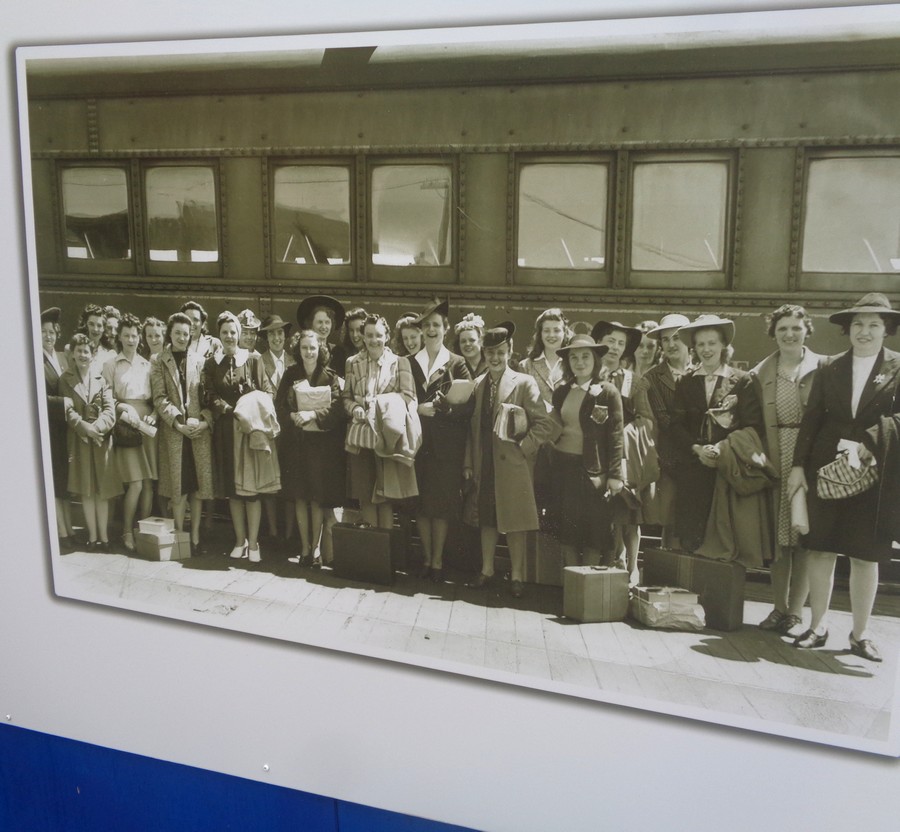
This year my Jane’s Walk was through a slice of Ajax , which wasn’t even established as a town until 1941, and then only by accident when a company set up shop in what was a field to make bombs for WWII. They made millions apparently… (40 million). And it was women from across Canada who made them. They arrived on trains from the west and the east and lived in dormitories built expressly for them (surrounded by 8′ walls and barbed wire).

Before that, Ajax was an unnamed area of fields, a scattering of farms, part of Pickering Township, east of Pickering Village, and west of the Town of Whitby. Then suddenly there are 9,000 people employed by Defence Industries Limited, all of them making bombs, and a wee town emerged.

After the war, Canada Mortgage and Housing Corporation built homes for returning soldiers. Our Jane’s Walk guide said they were meant to be torn down at one point but the residents put up such a fuss they were allowed to stay and are still the backbone of Ajax, lining the streets surrounding Harwood Avenue. (A few people on the tour grew up in, or knew people who still live in, those CMHC houses, and shared memories including how there weren’t a lot of cars initially and so the A&P would allow you to drop off a list of what you needed and they’d deliver.)

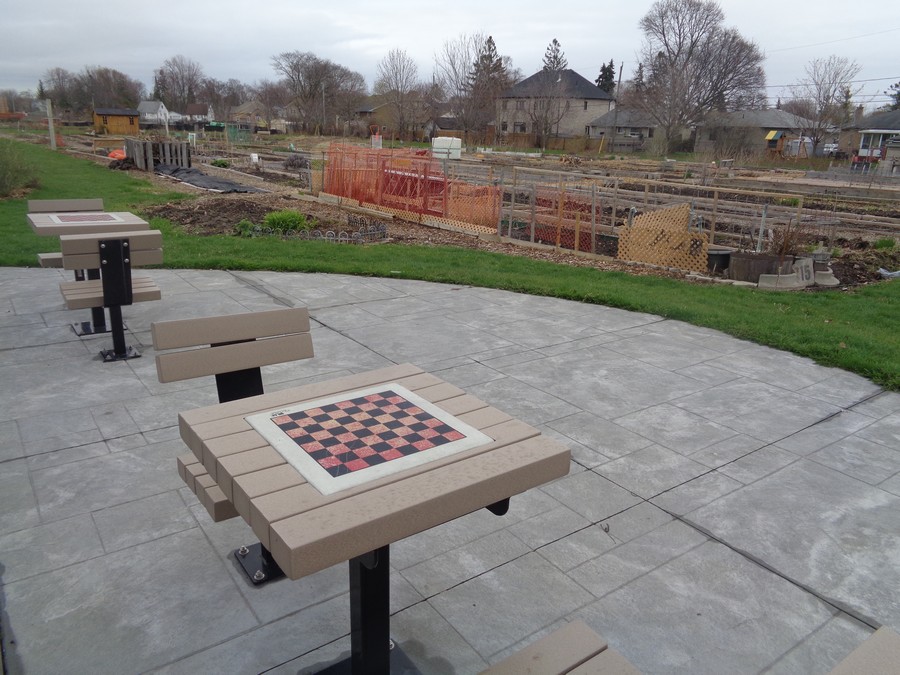
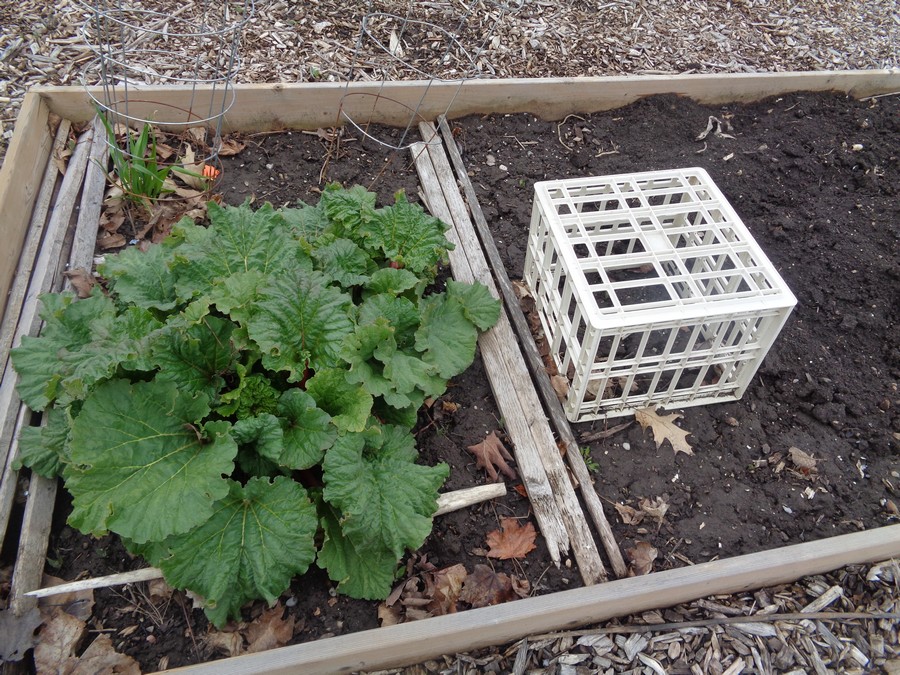
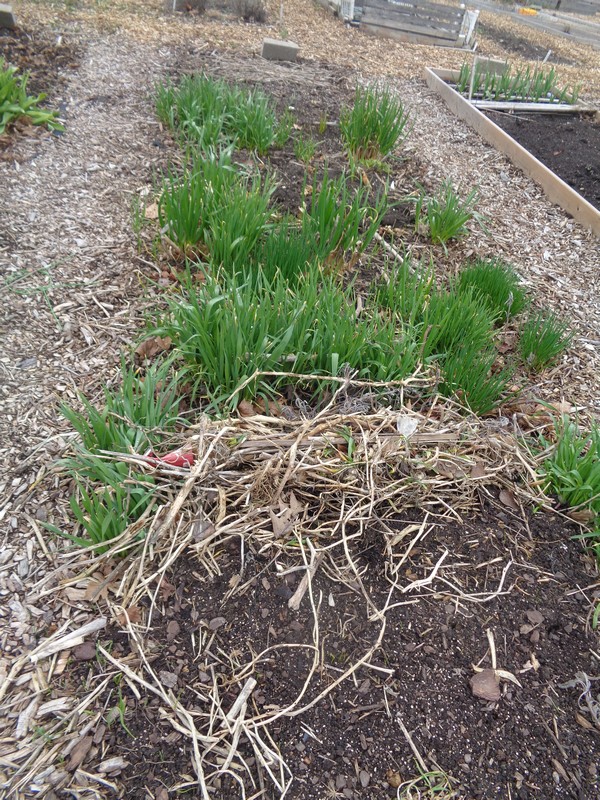
The best part is that in the centre of this beloved neighbourhood, where people still refer to houses by who lived in them decades ago, and in the very space where the women’s dormitories used to be, is now a park and community garden. Beans and tomatoes instead of bombs.


And a short walk away, the civic centre (Pat Bayly Square) features a memorial to the significant contribution by women to the war efforts of WWII.

The other best part is simply discovering a new neighbourhood in a town I very often drive past, assuming it can be summed up by a quick glance… because nowhere can be summed up that way. Everywhere has its stories, its nooks and crannies and spaces only the locals know about.

Importance of community is the best part of Jane Jacob’s philosophy, and the sense of connection to a place you thought you knew or a brand new place is the best part of any Jane’s Walk program. Keeping that in mind makes it possible to make all kinds of discoveries on your own anytime, anywhere.

Just throw a dart on a map and take a walk, reminding yourself that community takes many forms and is born in strange and wonderful ways.