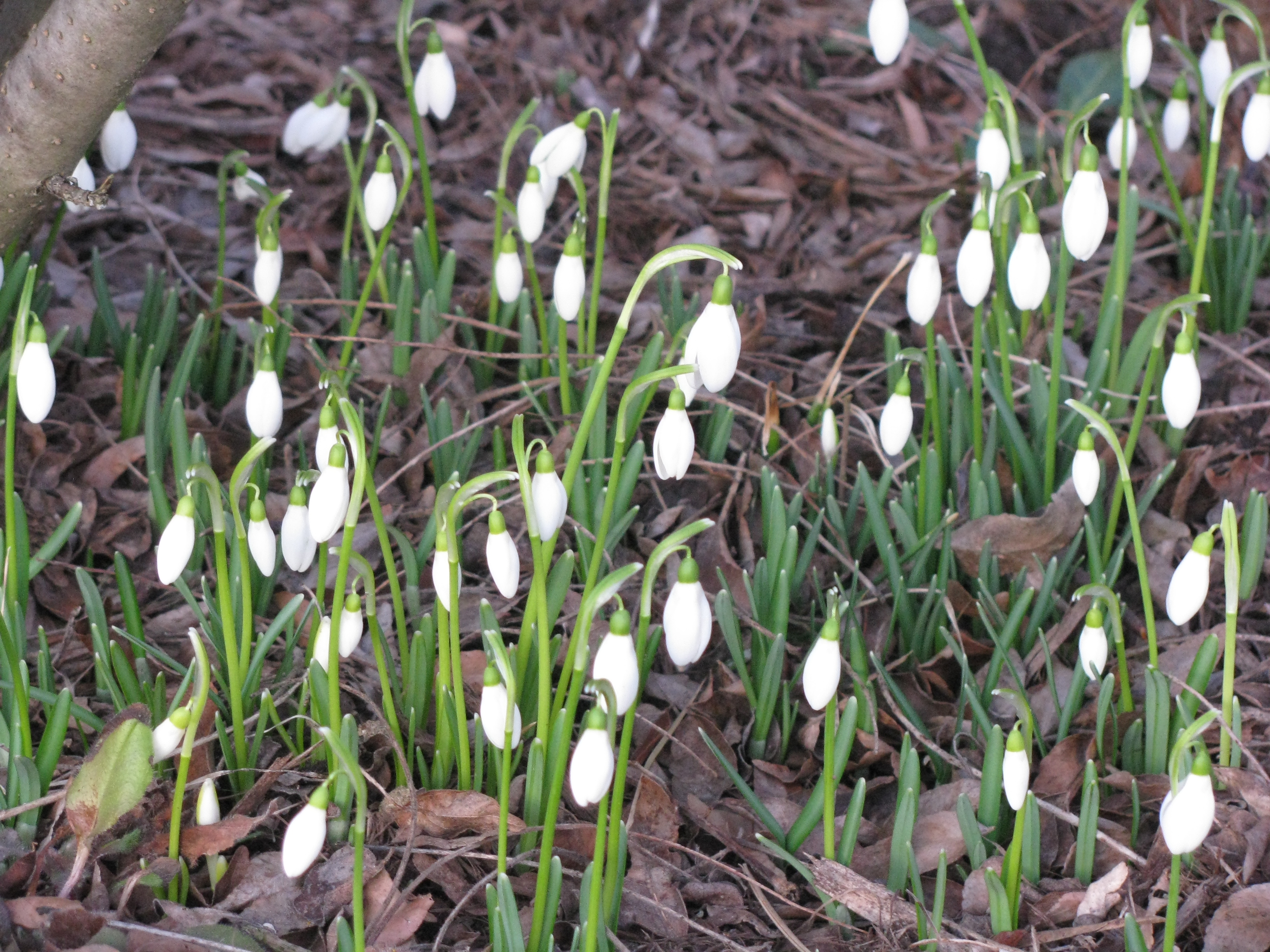
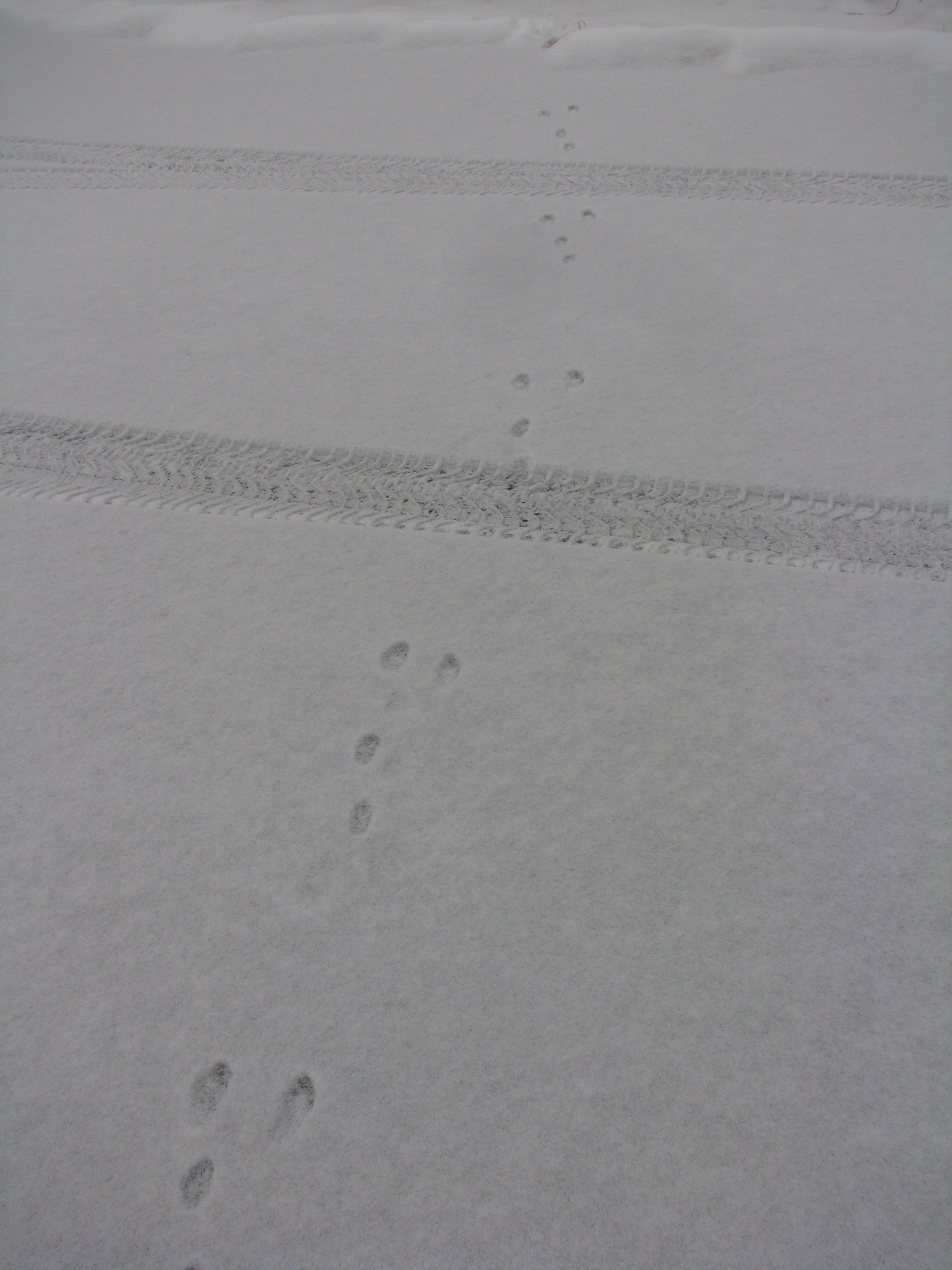
snow drops

Of course it can still snow. I know that. But for now it isn’t. For now it’s going to be 17 glorious degrees and I’m already planning how I’ll play hookey. (I wonder what the regional expressions for that are? Something like “jigging” in the Maritimes, I think…)

For now it’s about happy dogs named Rex and Dexter that I met in the park—ecstatic about not having salt biting their feet, and to be out of those goofy faux sheepskin coats (I know the feeling). And a young girl with red hair, white skin and a pink smile, sitting beside her dad in a car with all the windows down and her hands at ten to two on the wheel.

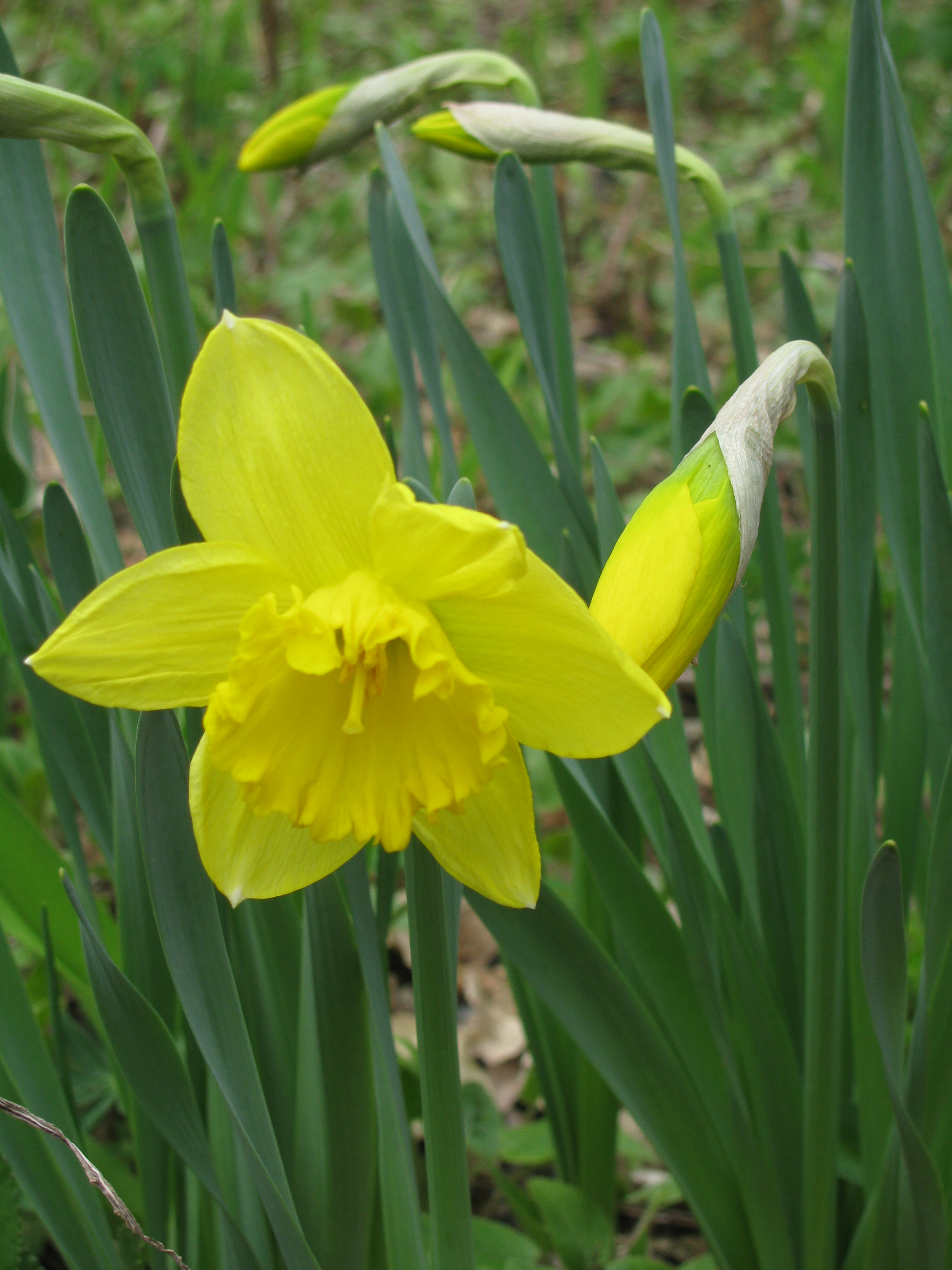
It’s about walking around your backyard or down the street and suddenly finding green things coming up out of just-last-week-hard-as-cement-earth—a tiny miracle, that. And every year I wonder how I missed the moment when the world turned from frozen dead to small perfect blossoms and tender shoots.

It’s all just a little giddy-making… like anything is suddenly possible.

(Including snow. I know. But not today.)

good morning!

According to my Canadian Wildlife Federation calendar, today is the day the male grizzlies begin to emerge from their dens”.

.

A few things (possibly) worth knowing if you’re planning a walk:

Grizzlies have longer claws than black bears. This is most noticeable on the front feet where grizzly claws can reach 10 cm in length. [I’m pretty sure any claws on any bear would appear long to me. And if I were close enough to see them that clearly I’m pretty sure I wouldn’t know my own name, much less what a cm is…]

Grizzlies do not have a white chest patch; many black bears do. [I find this very interesting, but I don’t want to see the chest; that means the bear is on its hind legs; that can’t be good.]

Grizzlies stand up on their hind feet, not to attack, but to get a better view while they test the air and try to identify you. [Gee thanks. I feel so much better now…]

Happy hiking.

And be careful out there.

tell me again who’s smarter?


As I wait to speak to the clerk at the hardware store about wood filler, I listen in on a conversation he’s having with the chap ahead of me about ants and I remember the winter we had our own infestation.

They came in from a crack near the fireplace and mostly just wandered around the family room, watched some TV with us; it wasn’t a problem until we went away for a few days and the guy that took care of our cats left their food out all day. Suddenly the ants knew where the kitchen was. I wasn’t as blasé about this because—despite my fondness for all creatures and the belief we’ve got to share the planet and it’s not just ours ours ours—it really is quite disgusting to see dozens of ants crawling over some little tidbit on the floor.

Then it occurred to me that it’s equally disgusting to have tidbits on the floor.

I was blaming (and, to be completely honest, squashing) ants for the crime of eating the buffet I’d more or less put out for them. They must have wondered about me. In their world one is encouraged to consume debris, turn it into compost. Imagine their surprise at being attacked while performing the most natural of acts.

I suppose they might have put my actions down to something sensible like a madness brought about by hunger; maybe they even forgave me.

What I’m pretty sure of is that the truth never occurred to them—that humans are simply messy and lazy and don’t vacuum regularly, and that we expect ants to be broad-minded and flexible enough to change their DNA to include an innate understanding that once we erect walls, secure doors and shut windows, the message is: Keep Out.

I want to tell the chap ahead of me that cinnamon sprinkled near the entry point will stop them but it’s too late. The conversation has turned to mice.

____________________________

“These new ants have got into his brain, and he has come back to England
with the idea, as he says, of “exciting people” about them “before it is
too late.” He says they threaten British Guiana, which cannot be much over
a trifle of a thousand miles from their present sphere of activity, and
that the Colonial Office ought to get to work upon them at once. He
declaims with great passion: “These are intelligent ants. Just think what
that means!”

(From—The Empire of the Ants, by HG Wells)

if it’s not one thing…

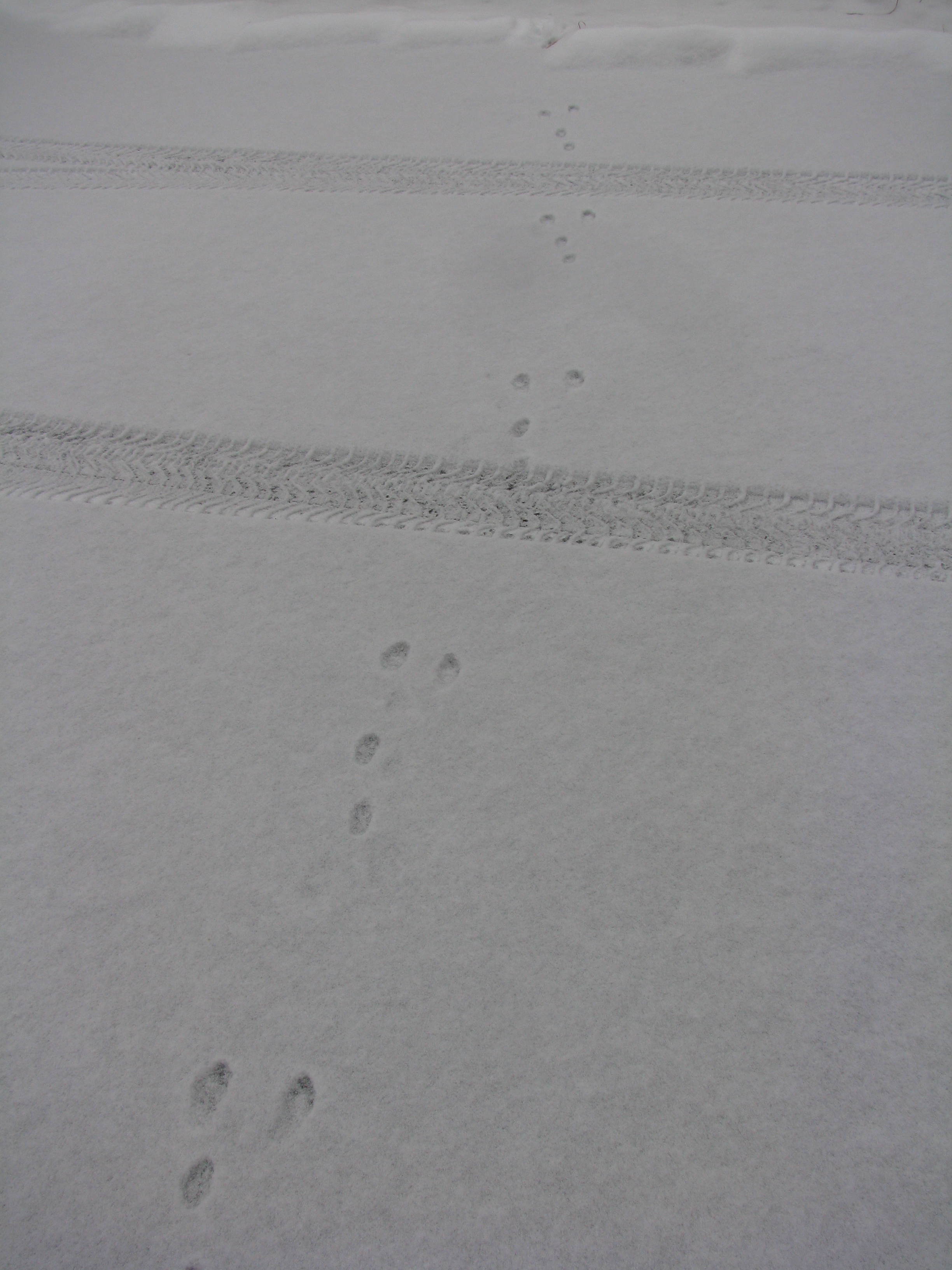
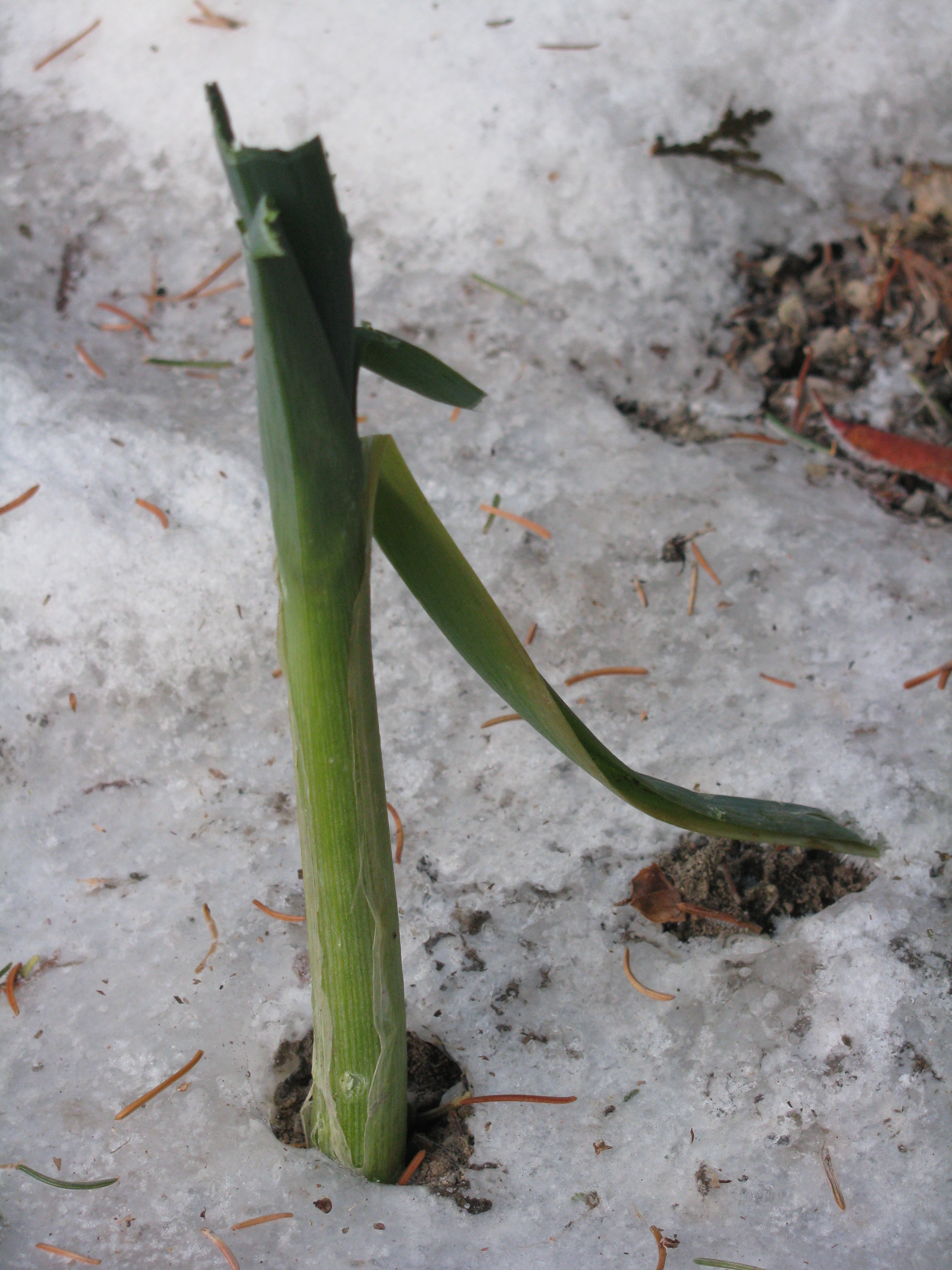
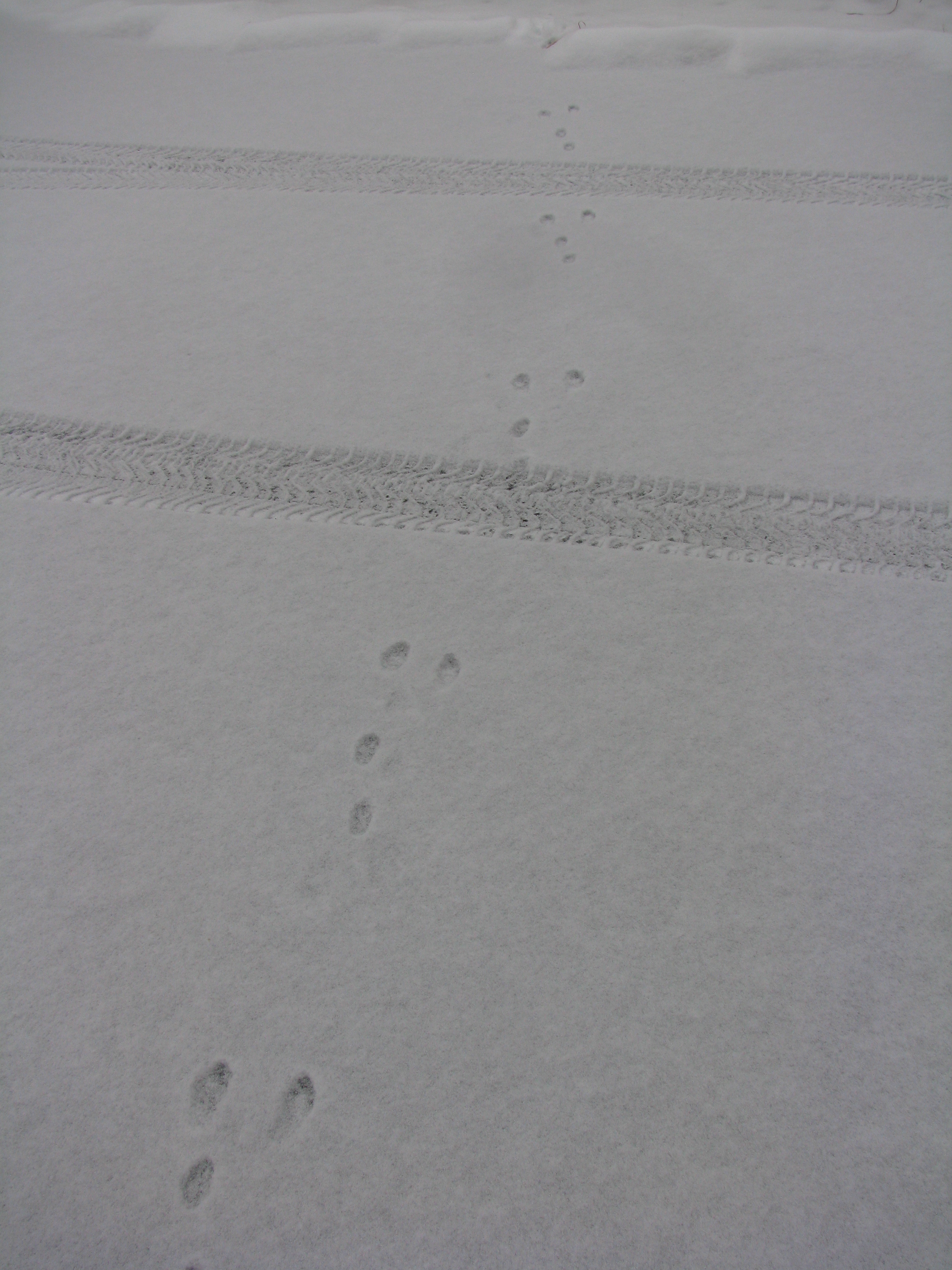
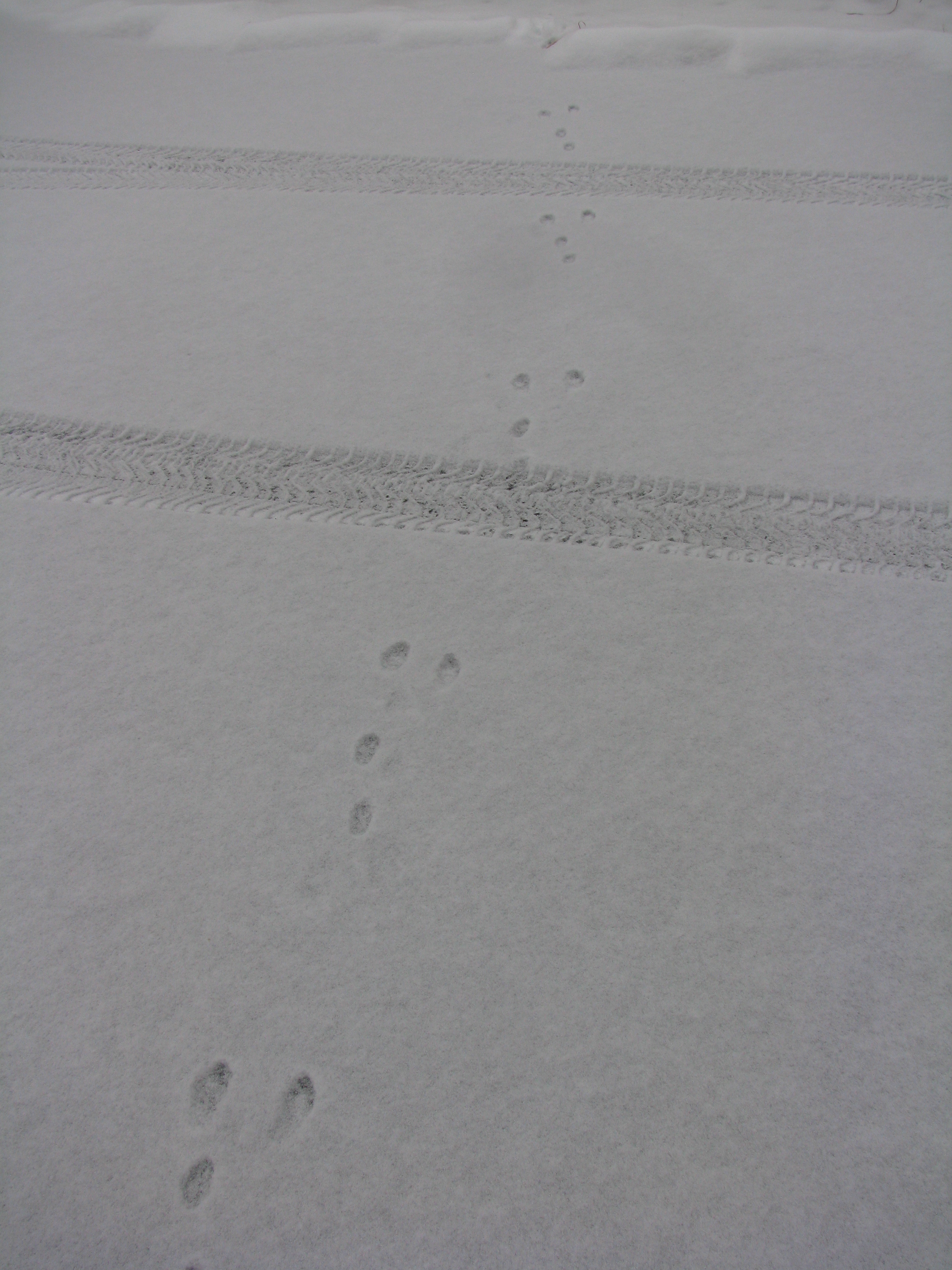
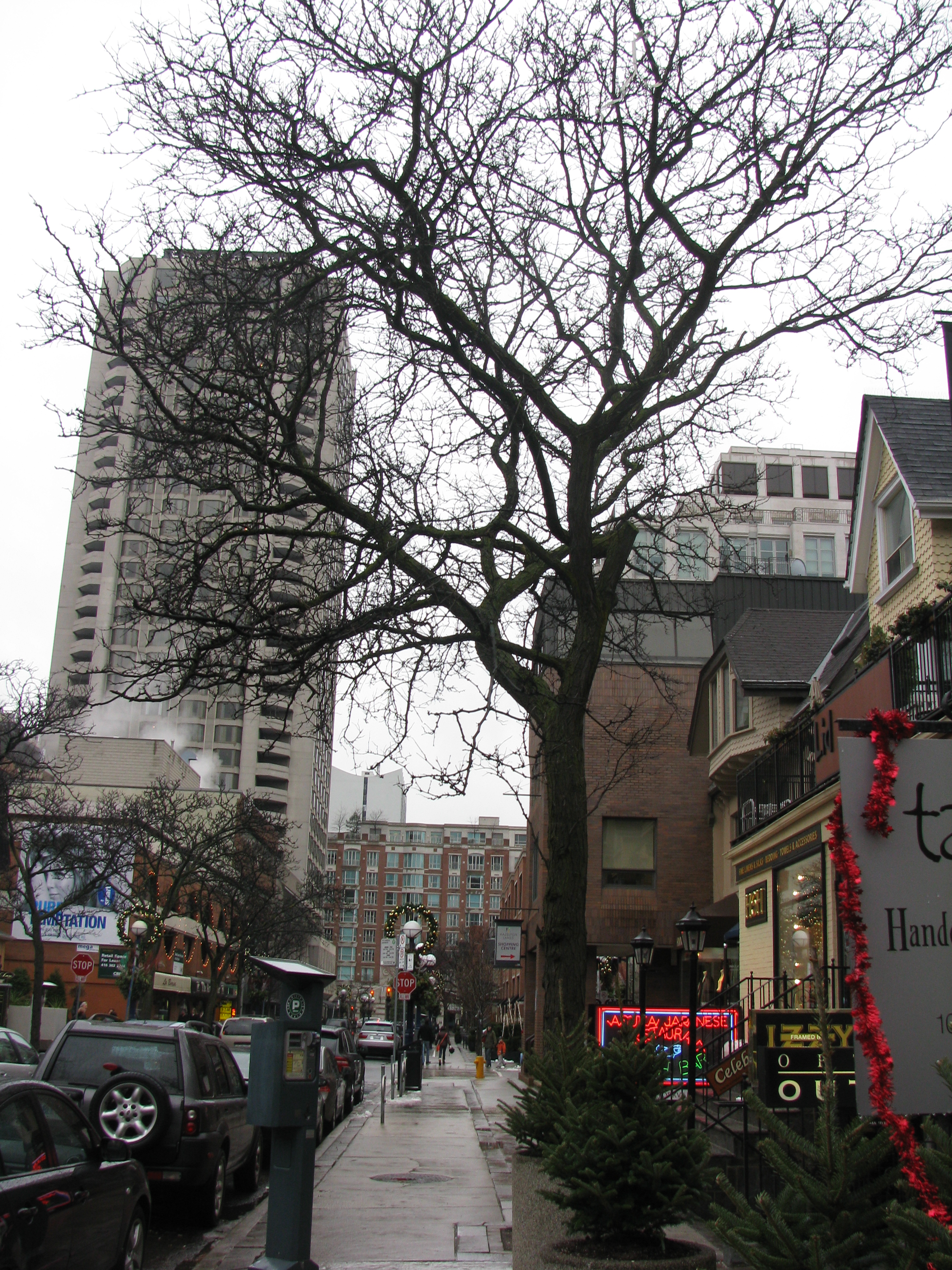
The good news is the leeks I didn’t dig up before the freeze have turned out to be just what our resident garden rabbit was looking for.

Strolling about the estate yesterday morning I was thrilled to find almost all of them ‘topped’. As soon as the ground warms up a bit (today??) I’ll dig out the roots and make soup as promised.

So there I was feeling all warm and happy about how nature has this brilliant way of not calling anything a mistake—

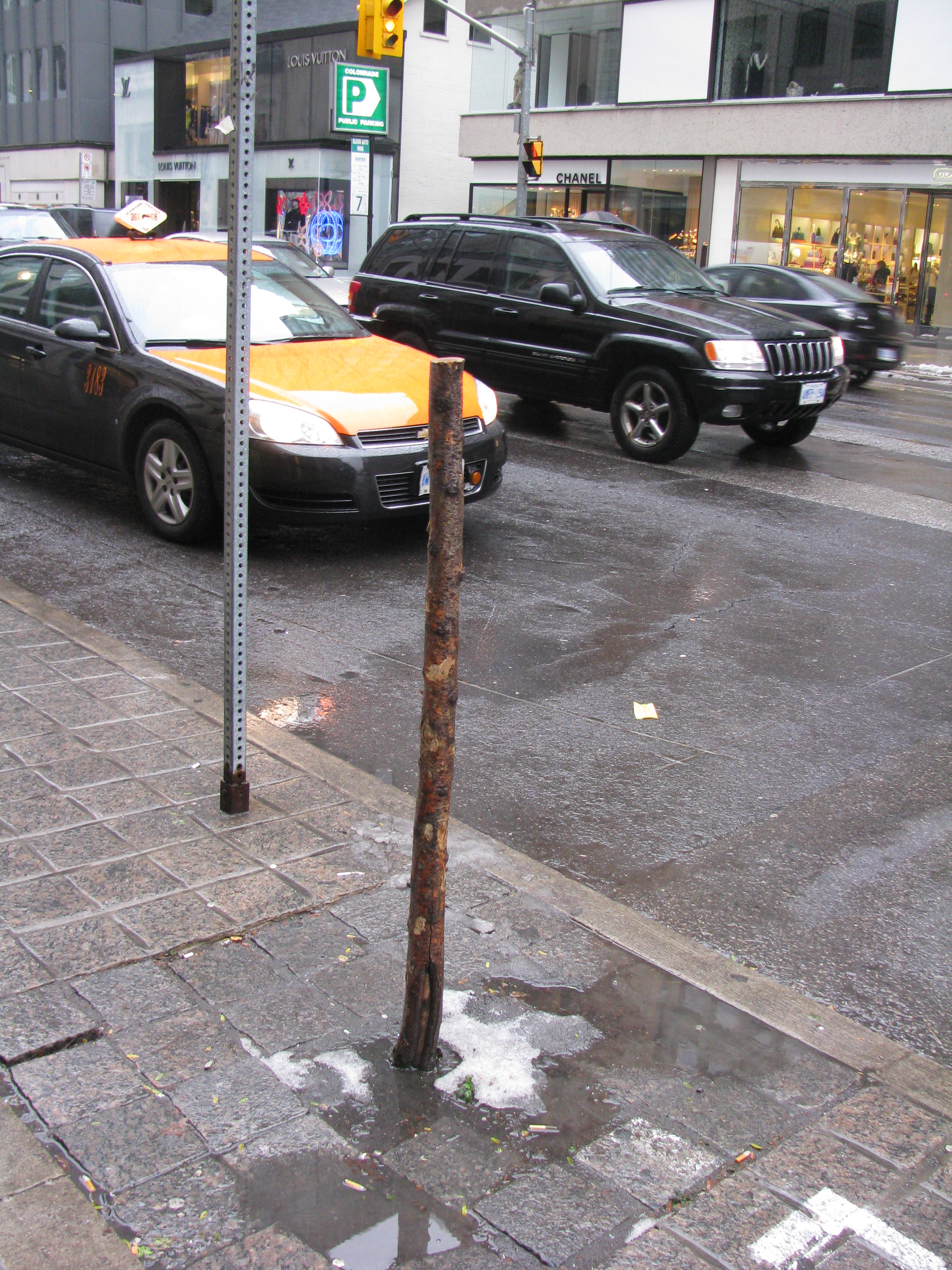
—and then I went into Toronto and found that ALL the trees, on both sides of  Bloor between (at least Avenue Road and Bay) were being cut down.

They were just young trees with trunks maybe four, five inches in diameter.

I asked one of the guys doing the cutting: Why? and was told that it’s not natural for trees to grow in an urban setting and they were going to die and it was cheaper to replace them than keep them healthy. 

Yeah, well, whoever made that brainwave decision will presumabley also die one day. I wonder if it’s occurred to him/her  that it may well be cheaper to replace him/her than keep him/her healthy…

But that’s not really the answer, is it?

Furthermore, I wondered: every tree between Avenue Road and Bay was in imminent danger of death?? 

Odd.

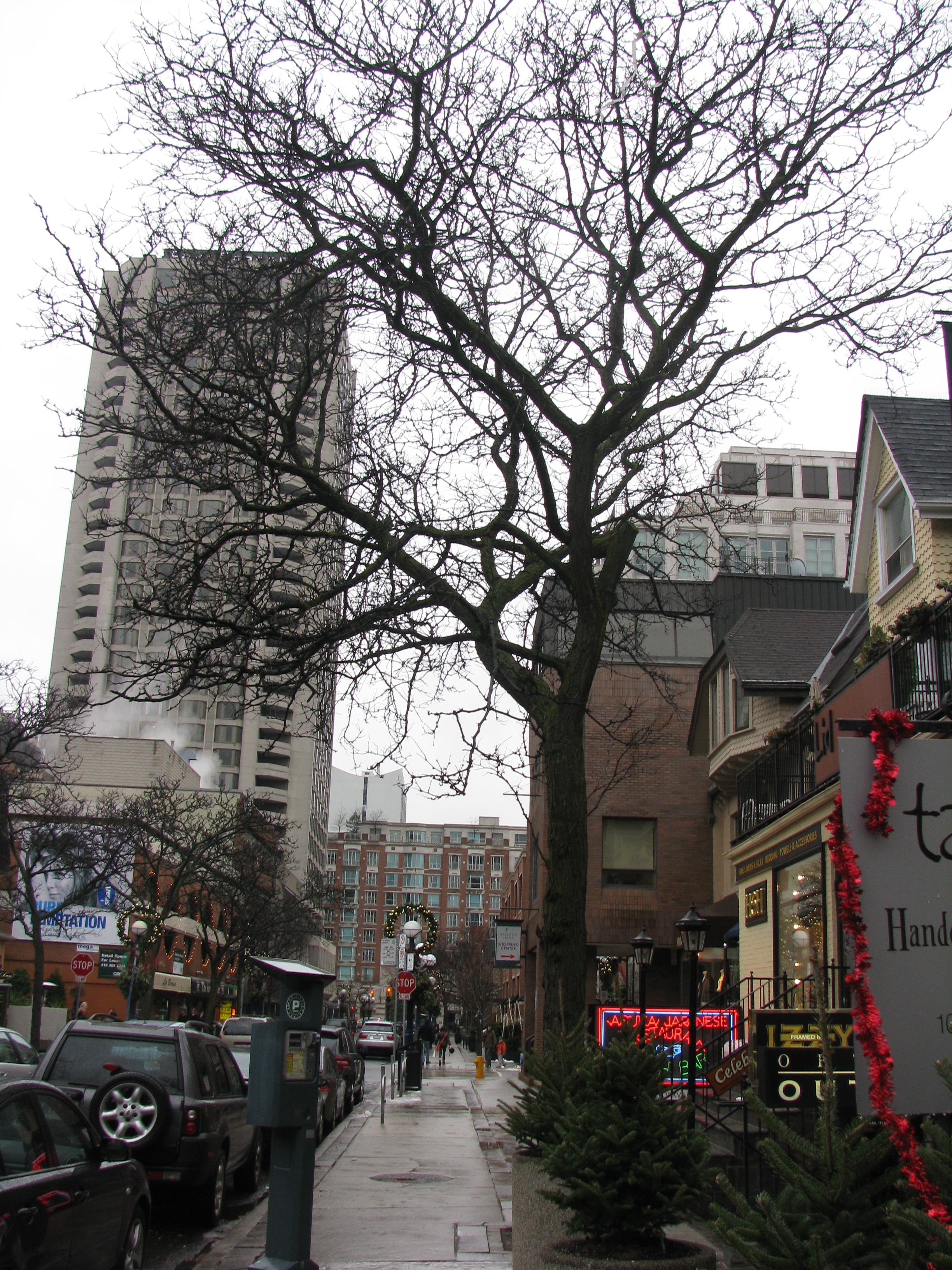
Over in Yorkville I noticed that none of the trees are being cut down. In fact they’re decked out with lights.  In fact… they’re big and beautiful and happy, thriving in their ‘unnatural’ urban setting.
Something’s not right here. Trees can live in an urban environment. They do live in urban environments. So why—really—were the trees on Bloor cut down? The guy said they hadn’t been planted deeply enough in the first place. Egad. Does anyone do any research? Any planning? There are books to read for pity’s sake…

I’m thinking an intervention may be necessary, that I should send a letter before a decision is made to spend more money planting new trees that will only have to be cut down. I could begin with something like this: Dear Him/Her, Whatever was done in Yorkville seemed to work; make a note. Additionally, you might ask family and friends to give you books on the subject of trees this holiday season. In fact, you might even have a gander at one or two of them; if the words don’t interest you, at least look at the pictures…

Reflecting the belief that urban life requires an ‘escape’, city parks have long been designed in imitation of pastoral surroundings. Henry F. Arnold challenges this tired romantic style that disregards the urban environment—and shows how trees can be used to enhance urban elements rather than hide them. He encourages landscape architects and city planners to utilize trees, not as decoration, but as living building materials to create and reinforce urban spaces.” (From: Trees in Urban Design, Second Edition, By Henry F. Arnold)

good intentions and sweet reality

I know, I know… mea culpa. The leeks didn’t get dug up before the snow fell and turned to ice, freezing them in situ (why am I speaking Latin?).

This morning as I walked past I swore I heard their cold, muffled cries: you little shit, you promised you’d get us out of here before this happened!! We were SUPPOSED to be be soup! 

Okay, maybe I didn’t hear anything. But you should have seen their angry little faces…

I took a deep breath, kept walking, and assuaged my guilt with a pot of tea made from a few leaves of sweet (unaccusing) woodruff I found poking through the ice.

any excuse for il giardino…

Snow’s falling today. Just yesterday I was still wearing sandals. Tomorrow I’ll pick the rest of the celery, dig out the leeks. By the end of the week things could well be frozen and white.

Used to be that was it; I’d hardly go past the patio from December to March, except to feed the birds, maybe make a snow angel. But then, a couple of years ago, I saw Karen Shenfeld’s film about the men and women of Toronto’s Little Italy and their amazing gardens.

There’s the guy who rigged up a clothesline of empty pop cans so he can sit on his patio in his undershirt and enjoy the view of his vegetables growing, occasionally yanking a string that rattles the cans and keeps the birds away all afternoon. Another who uses a handmade hoe and shovel, tools his father brought to Canada more than forty years ago.

The film is filled with music and food and front yards that are planted with tomatoes and zucchini and eggplant; they’re not beautiful in the mown and blown, pesticided, clipped and landscaped way, thank god, but in all the right ways.

These people don’t  ‘have gardens’, they have relationships with their gardens—healthy, head over heels, madly in love with life relationships.

My favourite was the guy who didn’t let even winter stop him spending time in his beloved “il giardino”—every day he’d go out and chip away at a little of the ice that covered it. (He’s the reason I’m not that sad it’s time to dig out the last of the leeks, store the patio umbrella and put on my socks—I’ve got a pile of cedar branches to tie into kindling bundles—one bundle a day, starting in January…)