
♦
Other (not always) wordless friends:
Cheryl Andrews
Allison Howard
Barbara Lambert
Allyson Latta
Elizabeth Yeoman
♦
Other (not always) wordless friends:
Cheryl Andrews
Allison Howard
Barbara Lambert
Allyson Latta
Elizabeth Yeoman
It’s hot.
There’s much lunacy about.
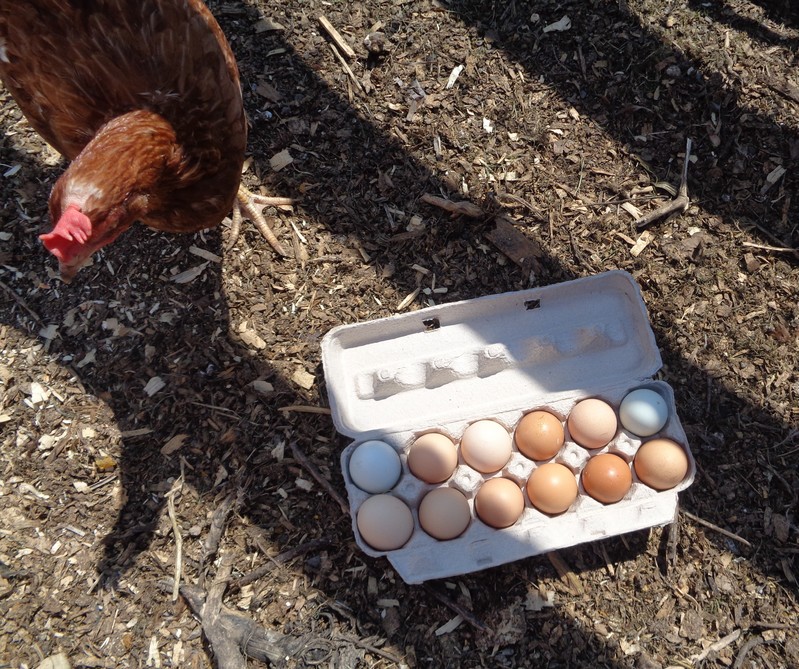
I’m convinced animals are smarter than we are.
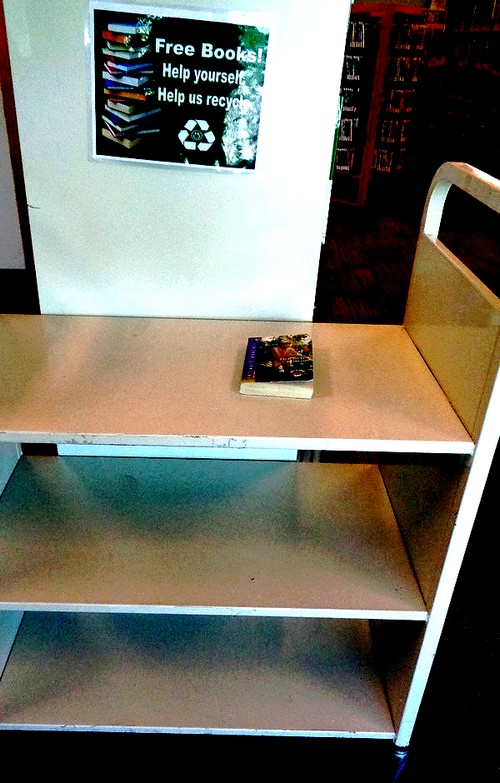
Here’s a cool green view from a red light earlier today.
 Find something with *ice and hang on to any slice of sanity you can find.
♦
Other (not always) wordless friends:
Cheryl Andrews
Allison Howard
Barbara Lambert
Allyson Latta
Elizabeth Yeoman
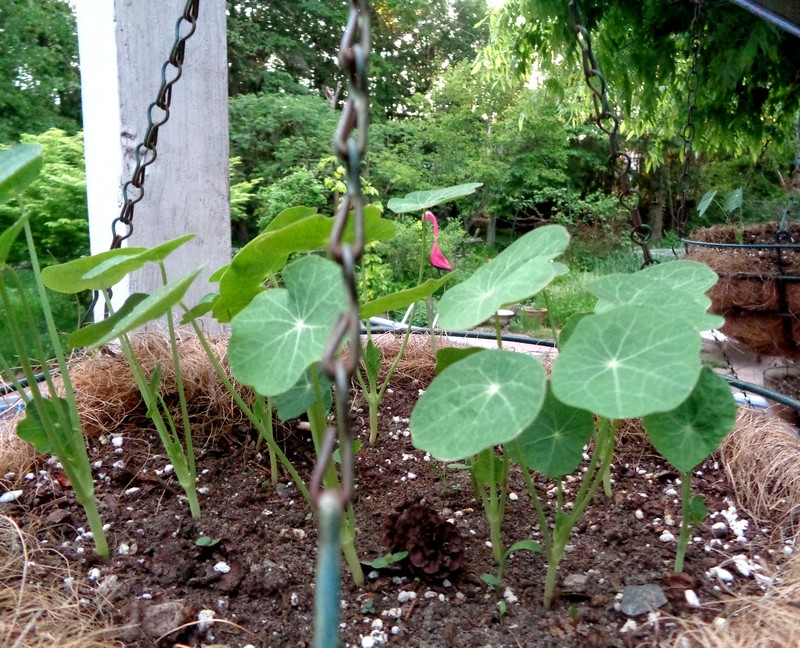
My dad used to say

that

the best

time

of year

in the garden
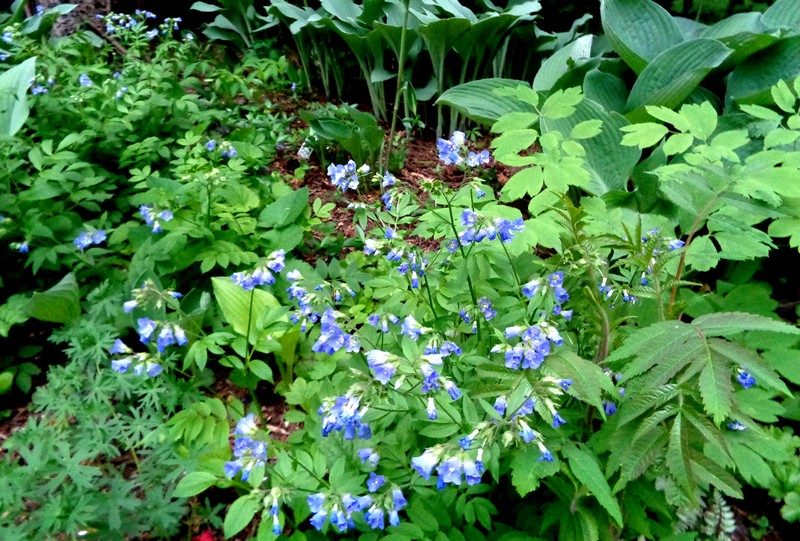
when
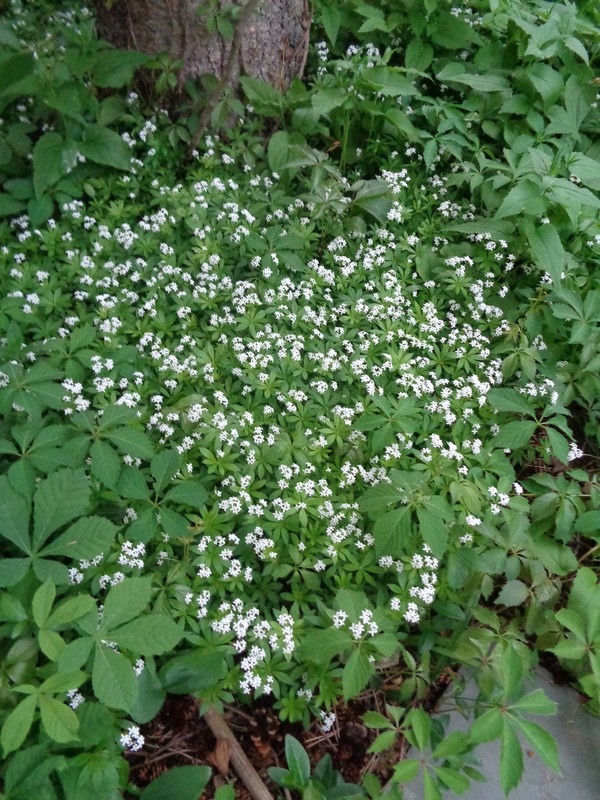
nothing much

is out yet
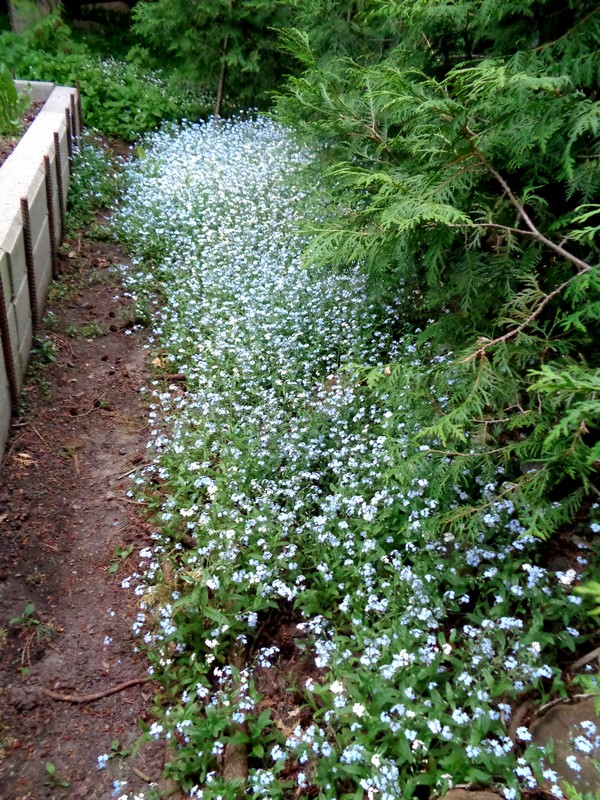
and so

you can see
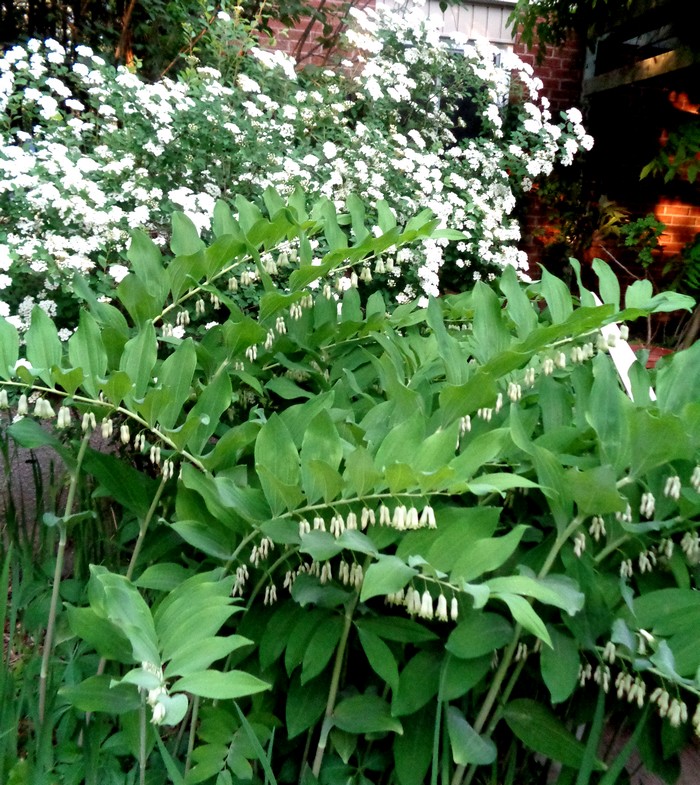
every bit

of the

nothing much.
♦
Other (not always) wordless friends:
Cheryl Andrews
Allison Howard
Barbara Lambert
Allyson Latta
Elizabeth Yeoman
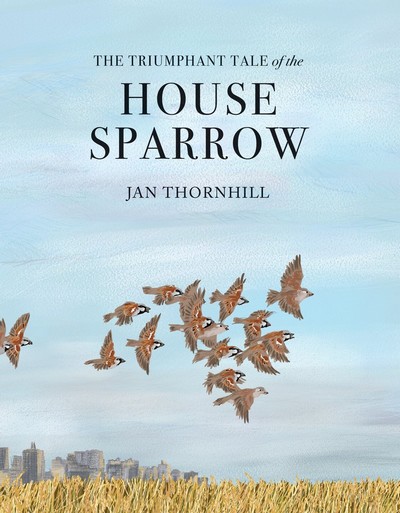
I was surprised and delighted by the adulty appeal of Jan Thornhilll’s The Triumphant Tale of the House Sparrow … technically a picture book (with wonderful illustrations) but the kind that bears reading by all ages for a sort of Coles Notes (do they still exist?) version of a subject that can then be pursued in longer form if you need/want more info. Though, honestly, there’s plenty here, enough that after reading it will surely be impossible to look at this bird quite the same way.
♦
Given the title, and the opening sentence…
“Behold the most despised bird in human history.”
… we can (rightly) assume there will be some adventurous backstory to follow, i.e. how did it get from Most Despised to Triumphant?
 Also, and not that I think about sparrows a lot, but I didn’t know they were so universally (and for thousands of years) disliked. I assumed some people just didn’t like them in the way some people don’t like clowns. (Which is completely understandable.)
But no. It’s much bigger than that and, most interesting of all, their dislikeability has a lot to do with us, with our lifestyle. Because what we know for sure is they love to hang around us, like those friends who think we’re all having such a good time that they forget to go home.
This wasn’t always the case.
What happened was, we invented agriculture.
We began growing fields of grain and the sparrow, a bird that used to migrate in search of food, suddenly didn’t need to leave town so it stayed and ate that nicely planted all you can eat buffet. It came into cities and towns too, because we had horses that were fed buckets of grain. And it hung around our houses because of crumbs from tablecloths shaken out the back door, and several other surprising sources. Long story short, it became a house sparrow.
And we got cranky.
In Egypt the sparrow surplus was handled by using them as pet food. (Often found in the mummified stomachs of beloved animals.)
In Germany there was a sparrow bounty, a required number of heads had to be handed in or fines were imposed.
In China people were encouraged to bang pots twenty four hours a day in grain fields to stop the birds from landing, which worked exceptionally well… so well in fact that zillions of birds fell from the sky, exhausted and dead, and the crops died from an infestation of bugs that would have normally been eaten by the sparrows.
In cities they were noisy and just plain bothersome. In one incident, a single sparrow found its way into a large hall where a Guiness-records-sized domino display had been set up with millions of dominos… the sparrow landed and over 20,000 toppled over before they could stop the domino effect. But the bird was still in the building and naturally they worried about the other ten trillion dominos so they hired a professional hunter to come and shoot the bird, which is now stuffed in a museum. (The bird not the hunter.)
In a way, the sparrow’s biggest crime is its adaptability and how its population tends to increase along with our own. (Though we seem not to complain the same way about people numbers.)
However, mysteriously, and for some very many years now, sparrow numbers have been in decline. The Netherlands, for one, has declared them a protected species and, as Jan Thornhill points out, this might well beg some attention:
“Because the House Sparrow normally lives its whole life in a very small area, it can be a living indicator of pollutants in that place. To scientists, it is just like a canary in a coal mine — except that coal mine is our urban environment. Since the House Sparrow lives where we live, wouldn’t it be smart to figure out why it’s disappearing? What if the culprit is something that is as unhealthy for humans as it is for the House Sparrow?”
I think this book, generally, deserves all kinds of attention, not only as it relates to house sparrows, but what it represents in how we so often look at nature, what’s taken for granted, the problems we ourselves have created and now blame on the natural world, much of which is merely doing its best to tolerate us.
♦
The picture book format works well because the amount of text is just right for that Coles Notes gleaning. Any less wouldn’t do the subject justice. But it’s also too much for a picture-book age child to absorb on their own, so it becomes ideal as a read-aloud-and-discuss. Followed, of course, by a sparrow finding expedition, photographs, drawings, and chirping!
So much to love here.
Also, would be brilliant in schools. (Do they still do nature as a subject?)
♦
Purchased at Books Galore, in Port Perry.
Support indies!!

♦
Other (not always) wordless friends:
Cheryl Andrews
Allison Howard
Barbara Lambert
Allyson Latta
Elizabeth Yeoman
I read Karen Hofmann’s What is Going to Happen Next while in Ottawa, where, when I wasn’t reading or eating I was at the National Gallery…..  stickers from which I stuck onto the back of the book so the two are forever connected now.
I loved this book about a family that falls apart and the siblings who find each other, whole or in fragments, many years later. Hofmann’s writing is gorgeous, her characters are so real, so well-developed, the story so engaging that I would rush back from the gallery each day just to see what they were up to.
~~~
 Next Year for Sure , by Zoey Leigh Peterson, came to me from the library initially because it was there and it was easy and because this is often my way, to test run a book and then buy it only if I fall in love. (fyi, not only do I now have my own copy, I’ve given the book as a gift or recommended it to so many people.)
More than a great story, it’s a way of thinking about our relationships, intimate ones especially… how are these things defined and by whom and must it be the same for everyone?
The conversations, the honesty of feelings that span all kinds of spectrums, the wide open qualities that characters possess, lifestyle possibility, curiosity, generally, as well as ever shifting perspectives… all of if making every minute of reading such a joy (have read it twice now)… ‘joy’ as in hanging out with these people just to see what ideas we’d be tossing around today. Such excellent company. A rare thing to find this level of emotional authenticity.
In a nutshell… a wonderfully imagined, beautifully written story of how friendship endures, though relationships may change, all of it wrapped in the insecurity we feel despite what we know to be true.
~~~
I bought A Pillow Book on someone’s recommendation and then let it sit on my TBR shelf for a couple of years. I liked the cover, and the slim size  appealed to me and I was often tempted to open it but for some reason (even though I’d read reviews) I had the idea it was about pillows in a way that I couldn’t muster up enthusiasm for. And then one day I just opened it and began reading about pillow history and pillow trivia, which immediately felt less like history and trivia and more like the memoir it actually is, propelled by tiny truths that are simply triggered by pillows in some form or other.
Sprinkled throughout are really quite wonderful lists of unusual things, the sort of lists you might recite in your head on a sleepless night (if you were extremely creative). From one called ‘Altered Proverbs’… When in Rome, stay at the Ritz, or To forgive is human, to forget divine.
Another nice touch are references to the original Pillow Book which was written in the year 1002, as observations in poetic, prose and other forms, by Sei Shōnagon. It’s this book, and its intentions in a way, that Buffam pays tribute to in her style and structure.
Long story short— LOVED it. Can’t bear to re-shelve it just yet so it sits on my coffee table to be dipped into whenever the whim strikes. And now that I know what it’s about, it strikes often.
I make exceptions for certain people.

And dogs.

And always birdsong.
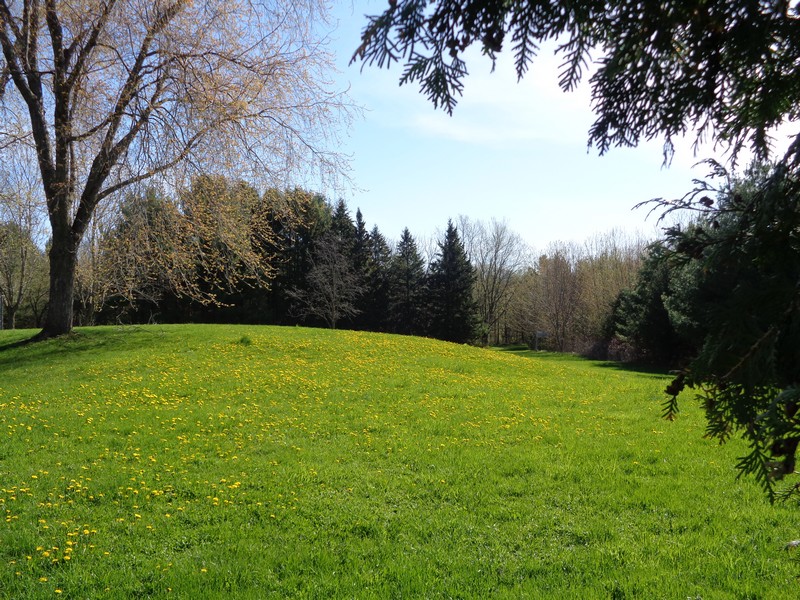
But this morning I would welcome the company of a serious bird brain, someone who could tell me who’s singing from the top of every tree, following me with very obvious intent to serenade.
The sound is too big for a chickadee dee dee dee.
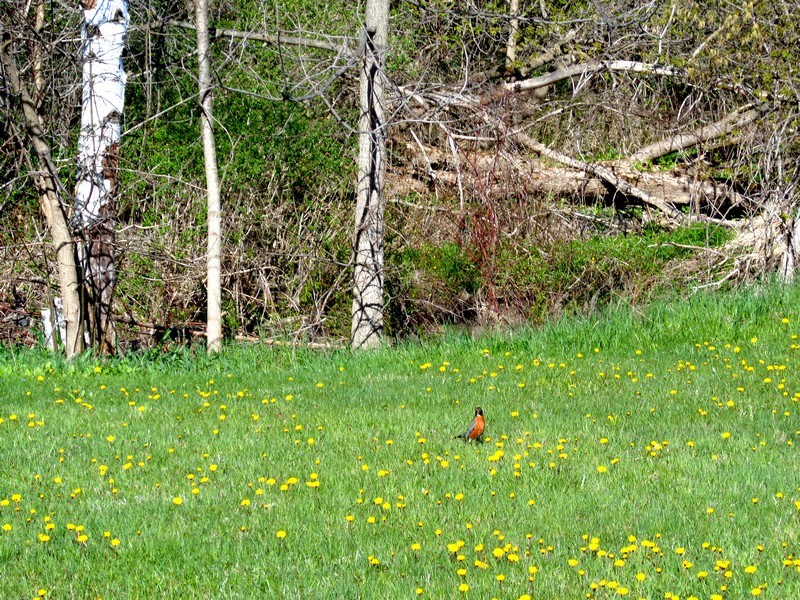
And it’s not a robin, or a cardinal (& so ends my song recognition repertoire).

A botanist would be handy too. I’d ask what is this shrub in pink bloom that every year I swear I’ll make a note to go back and find when it’s fruiting so I know what kind of shrub it is and then always forget to check…

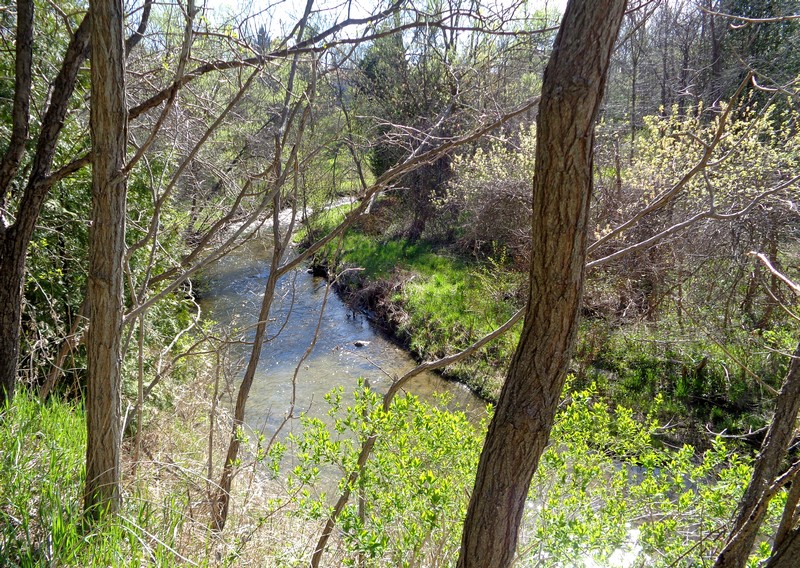
But the only person I see is a guy standing at the creek, facing the morning sun, just standing there, and then he raises his arms in salutation.

I recognize the impulse.
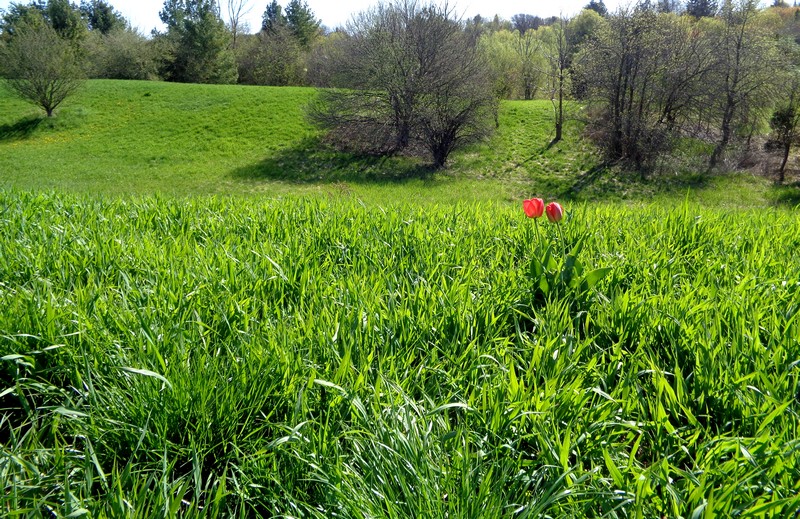
And so I walk very quietly by…
Dear-Menfolk-of-a-Certain-Mentality:
In the event you’re confused about how to treat the wimminfolk ‘these days’, and we suspect you are, maybe this will help…
a) ‘these days’, by the way, have been ongoing since Mary Wollstonecraft had the chutzpah to point out (publicly and in writing) the inequities between genders in 1792. She was, of course, the first feminist or, as some of you might describe her, the first pain in your ass. She certainly heard enough of that in her day. As have all women who dare to point out inequities. Because our more important role is to smile. And if you think the inequities are tiring to hear about, imagine it from our end.
b) It’s not about doors. Or seats on buses. I mention this only because it appears to be no small detail in terms of your frustration/confusion.What do these chicks want? Are you supposed to open the door or not, you wonder….
c) So, I repeat… it’s not about doors.
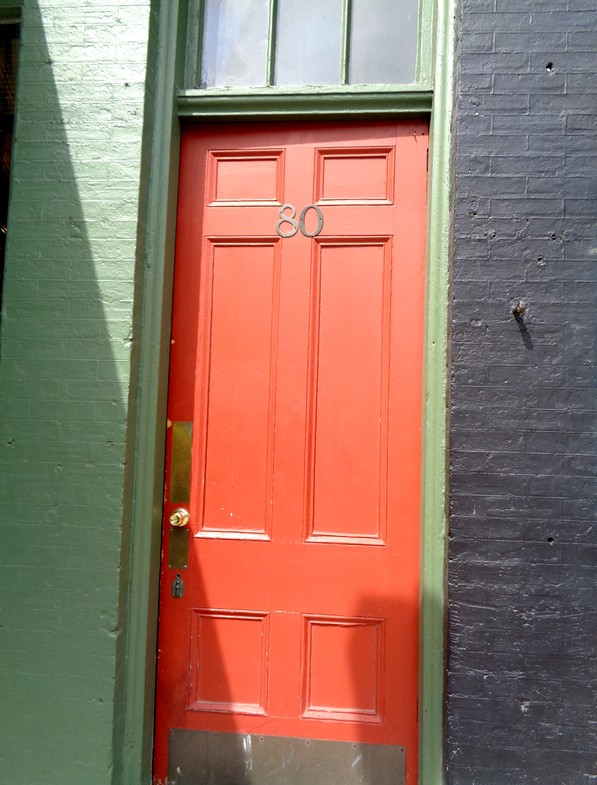
Please understand… we know you live to be helpful, to treat women with chivalry because, after all, that implies horses and knighthood, a nifty metal ensemble, a shiny sword but, honestly, unless our arms are full of groceries or rocks or children, we can handle a door. Same with anyone, really, you needn’t single us out. We’ll let you know if we need help with a jar or a high up shelf but in the meantime we’d like to think you’re using all those knightly instincts being chivalrous to people in general, opening an equal number of doors for men with arms full of children and offering seats to old fellas who look tired. In turn, we, too will gladly hold a door for you should we happen to get to it first. Basic politeness is different than a sense of duty, or favour.
That said, if you just can’t move past the idea of imposed chivalry, that men exist in order to ensure the welfare and good treatment of women, you’re in an excellent position to do something about it given your clout in most things corporate, political, tyrannical and world domination, generally.
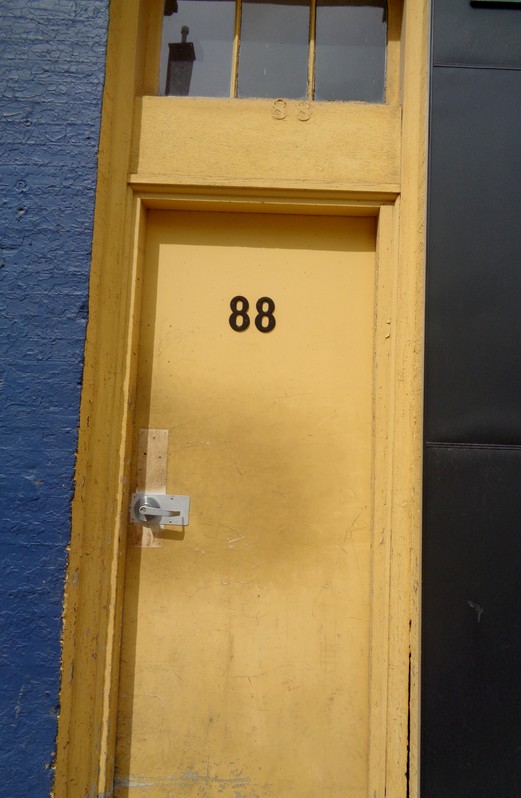
Justice for sexual assault victims
Elimination of gender discrimination in the workplace, in the arts, in government, at my car dealership
The growing trend of women and poverty (aka feminization of poverty)
Gender based violence in… well, everywhere
Domestic violence and the need for shelters, community support, housing
The buy-in on your part to raise your boys to know it’s okay to show healthy emotion so that they don’t grow up like angry little grenades
The buy-in on your part to allow your boys to do more than excel at sports
The need to change the language that demeans girls: throw like a girl, etc.
And the language that demeans women… the male server at the restaurant who calls the woman who is neither young nor a lady, young lady, while addressing the male at the table as sir.
Equality of pay
Equality of employment opportunities
Elimination of the pink tax. Why do pink razors cost more than blue ones?
Reproductive Rights
Missing and Murdered Women
Rape and Trafficking
Increased funding and research in the area of women’s health, i.e. maternal, menstrual, menopausal (part of human biology, not chick stuff )
Oh, and stop telling women to smile, okay? You like telling people to smile, tell each other.
~
Because these are the kinds of things that would actually HELP women.

Once you’ve taken these things as seriously as you do doors, and seats on buses, and opening jars, and similarly ‘helpful’ things, well, then, if you still want to open doors for us, go right ahead.
Thanking you in advance.
~
Once again, thanks.

 Matilda Magtree