


wordless wednesday
living the metaphor
I recently ran away and joined the circus.
A metaphor, yes.
The intention was to get away from routine for a bit, let whimsy be my guide, fly through the air with the greatest of ease…
Then I googled the rules.
How to Run Away to the Circus:
Get into shape. To be a part of any circus, you should be highly capable physically. Before you join in the clowning about, practice your flexibility for a few months. If you’re interested in trapeze or aerial silk, make sure to stretch every day and practice flexibility exercises. Eat healthy foods, and stay as physically active as you can.
Choose an act. Circuses usually require auditions, and you should build a repertoire. Look into things like acrobatics, diabolo, unicycle, and trampolining. Once you’ve picked something to study, get equipment for it and begin practice. Build a bit of a show, perhaps with a theme for entertainment value, to attract possible employers and for use in auditions.
Find a good costume. Some performance attire can be revealing, tight-fitting, or simply wacky. Make sure you have the right costume for you, and that it fits your act. For example, you wouldn’t want long, flowing sleeves for fire dancing.
Make sure your makeup is pixel perfect. In the circus, you have to do everything yourself with no help from a makeup attendant. So purchase and collect your own makeup. Good things to use are shiny eyeshadow and diamond studs. If your show has a theme, play off of it. For example, a show based around fire might involve brightly colored makeup.
Practice your smile. Yours may vary based on your act and your own personality. Some performers may opt for a sexy, one-sided smile, but a friendly grin can also warm the hearts of your audience.
Consider the realities of circus life. The circus is a crowded environment by nature, and you may not have much time alone. If you can’t stand the thought, consider performing in another setting.
-—-
Turns out circus life [complete with clowns] is just like any other.
You have to pay attention.
Or you’ll fall off the trapeze.
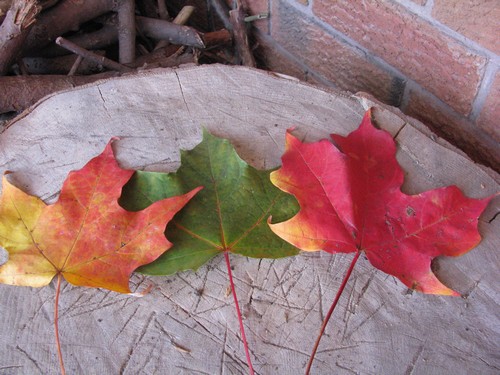
today’s colour




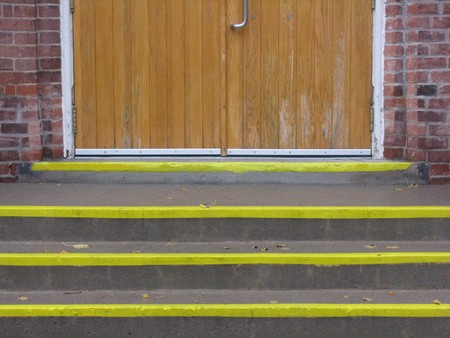
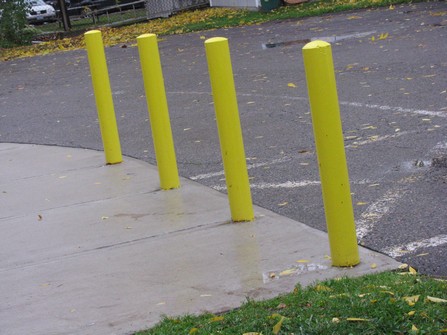


wordless wednesday
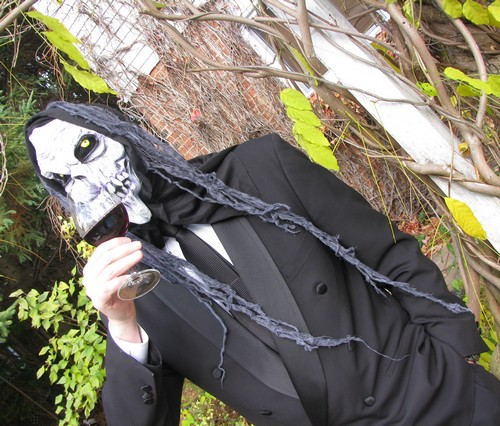
a dreadful fascination
A few [not entirely precise] quotes from today’s International Festival of Authors event in Uxbridge, hosted by Blue Heron Books, where authors Jane Johnson and Laura Lippman were in lively conversation with Siri Agrell, and where the vibe was very living room, casual and writerly. The only thing missing was wine.
But, given that it was a brunch, this can be forgiven.
In no particular order, a few gems…
On writing the opposite gender and why women are better at it than men:
—The prey knows the predator better than the predator knows the prey. –Laura Lippman
—It’s less urgent for men to understand women. Historically, few men have had a female boss, for instance. —Jane Johnson
—Women have been learning to read faces since they lived in caves and stayed in groups, tending the fire, while men were out hitting things over the head. — Jane Johnson
On the secrets to success:
—Luck is what makes a book work. – Jane Johnson (meaning that’s the one thing the writer can’t control so if it doesn’t always hit the mark, don’t take it personally)
—We only make mistakes when we’re so sure we know something and don’t bother checking. – Laura Lippman
—Write a good sentence and move on. – Laura Lippman quoting Rebecca Lee
On characters:
—I once had a character change gender in the middle of a first draft. – Laura Lippman [her point, to keep writing, it’s a detail, deal with it later; first drafts are meant to allow the ‘barefoot wild child’ to just write without thinking…]
—A writer inhabits all her characters, the good and the bad ones. This is our empathy with humanity. – Jane Johnson
On process:
—When I start writing, I may know the beginning, middle and end of a book, but it’s how I get from one to the other that makes it live. – Jane Johnson
—What starts a book? A dreadful fascination. – Jane Johnson
—The danger is you can edit the life out of anything. – Jane Johnson
On publishing:
—The industry likes people who know what it is to work in an office. [versus the kookie eccentric ‘artiste’ type] – Laura Lippman

excuse the rustle
You there, measuring
worth in French cuffs
unable to discuss
the art of burning leaves
in a backyard pit, the smell
reminds you of nothing, the rustle
of ten thousand on the street
only gets in the way
of your feet
as you run
in wicking shorts,
and blinders.


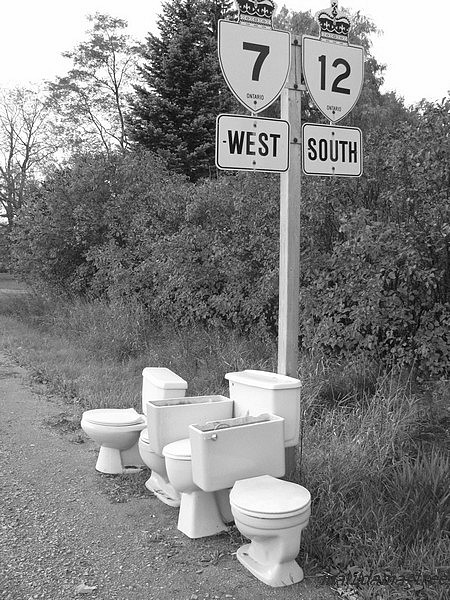
wordless wednesday
♣
Other wordless friends—
Cheryl Andrews
Christy Ann Conlin
Kristen den Hartog
Allyson Latta
the power of dark
This morning’s walk in all that lovely blackness, stars still out and street lights on—just the way I like it. In a few weeks we ‘fall back’ and mornings will be much brighter. I have no idea why we persist in this time altering routine every year. Didn’t it originate with children needing to help with farm chores before walking ten miles to school? Uphill. Both ways. Something like that. Light was important, that’s all I remember.
But that was before it was everywhere. All the time. Surely we could do with less of it now.
So I get up early and walk and in the darkness, I pass a young woman, she looks cosy in a pink hoodie, carries a large drinking container, presumably coffee [I’m not sure tea drinkers are as prone to wander about with flasks of chamomile and lapsang souchong, but I could be wrong]. Beside her an acorn coloured dog about the size and shape of a rolled up newspaper, walks in that sprightly way of short-legged canines who stroll with long-legged humans. She stares straight ahead, and the contrast between her yawning demeanor and the dog’s peppy Isn’t this great, isn’t this fun, doncha love a walk, doncha, doncha, doncha, wanna go faster, wanna throw me a stick, go ahead, throw me one, throw me one, isn’t this just so GREAT??!! vibe makes me smile. We exchange pleasant good mornings as we pass each other and I think what a civilized thing it is to greet a stranger so early in the day. A tiny celebration of being alive, the kind of greeting that doesn’t always happen on brighter occasions.
We walk the same loop but in opposite directions so a bit later meet again, this time both of us doing what Douglas Adams in The Meaning of Liff calls the corriecravie:
“…[a] highly skilled process by which both protagonists continue to approach while keeping up the pretence that they haven’t noticed each other…”
By now the streetlights are off, the day’s crept in and we can see each other quite clearly. Pink hoodie maintains her part in the corriecravie by chatting with the previously-ignored acorn pup while I feign interest in the leaves I’m kicking through, although we’re probably both en guarde for making eye contact and chuckling if necessary.
Turns out it’s not.
In the light of day we pass each other without a glance.
today’s colour





♦◊♦
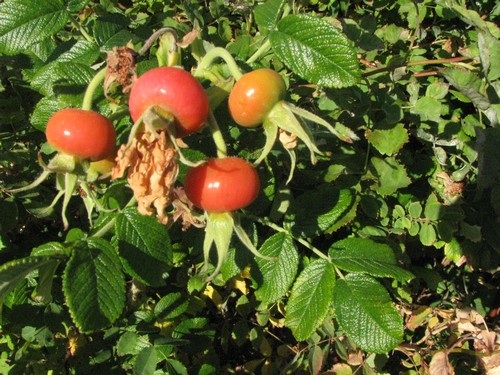
If you like Orange…
—Hey Litterbug! Orange you ashamed?
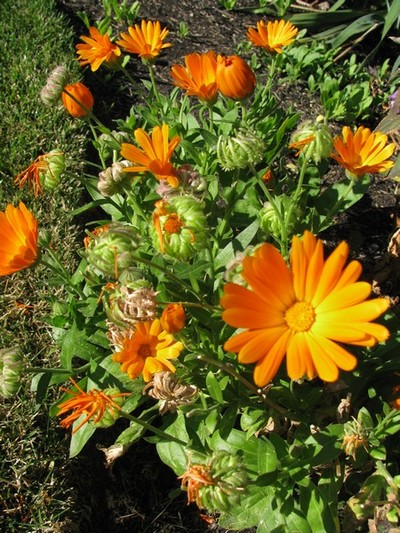
—Writing and gardening = Orange on the mind

