a slap in the face

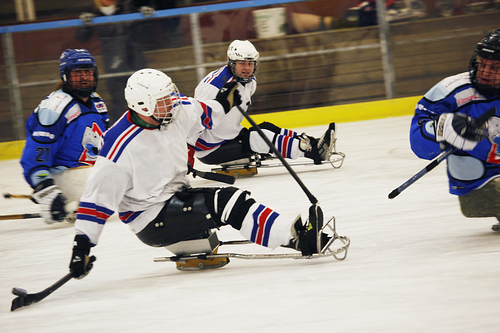
Given the general hoopla dedicated to the Vancouver Olympics, Part One, I had this stupid idea— that is, I assumed —Part Two, the Paralympics, might also get some attention.
Not that I expected it would get as much of course. Good lord no. Afterall I understand that it’s hard for small-minded marketers to find the same promotional ‘qualities’ in visually impaired, armless, or wheelchair bound athletes. (Though why that is, I can’t quite fathom. One would think—if one were thinking—that not only are these men and women of the Paralympics extraordinary athletes in top physical condition—moreso even than the Part One Olympians when you consider things like cross country skiing without poles or downhill without sight—but their clothing and equipment must also be absolutely top of the line.)

Seems to me lots of marketing opps missed here.

But then, could be we’re dealing with teeny, blinkered brains in the corporate and marketing arenas where sponsors prefer spokes-models of a certain size and limb count.

Small brains seem also to reign pretty mightily over at CTV where, I discovered I will NOT be able to watch the Paralympic opening ceremonies tonight. That’s right, the official Canadian broadcaster for the Vancouver Olympics feels that the latest episode of Medium, an American TV series, is more important.

The opening ceremonies are on TOMORROW (of course, what a great idea!) after the games have actually begun.

Well, here’s news for the CTV Einsteins who came up with that plan—I’m a funny person, I like to watch opening ceremonies at the OPENING. (FYI: that means BEFORE the event gets rolling.) I might be alone in this, I don’t know. 

What I do know is that it’s a huge oversight that the Paralympics are consistently treated like some second class show  but when the show is being held in our own country, you’d think we might just deem it worthy enough to treat it with a little more  respect and dignity. And maybe, therefore, allow ourselves to be more broadly introduced to this incredible event.

Of course that would require intelligence and a certain kind of balls that apparently don’t exist in the CTV boardrooms where this decision was made.

To say that not airing the opening ceremonies is a slap in the face, not only to the athletes, but to viewers eager to share in the excitement, is an understatement. I’m puzzled to say the least. Embarrassed because I thought we were better than that. And more than slightly disgusted.

I never thought I’d say this, but God bless the internet.

Fortunately Part Two of the 2010 Vancouver Olympics can be seen here, live. Including the opening ceremonies.

Generously sponsored by Visa and Samsung.

this is not a review: the anthologist, by nicholson baker


I’ve been reading things recently about not writing as a tool for better writing, which, to me, makes perfect sense given that I believe procrastination (when handled with care) has a valuable (necessary) place in a writerly toolbox. Walks, cups of tea, headstands in the garden, rarely fail to loosen a brain (and a loose brain is a thing of envy indeed).

It’s no wonder then that I so completely enjoyed Nicholson Baker’s The Anthologist where procrastination is the art form.

The narrator, poet Paul Chowder, has been asked to write the introduction to a poetry anthology and for 243 pages he lets us in on every distraction and digression that flits through his head as he avoids doing so.

Or so it appears. In fact, writing the anthology is exactly what he’s doing for 243 pages. The breakup of his relationship, badminton games next door, the comings and goings of a kitchen mouse, are merely forms of life he notices from another plane where he lives and breathes beats and rhyme and the mathematical precision of rhythm. Where everything is light and shadow. Pauses. Enjambment.

What the narrator is actually doing is tearing open the whole world of poetry as he feels it, and staring it down; this takes time. He doesn’t do it on purpose, but still it requires the kind of courage that allows you to stand back from a project, do nothing, all the while hoping to god you’ll do it in exactly the right way for exactly the right amount of time.

The end result is a delicious ‘conversation’ with the reader, full of passion and brilliance, easy humour and cheeky digs (Baker is either really good friends with Billy Collins or he hates him); it made me want to read and re-read a number of known and unknown (to me) poets, including Swinburne to see how he ruined things.

None of it is dull.

Of the Elizabethans, he says: “They really understand short words. Each one syllable word becomes a heavy, blunt chunk of butter that is melted and baked into the pound cake of the line.”

Of Sara Teasdale: “One day she hit her head on the ceiling of a taxi while it was driving over a pothole in New York, and afterward she said her brain hurt and she dropped into a funk and eventually she took morphine in the bath and died.”

When he sees endoplasm on the first page of a twenty page poem submitted by a student he says “I went cold, like I’d eaten a huge plate of calamari.”

(Chowder eventually gives up teaching as a source of income because it depresses him and drains him; he takes up house painting instead, which he finds much more agreeable.)

He talks about the link between weeping and meter, how as babies we cry in a rhythmic way we lose as we grow up. “Poetry is a controlled refinement of sobbing.”

And this about truth: “…you can choose to tell the truth or not to. And the difficulty is that sometimes it’s hard to tell the truth because you think that the truth is too personal, or too boring, to tell. Or both. And sometimes it’s hard to tell the truth because the truth is hard to see, because it exists in a misty, grey non-space between two strongly charged falsehoods that sound true but aren’t.

“I have no one. I want someone. I don’t want the summer to go by and to have no one. It is turning out to be the most beautiful, most quiet, largest, most generous, sky-vaulted summer I’ve ever seen or know—inordinately blue, with greener leaves and taller trees than I can remember, and the sound of the lawnmowers all over this valley is a sound I could hum to forever. I want Roz.”

I love the poetry lesson throughout, the musings on life, the soul baring honesty mixed with just the right amount of sarcasm, but mostly I love the message inherent in the structure: that sometimes procrastination, distraction and a particular kind of diddling about are the only way to loosen our brains enough to let the good stuff come through.

(~Read on the weekend in the company of sweet woodruff tea.)

(~Discovered through this post at Carol Bruneau’s Blog.)

____________________________________________

The Anthologist is available online at Blue Heron Books. Support indies!

back from chile

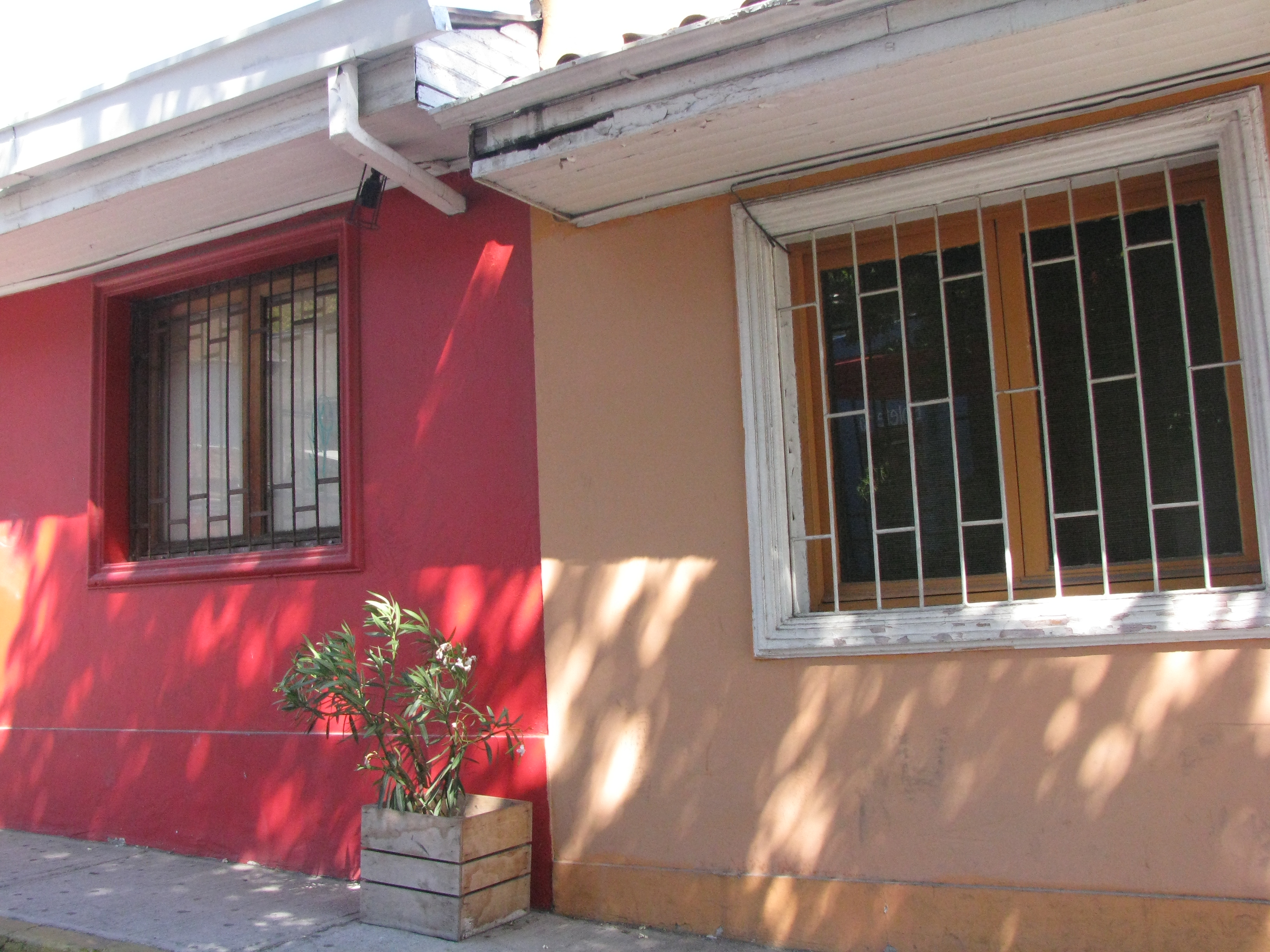
Over at Front Door Back Door—I note the moment we felt the earthquake, the sismo.  After that, and the initial wandering about our room in circles—remembering that we’re meant to stand under door frames when things like this happen, not lay in bed under large swinging light fixtures—we (and by we I mean Peter) went back to sleep. He’s from Florida. Disasters don’t strike him the same way they do me. I read Rilke’s Letters to a Young Poet  instead, which I found oddly comforting and soon felt that all was as it should be. Whatever that was.

Eventually, even I could sleep.

Until a thud happened, that is, so strong it felt like a fat ghost had rammed the bed, all silent and dark and full of power. The first aftershock. I stayed awake from there on out. Florida man went back to sleep.

Next morning, thinking we’d had some pretty wild tremors but that was all, we went about our day. Peter was meeting with people. I planned to stay at the posada, sit in the sun, work on a chapter. But first I wondered if there was anything in the news; I was thinking maybe something along the lines of: Mendoza experienced those pesky but very normal rumblings again last night; nothing to worry about, folks; all’s well.

Not quite what I found.

I’d say surreal—overused word that it is—is accurate here. Even now, days later, recalling the moment when I realized what had happened in Chile, I feel momentarily stunned. Especially given that we’d only left Santiago the day before and were planning on returning the day after. Half our belongings were still there.

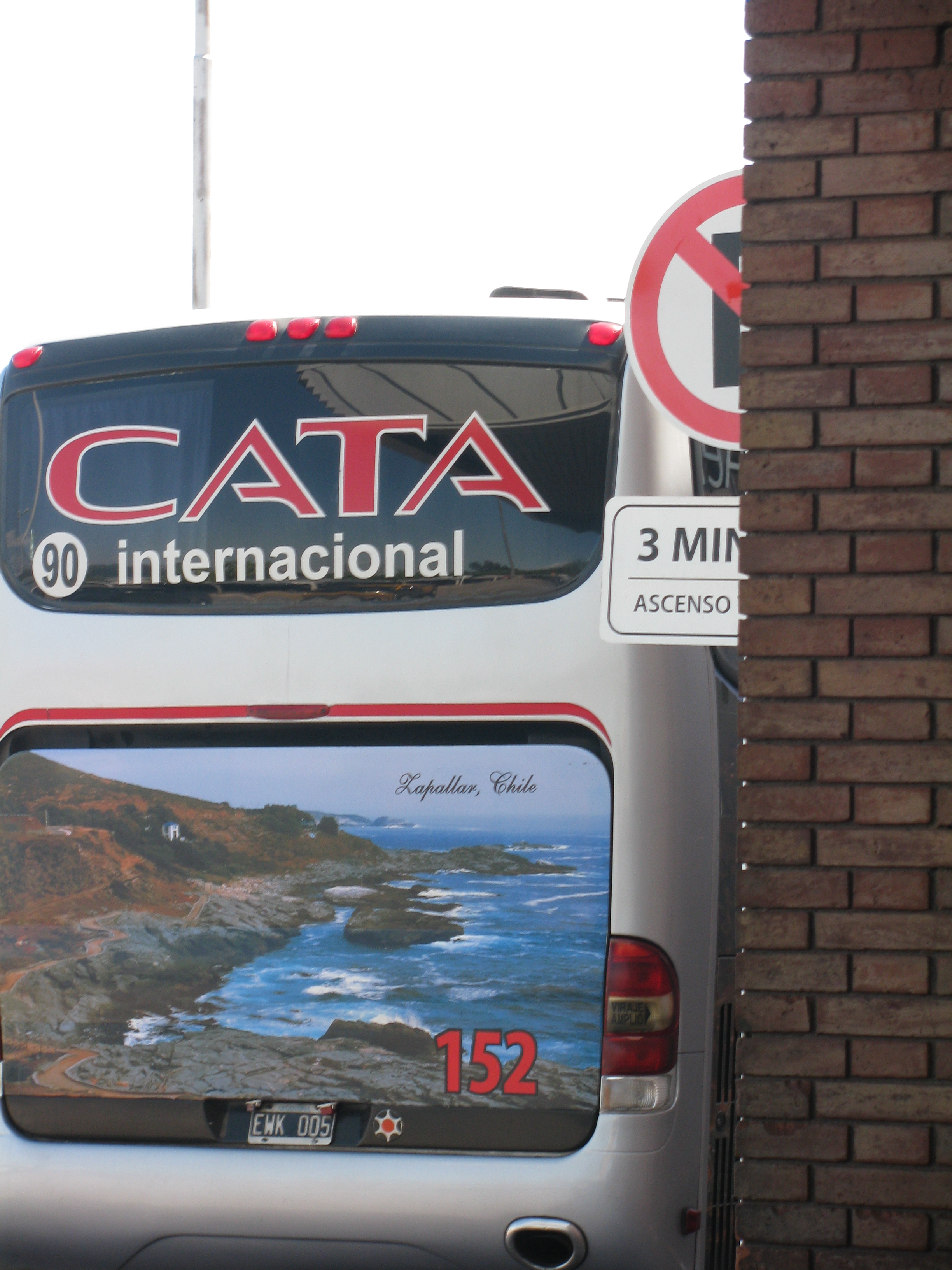
Any return to Chile was out in the foreseeable future. Even leaving Mendoza was getting more complicated by the minute as reporters flocked in, cars and buses being taken to cross the Andes or get to Buenos Aires; people everywhere filling up every mode of transport, everybody wanting to be someplace else. So we spent the day trying to figure out what to do—stay until things calmed down, or get out?

With help from our (new) (bilingual, thank god) friends (who insisted get out was the only option as all things ‘transportation’ would certainly get much worse before they got better), we managed a milk run of connections to Buenos Aires; possibly the last such seats available for at least a week.

And after 48 hours of non-stop travel we were home.

I might mention here that I was reluctant about going to Chile in the first place. It was the long flight that put me off; major excursions aren’t my favourite thing. I like winter. I miss my cats. I work better at home. And so on. For this reason it would logically follow that I’ve spent some time since, muttering I knew we shouldn’t have gone…

But (and no one is more surprised about this than me) the thought hasn’t occurred to me even once.  Not in the moment we felt the tremors or saw the pictures of the chaos in Chile; not during the exhausting two-day journey to get home or in any of the ten thousand lineups along the way—though it did feel annoying—it never felt like we shouldn’t have come. 

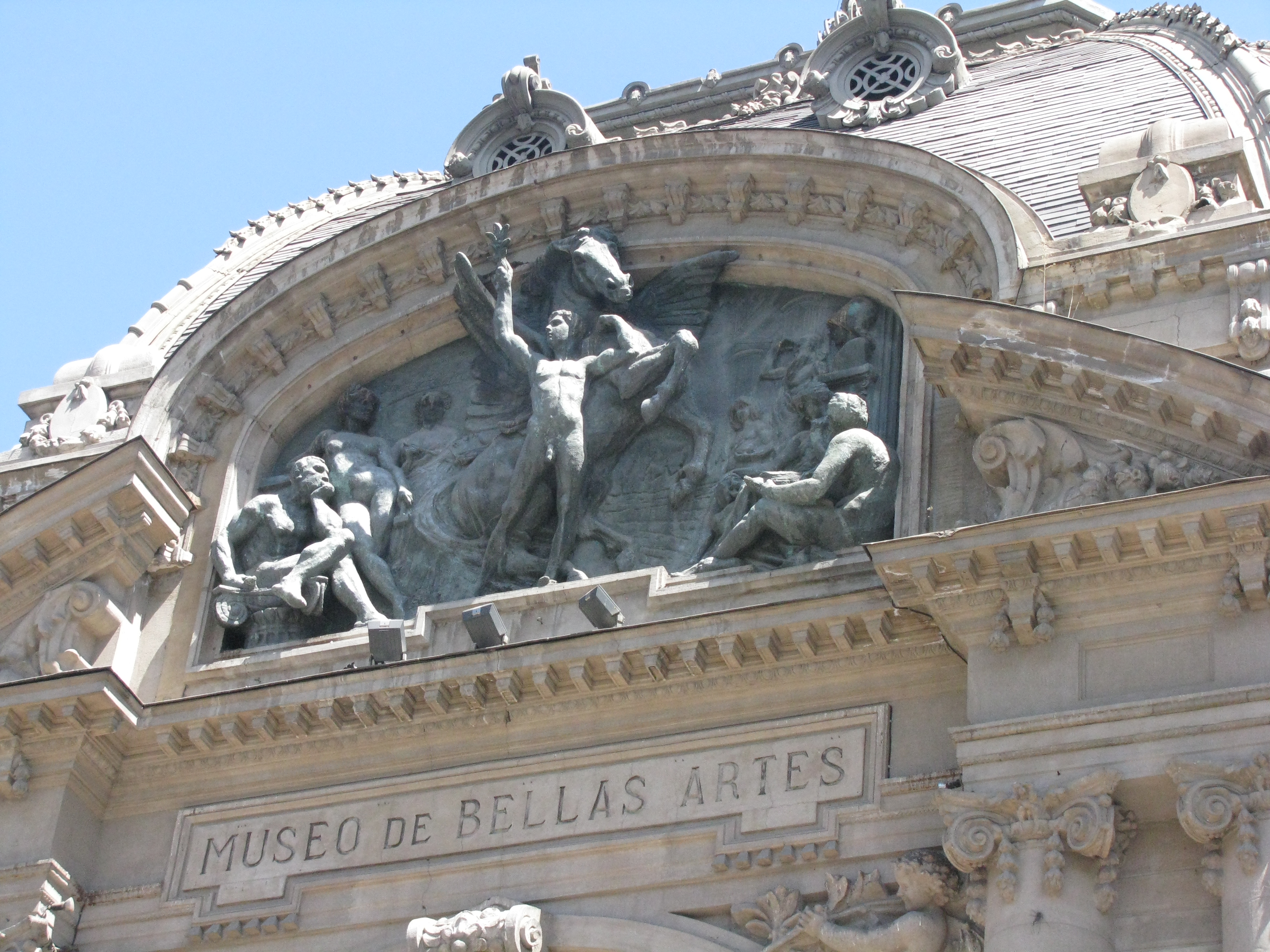
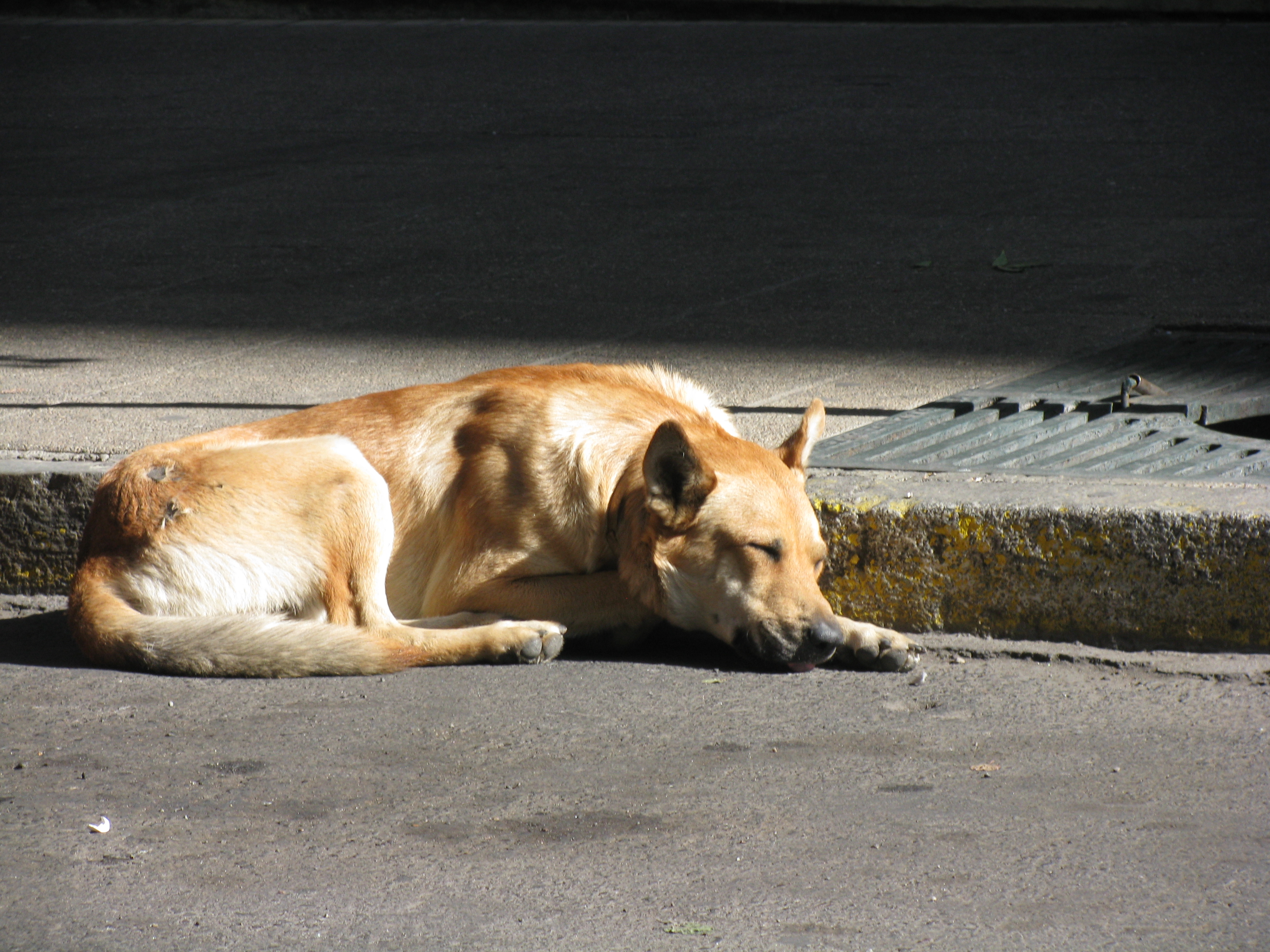
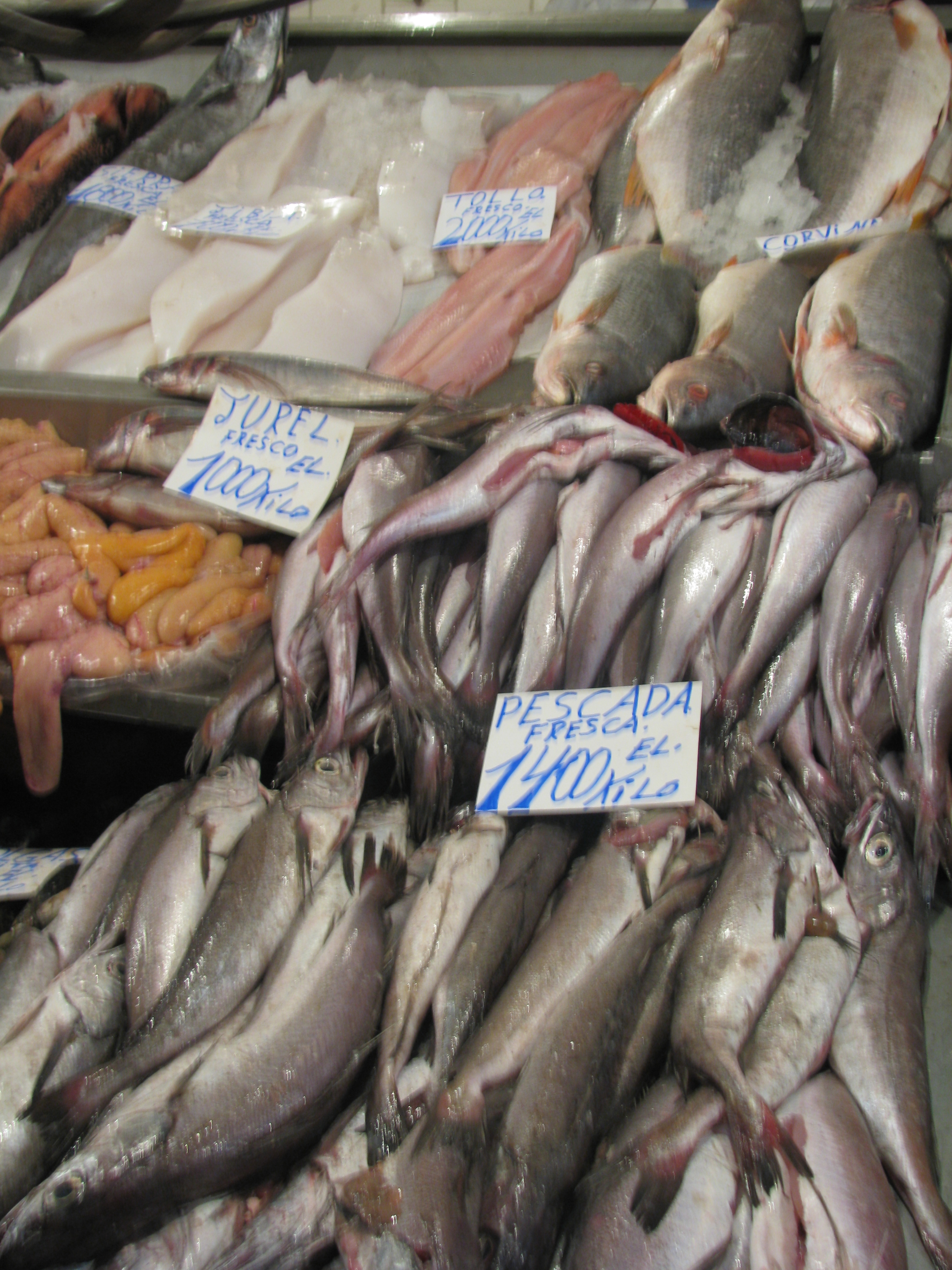
I was puzzled by the absence of my usual inclination to ‘offer an opinion’… Of course shock has a pretty sobering effect generally and can shut you up pretty fast, but it was more than that. It was as if by the time the earthquake hit I’d already fallen in love with too much—something to do with the energy, the quiet pride of the people, the way the land smells the moment the sun sets behind the mountains and how everyone looks at everyone else in the streets of Santiago. You can’t be anonymous, no one is ignored. The perros de la calle, street dogs—owned by no one, embraced by all—that we shared our restaurant scraps with. The giant choclas and noise and laughter at La Vega and Mercado Centrale and the man who warned me not to wave my camera, to keep the strap around my wrist: carteristas, senora!

I had already fallen in love with the small shops that from the outside look like they sell nothing but on the inside are people willing to climb into attics or the back of storage cupboards to cheerfully find what you need, even if it only costs a dollar. And the man in Chacras de Coria who was thrilled when we stopped to buy a tomato from him for what was about twenty-five cents; we were equally thrilled at the prospect of eating it with buttered Chilean bread (the kind sold everywhere, in shops, on street corners, and especially at toll booths on highways where sellers weave in between cars offering snack sized portions of their own homemade bread in paper bags). And the man working in a garden outside of Santa Cruz who saw me sitting in the sun, writing, and carried over a whole table for me on his head, then went back for an umbrella.

When a stranger brings you a table on his head, you really can’t help but fall in love.

I’m not sure any of the above is specific to Chile or Argentina or any one place for that matter. And I’m pretty sure everything is relative, that I could go back and have a very different time. That someone else could go and find the Mercado Centrale less ‘hotbed of fun’ and more crowded place that smells overwhelmingly of fish.

But then it’s never really the stuff, or the place, is it? With the exception of a a few geographical, cultural and language differences, the important things, the people, are much the same everywhere. We just don’t see it when we’re caught up in our I-don’t-care-for-the-smell-of-fish moods. Change our mood, our habit of grumbling through our days, and I suppose we’d see the important stuff all round us wherever we happened to be—including home.

To my new friends: thank you for extraordinary generosity and kindness.

Carlos and Laura who run  the most beautiful posada this side of the Andes, and who—despite my desire to hide out there for an additional week til things calmed down—insisted we get out and performed feats of almost magic to make that happen.

Fernando, driver extraordinaire (who knows everybody that’s anybody in Mendoza). A wonderful madman who thrives on caffeine and adrenaline, with a heart as big as his country.

And, especially, to Mauricio, in Chile, for showing us his country through a prism we’ll never forget.

♦◊♦

More Travel:

Stratford
Peterborough
Prince Edward Island
Miami
Montreal
Niagara Region
Vancouver

letting truth lie

Truth is merely a perception. Memory, a feeling. Right?

In other words, does it really matter that (you think) your sister always got the extra spoonful of fried bacon on her polenta, or why your mum was draped over the ironing board, weeping, that bright Saturday afternoon in June (or was it August?) the year you turned nine or maybe seven and came home with a tadpole in a jar. Or was it a bee?

It´s what we take from it that counts. It´s the part that remains that has all the punch. Even if we made it up.

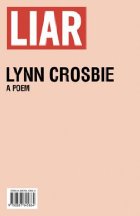
I´ve been thinking about this kind of thing since reading Lynn Crosbie´s Liar, (Anansi, 2006). Though not about being nine or bees in jars—it´s about adult love betrayed—the same principle applies. We remember what we need to, and if we´re lucky we figure out a way to do something with it that allows us to move on.

In this case, Crosbie has chosen to write a poem that reveals love in all its dimensions, including the kind that lingers as something important yet also suddenly somewhat irrelevant

It would surprise you, how seldom I think of you…not hating you as much as what you have done.\ You could be anyone.

Never whiny or even slightly cruel, her prose shows us the world she lived in through the prism, the remnants, of perception; a looking ´back´ at love once it´s  morphed into something clearer, more honest. It´s all memory and feeling; truth and lies in various forms.

It is unpleasant to see people change. It feels contagious, it feels as if it is their own fault.

I am tired of watching women who, in their terror of being left, are changed also.

Large women, as insistent as thunder, made small, their allure recast as repulsion, all of them looking for dust in the corners, freezing sauces, probing themselves with sharp instruments.

Crosbie shares what it´s like to be both betrayed by someone and by oneself. The things we tell ourselves in order to keep what destroys us. We protect the liars by lying to ourselves.

The piece is focussed throughout, without slipping into notes of revenge,  imposing hurt, or issuing blame. Even references to sexual intimacy are muted as if to respect the former lover´s present life.

Clearly, this is not about The Other, it’s about Self. A much harsher truth to face.

Deception itself is pleasing, because it alters you, entirely.\ Then things resume as they were.

Despite knowing her relationship (with the unnamed beau of several years) is crashing, and even though she has, by now, forgotten him ‘in theory’…. It is our life I cannot cross over, as though we sunk our savings into a business that leaked money, that bled us dry.

Heaving, you  began to speak and  blocked out my past.

And then, the end, only realized by his new  beginning and…the tiny anchor of her diamond.

The moment we let someone into our lives, they come equipped with enough ammunition to destroy us,\ though the terms of destruction are unclear.

I had let him see too much. In doing so, he  became disgusting to me.

I especially enjoyed her memories of trying to integrate with him, his family…

I was following your mother around the kitchen, trying to help. Wiping the counter, re-folding the gingham tea towels.\ Have you tried this new Swiffer thing, she asked, and the intimacy of the question disarmed me.\ I was sorting through five different answers when she said, With that place it´s not likely to make a difference.

She, the narrator, remembers watching him as he slept…. watched your eyes drift like fish under your lids.

And her own insanity, her own culpability in things (and I adore her for this, especially)…

What are you doing in there, I would ask. This sort of recollection makes me understand your departure  better.

Maybe the saddest line in the book is when she refers to his marriage to someone else, and hers with him that had no ceremony, but had other markers…

…every day you rushed home to me, without stopping.

Liar is about different forms of betrayal, a love poem and a lesson.

Ultimately, perhaps, it´s a gift to self—and quite possibly the best form of revenge.

(~Read under a large umbrella, next to a small vineyard in the foothills of the Andes.)

writing is like…

Today it’s a little like traipsing along a woodsy path—pleasant enough, but dense with fallen logs criss-crossing the way in front of you, leafy branches smacking you in the face, foggy rainy mornings sometimes lasting all day.

Strangely, you don’t mind the journey because you like being outside and you get that nature is a little wild. Then suddenly, there’s this clearing full of sunshine and blue sky and you think—oh, yeah, I’ve heard about clearings. (Not that fog doesn’t have its place or that you mind rain when it’s gentle and cleansing; even storms bring a certain excitement.) But these clearings, they’re a nice change with the shrubbery over to the side, less in your face, less trying to trip you up. It’s like you’re somewhere, rather than just hacking your way through brush, hoping for the best.

You can’t see how the path winds and turns from there, and you’re probably right in supposing there’ll be more damp leafy debris waiting up ahead—hills and valleys—massive fjords even—but it doesn’t matter because when you’re in that clearing, the purpose of the journey makes absolute sense—and in that moment, that millisecond, whatever’s up ahead only feels welcoming.

And so you continue…

meet anton

 
“You may have heard of Rapunzel.

“Against the wishes of her family, who can best be described by their passion for collecting miniature dolls, she went to live in a tower with an older woman.

“Her family were so incensed by her refusal to marry the prince next door that they vilified the couple, calling one a witch and the other a little girl. Not content with names, they ceaselessly tried to break into the tower, so much so that the happy pair had to seal up any entrance that was not on a level with the sky. The lover got in by climbing up Rapunzel’s hair, and Rapunzel got in by nailing a wig to the floor and shinning up the tresses flung out of the window. Both of them could have used a ladder, but they were in love.

“One day the prince, who had always liked to borrow his mother’s frocks, dressed up as Rapunzel’s lover and dragged himself into the tower. Once inside he tied her up and waited for the wicked witch to arrive. The moment she leaped through the window, bringing their dinner for the evening, the prince hit her over the head and threw her out again. Then he carried Rapunzel down the rope he had brought with him and forced her to watch while he blinded her broken lover in a field of thorns.

“After that they lived happily every after, of course.

“As for me, my body healed, though my eyes never did, and eventually I was found by my sisters, who had come in their various ways to live on this estate.

“My own husband?

“Oh well, the first time I kissed him he turned into a frog.

“There he is, just by your foot. His name’s Anton.”

(from—Sexing the Cherry,  by Jeanette Winterson)

literary nude

Someone once explained to me that abstract art wasn’t merely a matter of blobbing paint on canvas, which, I believe, may have been my unfortunate description of it at the time. Any artist worth their pigment, I was told, would have an understanding of the fundamentals of structure, balance and light, and would have studied the classic and most difficult subject—the nude—regardless of their own unique and personal style.

It stands to reason then, I thought, that all art must have its own version of the nude, the essential discipline that provides a foundation to which the artist—whether painter, writer, sculptor, chef, musician—is anchored; the percipient vantage point from which they may let imagination take over, adding distinctive colour, texture, words, flavour and melodies.

From Shakespeare to Alice Munro, literature serves as the writer’s nude, the form we study. But merely to read, to admire the body, isn’t enough. We have to know what’s beyond the shape, the words, to look past the skin at the fundamental structures that exist in every story—the style, wordplay, rhythm, the cycle of romantic, tragic, ironic and comedic modes—to find the musculature that gives it the ability to stand on its own before it’s dressed with the details of the action, character and dialogue.

One paints the nude not merely by seeing the obvious, but by appreciating the whole while dissecting its smallest components in order to understand what makes it live, breathe and move.

As writers, reading is second nature—reading the literary nude, however, is a whole other dimension. And until we’ve mastered it, there’s a very good chance we’re simply blobbing words on paper.

this is not a review: help me, jacques cousteau, by gil adamson

Have just read Gil Adamson’s Help Me, Jacques Cousteau, a collection of linked stories narrated by Hazel, an adult looking back on two decades of her life from babyhood to twenty-ish (all seen in present tense, and from a weirdly almost omniscient POV, which, at times threw me off and other times had me convinced there was no other way to go).

Hazel’s family is made up entirely of eccentrics and not one of them knows it. Her father rewires the house whenever he’s nervous, an uncle collects large white animals, which he then takes for rides in his boat, while her grandfather keeps a dead dog in the back seat until he begins to smell it (which, unfortunately, is much later than everyone else does).

Through the ‘younger’ stories, Hazel merely observes and reports (perhaps too much; I would have welcomed more of her), but this, I think, is all part of the apparent ‘nothingness’ of her life as she sees it and, therefore, she’s not really a part of it. There’s a kind of unspecified disillusionment with this family that pays little attention to one another, so immersed are they in their own strange behaviours and coping mechanisms.

Despite it all, there is a strong underlying sense of love, as if everyone is doing the best they can. “My mother and I share a fondness for watching insects from a safe distance.” How they turn out is anyone’s guess.

Adamson’s poetic touches are throughout. A girl has “a mouth like a poppy.”

Clouds “resemble the sand in shallow water.”

Cousins pour out of a car “like fish from a bucket.”

In the very last stories, Hazel the character suddenly comes alive and we’re privy to her feelings and thoughts rather than just what’s going on around her. But of course it’s what’s gone on around her all her life that has shaped her.

The epigraph—”Heaven is a place where nothing ever happens”— ends up having two meanings: in one way, nothing has happened and that’s been the problem; on the other hand, how can a grandfather carting around a dead dog in his car be seen as ‘nothing’…?