♦
Other (not always) wordless friends:
Cheryl Andrews
Allison Howard
Barbara Lambert
Allyson Latta
Elizabeth Yeoman
♦
Other (not always) wordless friends:
Cheryl Andrews
Allison Howard
Barbara Lambert
Allyson Latta
Elizabeth Yeoman
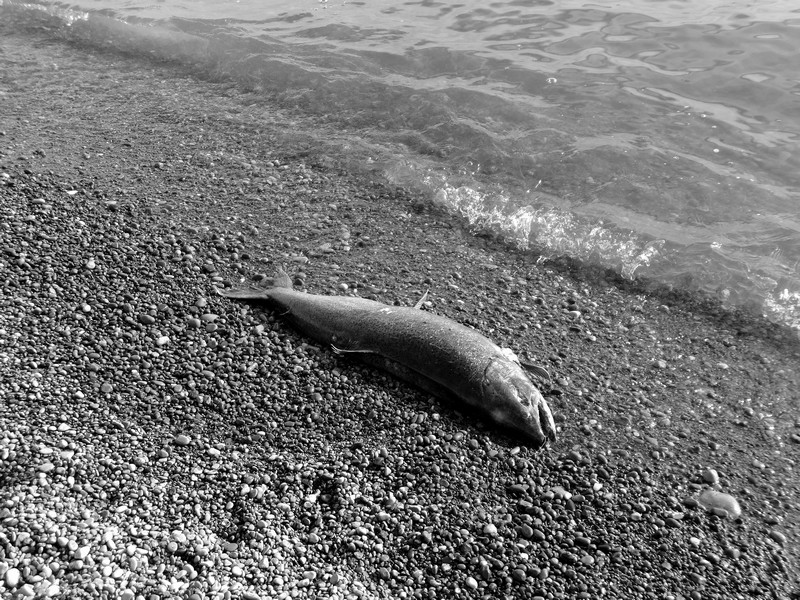
Have spent much of the last month on beautiful beaches that aren’t mine.
Mountain ringed BC lakes like mirrors and, most recently, those endless and magnificent PEI ones made of solitude, red sand, stone cliffs, cormorants and washed up lobster traps.
Now I’m back home.
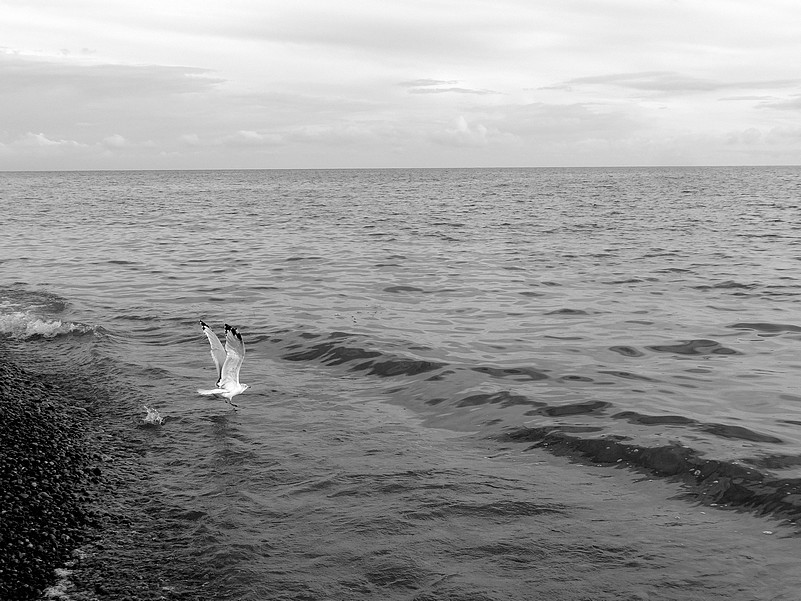
And where I live the beach has no red sand and the cliffs are more cute than seriously cliffy. Sometimes there’s solitude, sometimes dogs chasing sticks in the surf, families and picnics and the smacking lips of lovers, people who have happily found another who likes ‘long walks on the beach at sunset’. The cormorants are sea gulls and hang around the chip truck. Beach litter runs more to Timmy cups than lobster traps.
Do I look like I care?
#homebeachlove #colourblind

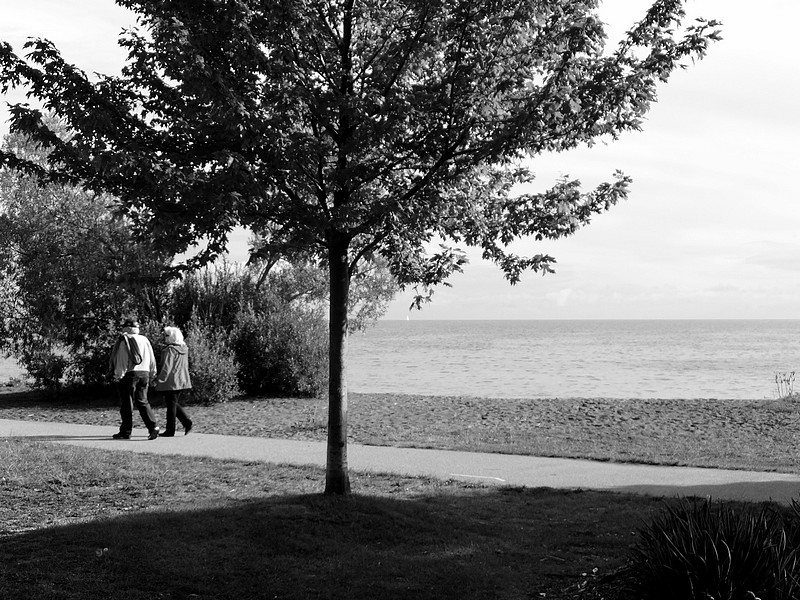

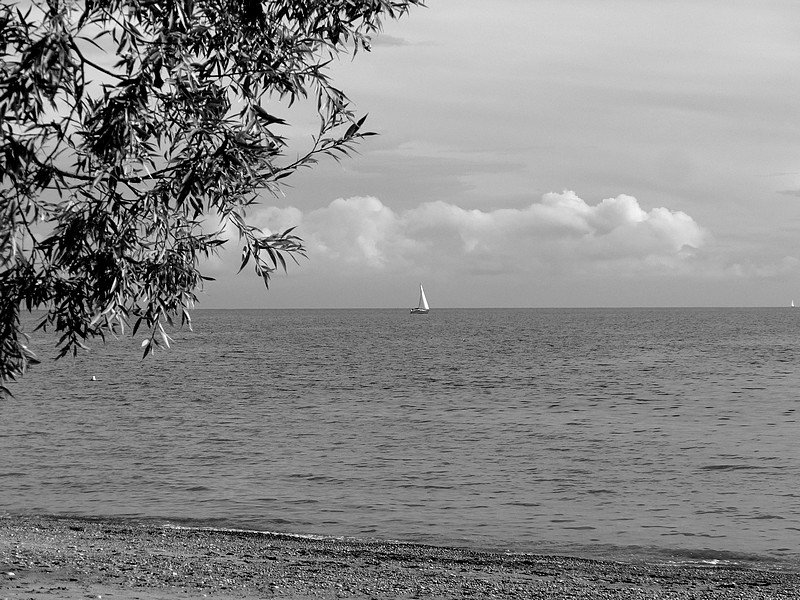
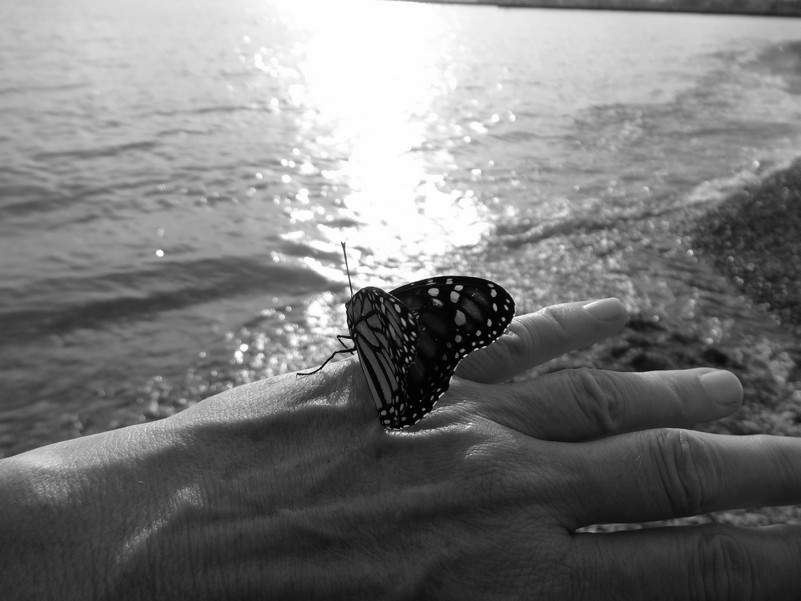
 Saw a monarch that was caught in the splash of a wave, one wing pinned under a tiny pebble. I saw it as I walked past looking for beach glass, assumed it was dead but reached down anyway and moved the pebble… and the wings fluttered. I let it climb onto my hand and it stayed there drying in the sun until a group of young girls noticed and squealed about a butterfly on that lady’s hand!! and came running over to touch it. Better not to, I told them. It’s already had enough excitement and has to fly to Mexico when it catches its breath. They were that age where their eyes go all bright when you tell them about insects and Mexico and as their hands went down to their sides I saw that they suddenly wanted less to touch it then than to hope for its safe journey.
The winged thing climbed up my arm as I continued along the beach and I worried it would fall off and be trampled on the sand before it dried, so decided to introduce it to a stand of milkweed where it happily fluttered off my sleeve and onto a nearby shrub to check its GPS.

Allow me to use these ancient principles to illustrate the way that just when something annoying happens and just as you’re in the middle of being annoyed, poof! the yin yang thing kicks in and makes lemonade.
(No metaphors were [unduly] harmed in making the above sentence.)
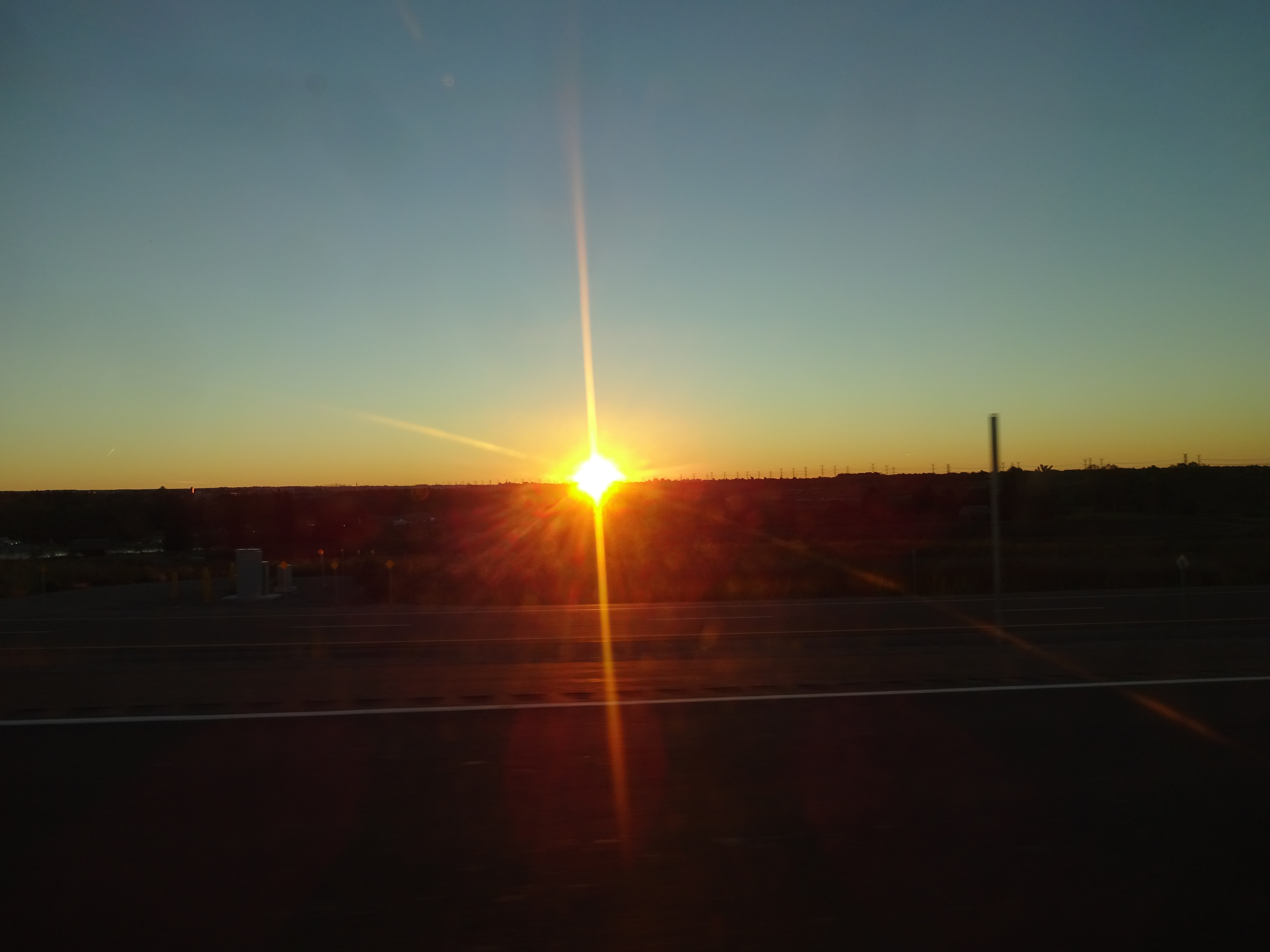
Maybe everything is yin yangly but it seemed even more so on a recent getaway, which begins early early in the morning at Toronto’s Pearson Airport where the two people sitting behind me cannot shut up about how there is no smoking area inside the airport and how they don’t feel like walking all the way outside even though the entire return trek might take 20 minutes. They’d prefer to spend an hour moaning about it instead. Also everything is apparently the government’s fault. Everything. Then I overhear one of them say something that tells me they’re on our flight. Yay. Always nice to be in the company of conversational wizards in nicotine withdrawal. = ↓
But… they don’t sit anywhere near me on the plane. ↑
 ↓ Rental trailer not ready on arrival. Will be 45 minutes to clean.
↑ It’s a blue sky day and we’ve been on a Rouge plane for hours and are therefore starving and possibly semi permanently scrunched up (thank you inch and a half of Rouge leg room!) so decide on a walk, maybe find a bite to eat.
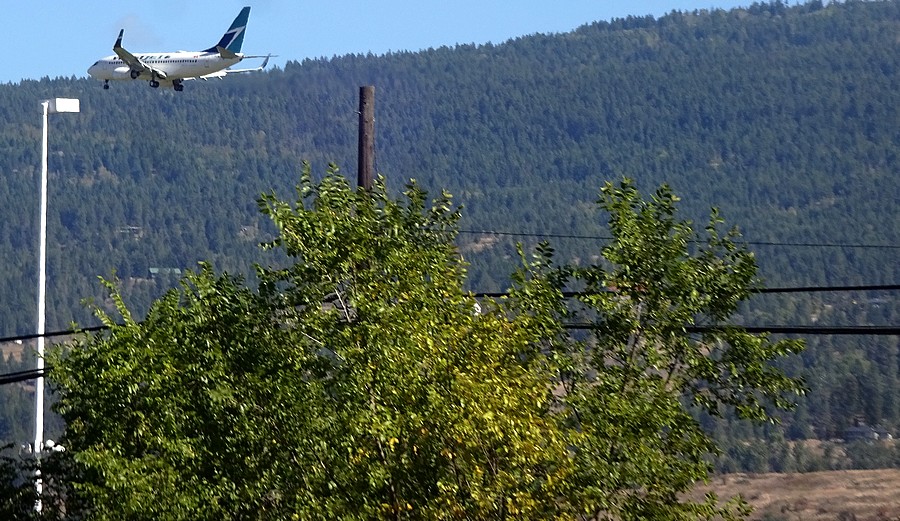 ↓ The only place, we’re told, is a Timmy’s just up the road, through the industrial park, next to a gas station.
↑ We head in that direction but, before getting to Timmy’s, we discover another place and wonder why no one mentioned this oasis of deli with ten thousand options for the best snacks ever. AND a patio overlooking a zen garden of smiling bees and giant purple sage.
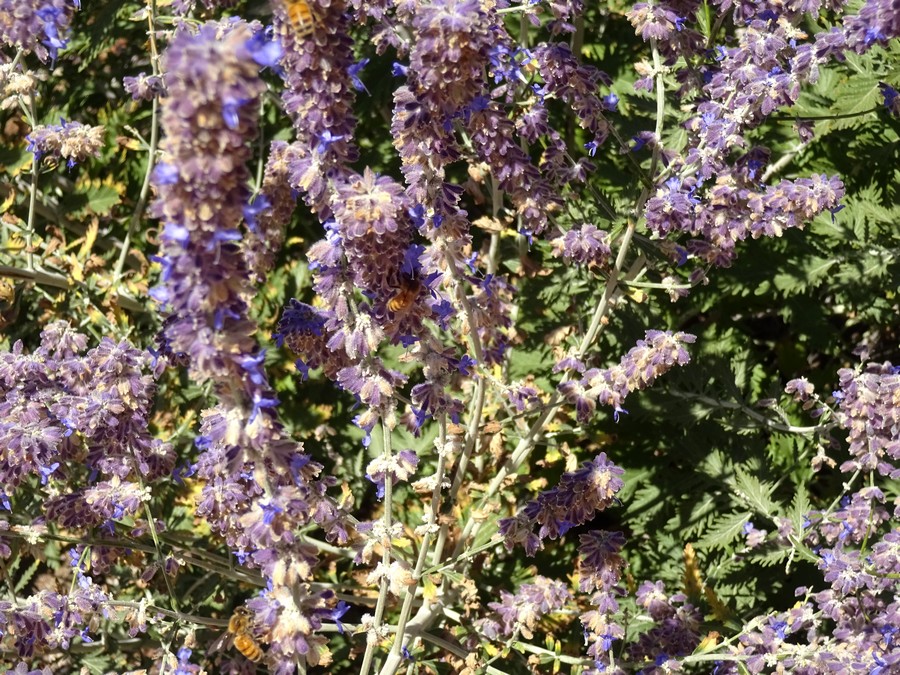
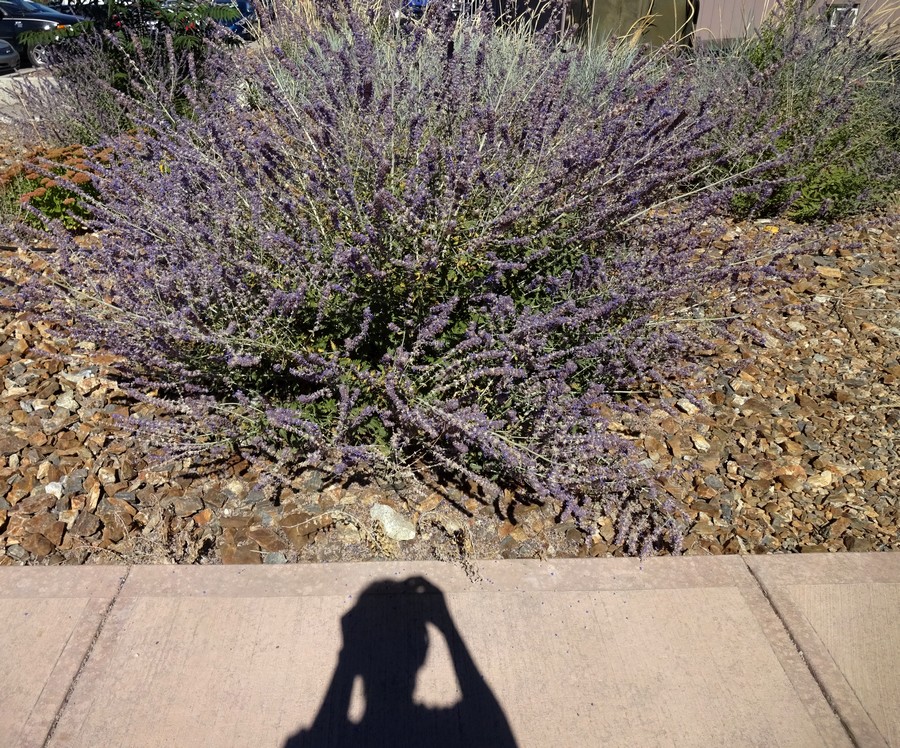
 ↓ Is this our trailer???
 ↑ Uh, no.
↓ The place where we get our fruit and veggies is out of garlic because we are told the farmers are asking too much for it. Too much? How much is too much? And why is everybody willing to pay ridiculous prices for green tea coconut milk lattes but not locally grown garlic? Here’s the thing: if you can, please pay farmers whatever they want for decent food decently grown so that they too may have a decent life. (And the answer to the coconut milk latte is *because they are frigging delicious*.)
↑ They do have lovely onions. Also pears.
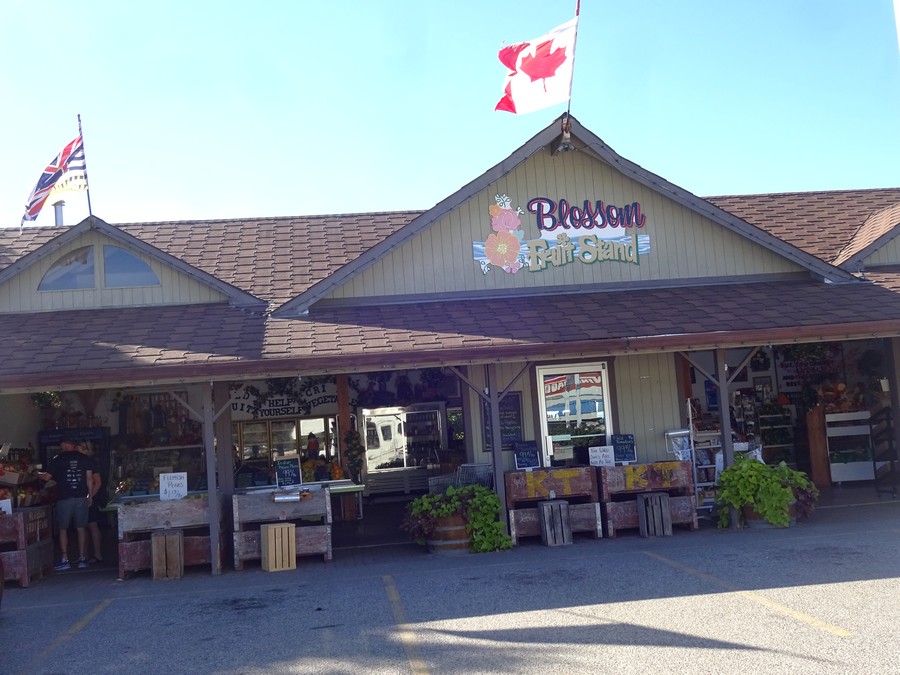 ↓ The place we get our happy ethical meat and eggs from has moved and is now impossible to find even though we have the address.
↑ After a kind of Laurel and Hardy show involving calling the place three times because I refuse to use GPS, we find it. We buy ethical chicken wings and other delights then drive to our favourite IGA for staples like olive oil. Our camping rule is that we shop once. Whatever we run out of, tough. It’s an iron man camping challenge to use only what we have and to not buy more or have leftovers. It’s not possible to express how much I love this part of camping. Or this IGA.
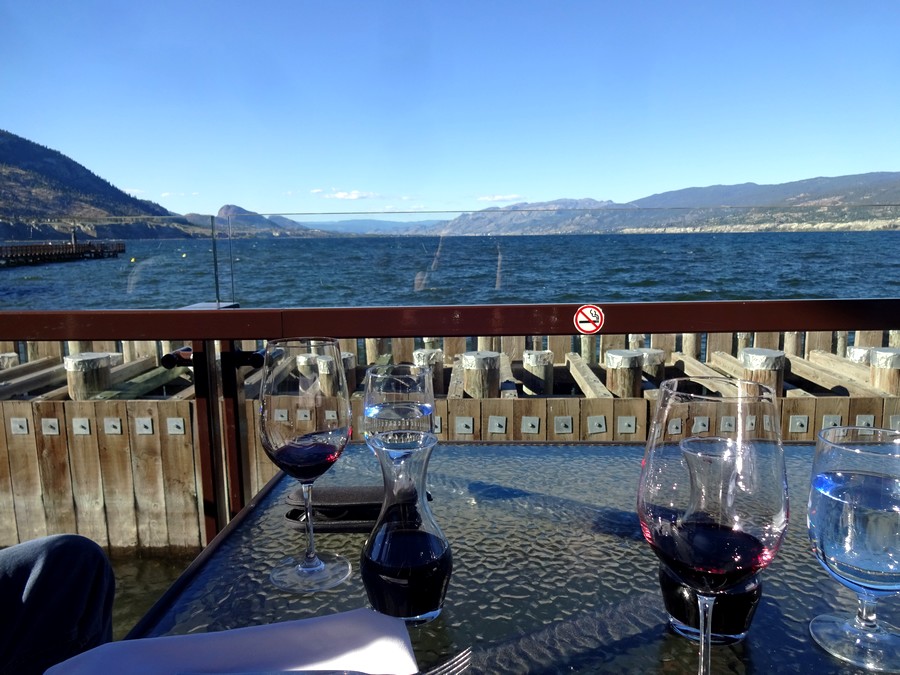
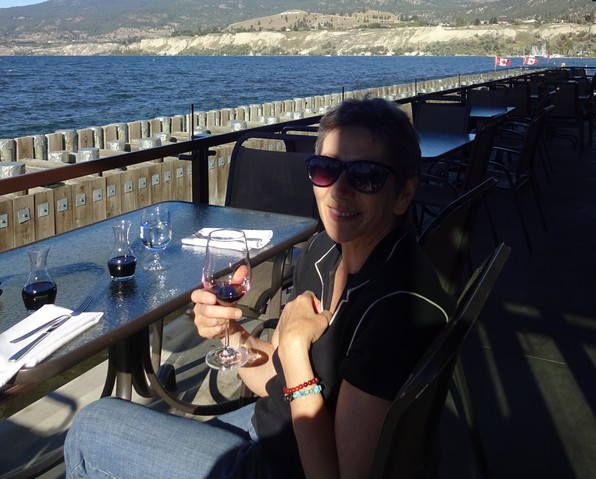
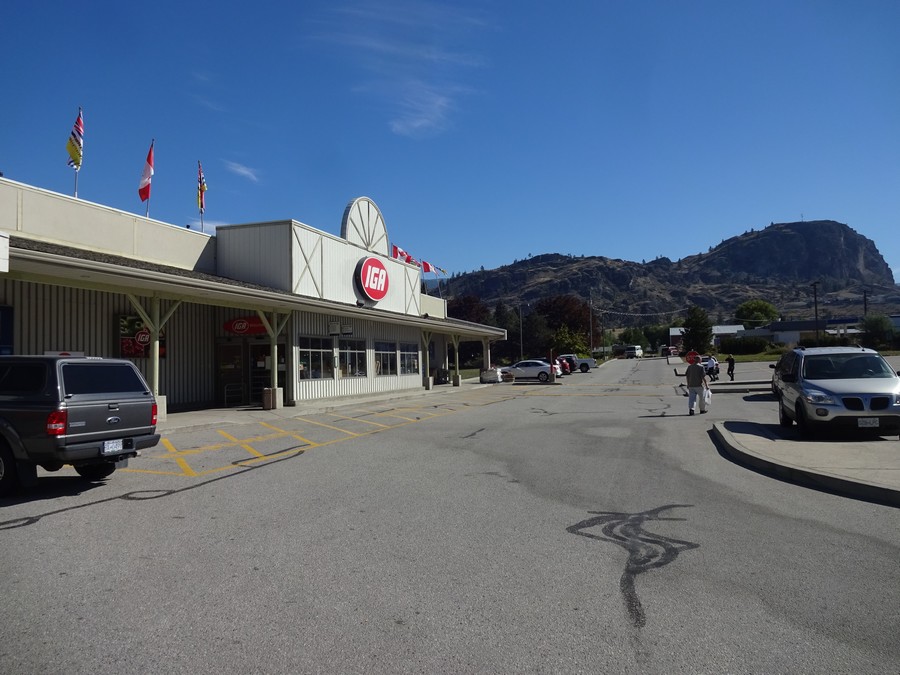 ↓ The pub we always stop at for lunch is closed. As in forever. We aren’t surprised. The guy was a bit of a schmuck. And the patio was always closed.
↑ We start a new schmuckless tradition.
 ↓ At our remote campsite there is a copse of chokecherries. Also a mother bear and two cubs feeding on them.
↑ We move to a very nice trailer park.
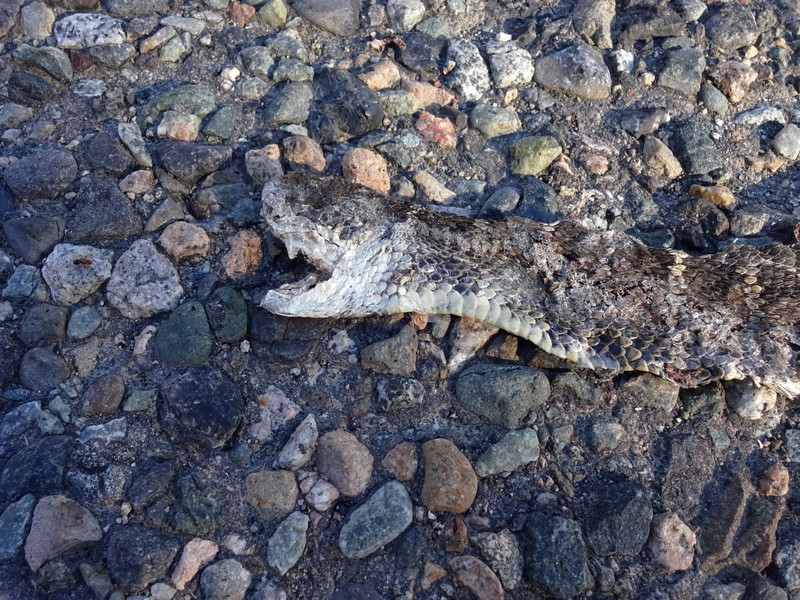
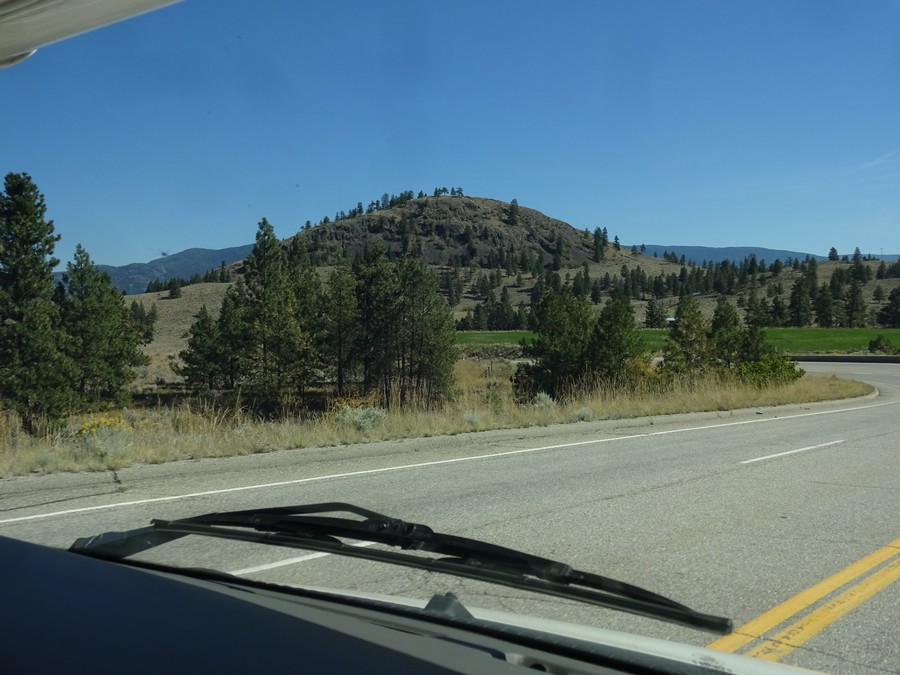 ↓ We are warned about rattlesnakes in the area. Oh sure, we say. Pull the other one, hahaha! But on a walk we hear what sounds like a rattle. We don’t stick around poking shrubs and rocks to see what it is.
↑ We feel wise to not care to see what it is.
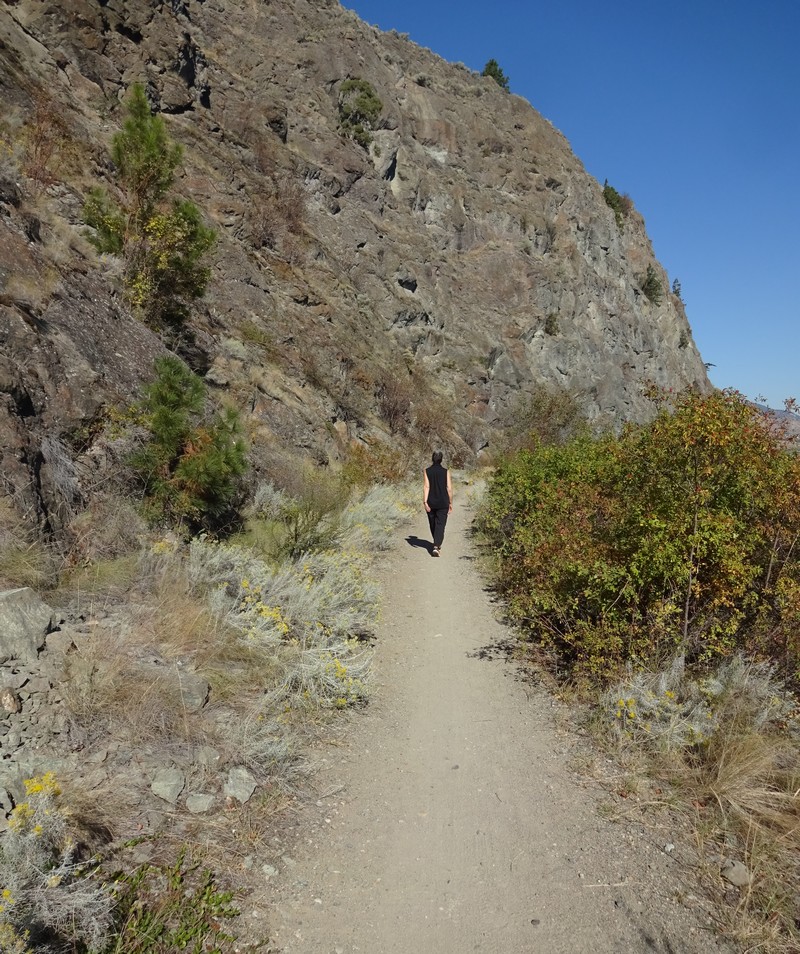
 ↓ The lake we are on is freezing cold.
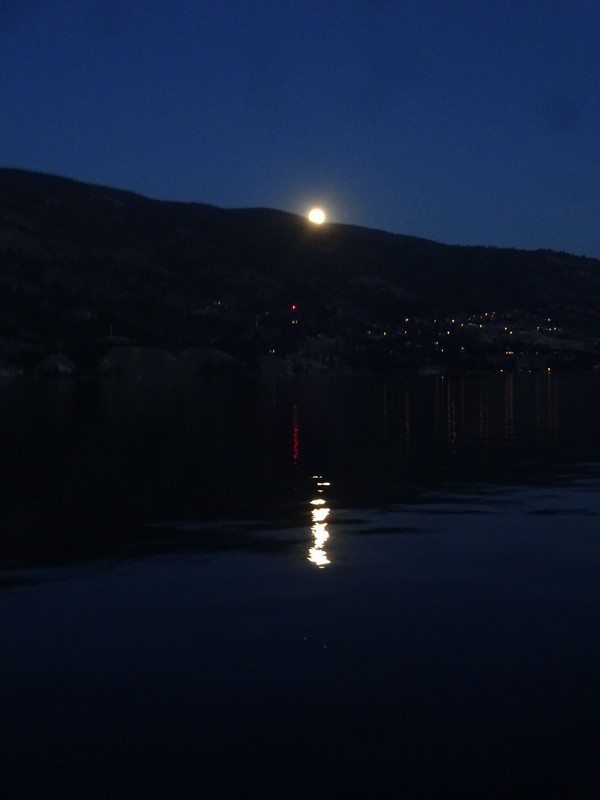
↑ It’s also clear and sandy bottomed and shallow and the sun comes up over the hills that surround it. And the moon too. I swim every day.
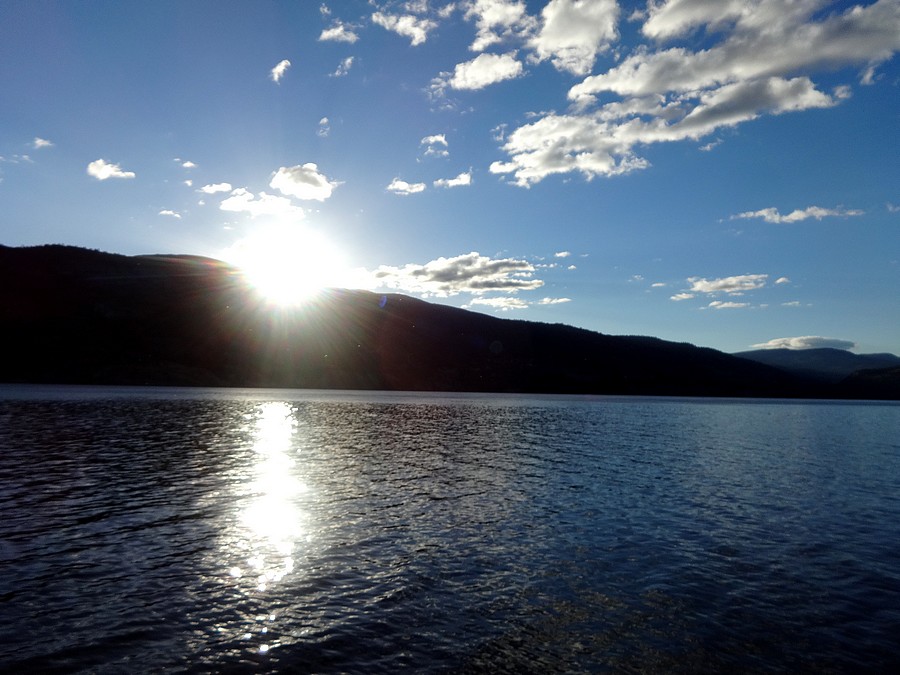
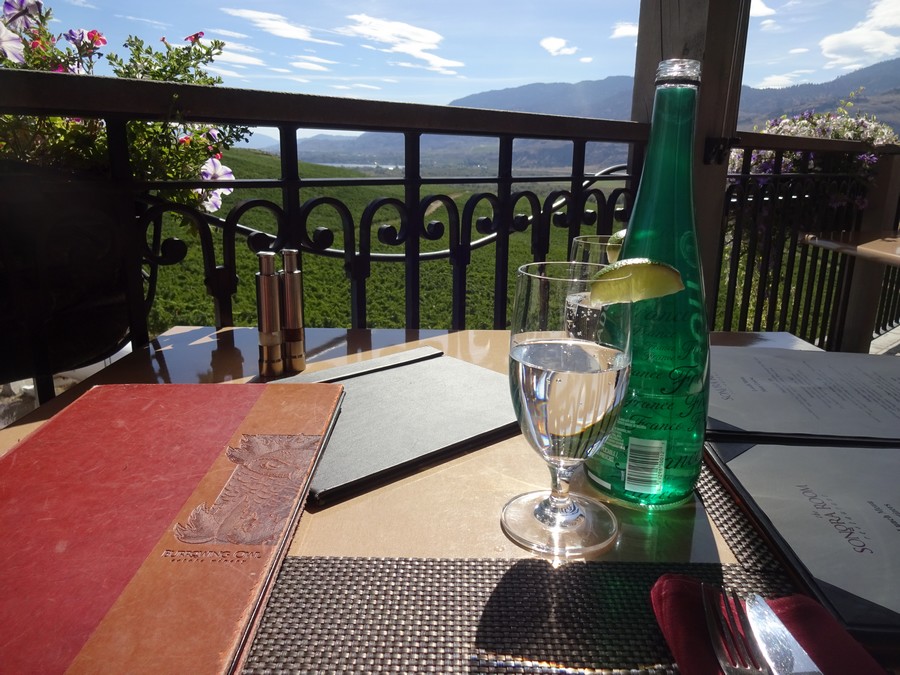
 ↓ We go to lunch at a swanky place but the sun is so hot on the patio….
↑ Oh suck it up already.
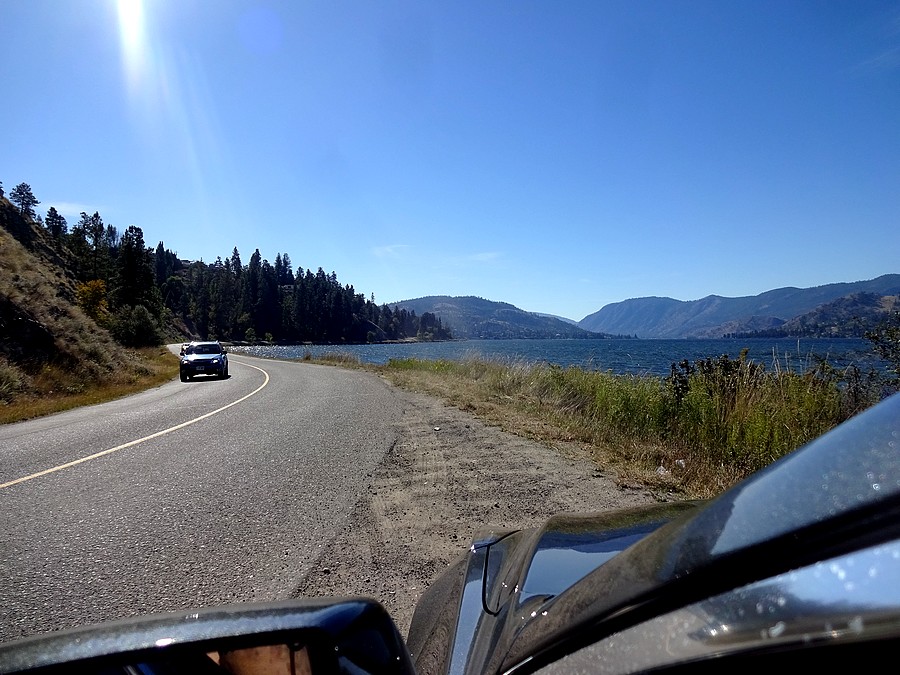
 ↓ I’m lost trying to find a road around the lake.
↑ The nicest people work at the Carmi Motor Inn. And they know directions.
 ↓ I go to a small town tourist info place and ask what there is to see. “Not much,” the guy tells me. He’s 81, he says, and has lived there for thirty something years and not much goes on and that’s the way he likes it.
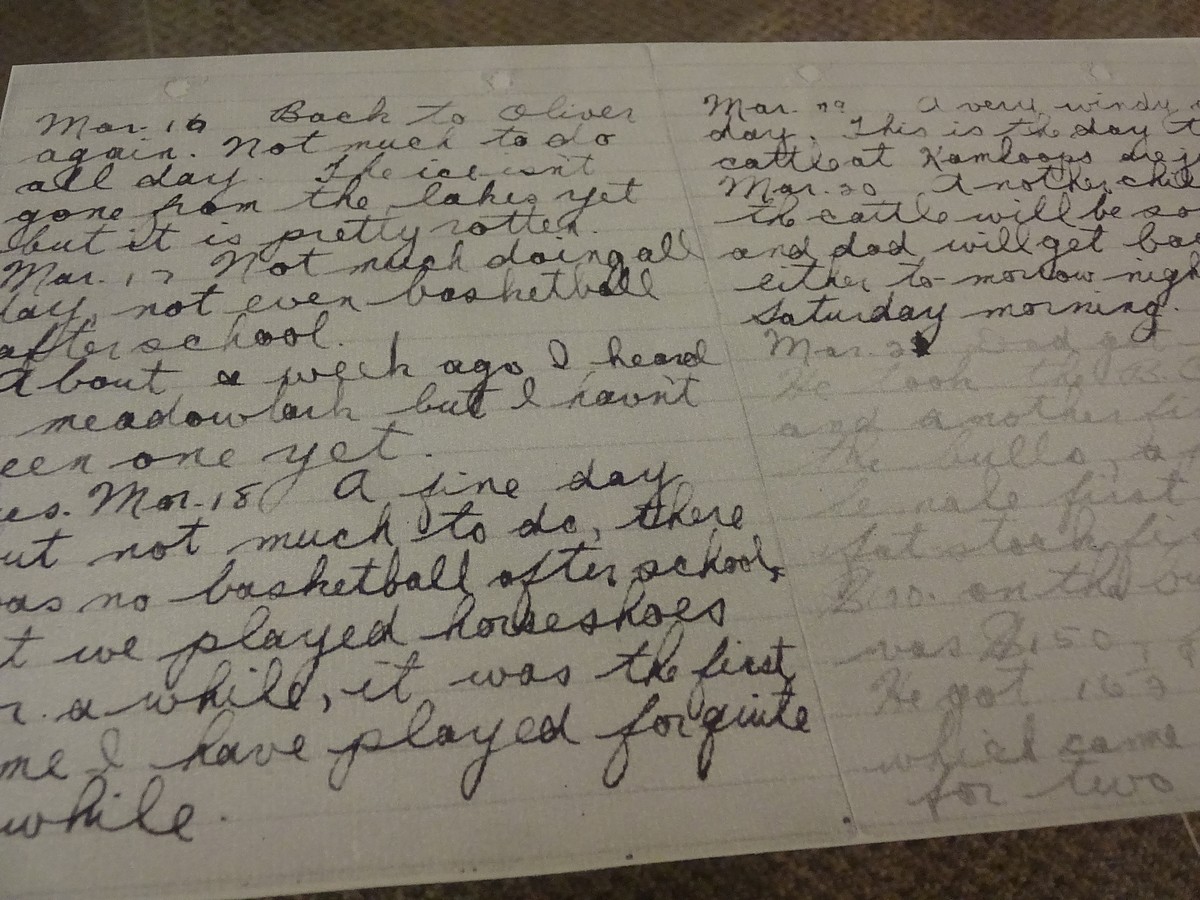
↑ In the same town I find a small museum which is really just some pioneery things in an old house. My favourite thing is an old journal from the area that reads: “March 16th … Not much to do all day… March 17th… Not much doing all day, not even basketball after school… About a week ago I heard a meadowlark but haven’t heard one since… March 18th… A fine day but not much to do…”
 ↓ The Honey BooBoo family moves in to the camp site next to ours. The children throw stones at ducks and are so addle minded that their poor addle minded mother must yell at them constantly to do the simplest things, like not fall into the fire, etc. When we suggest they do not use ducks as target practice the mother chimes in with YES!!! RILEY AND DAYTON!!! THAT’S VERY INAPPROPRIATE BEHAVIOUR!!!! Everything they say is at a strange heightened volume as if perhaps they are used to living many kilometres apart and must communicate via open doorways and wind currents.
↑ When we ask if there’s another site we can move to, not only is there one, it happens to be the nicest site in the whole place. Thank you, Honey BooBoo.
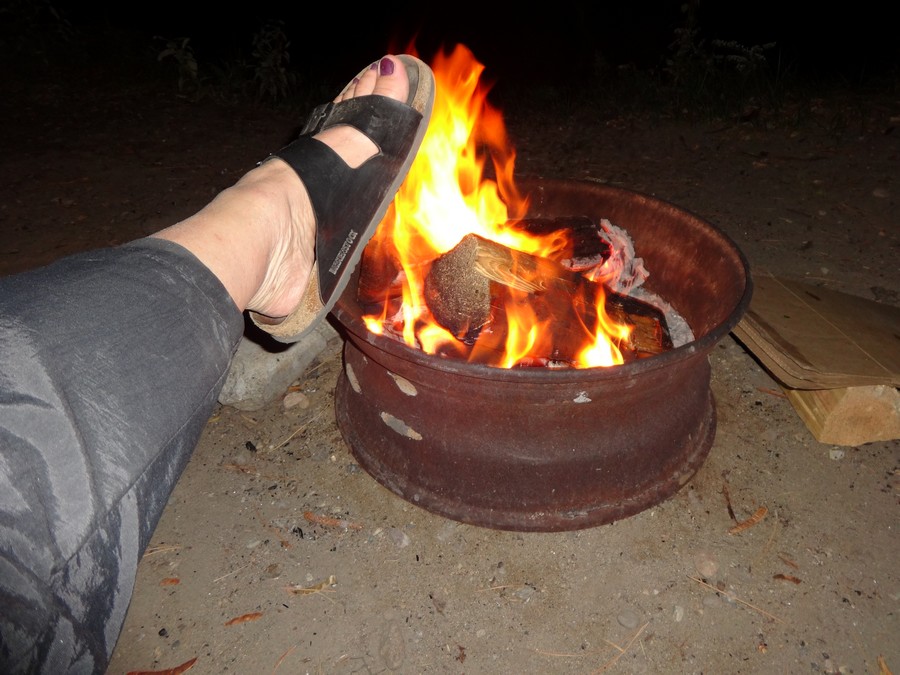

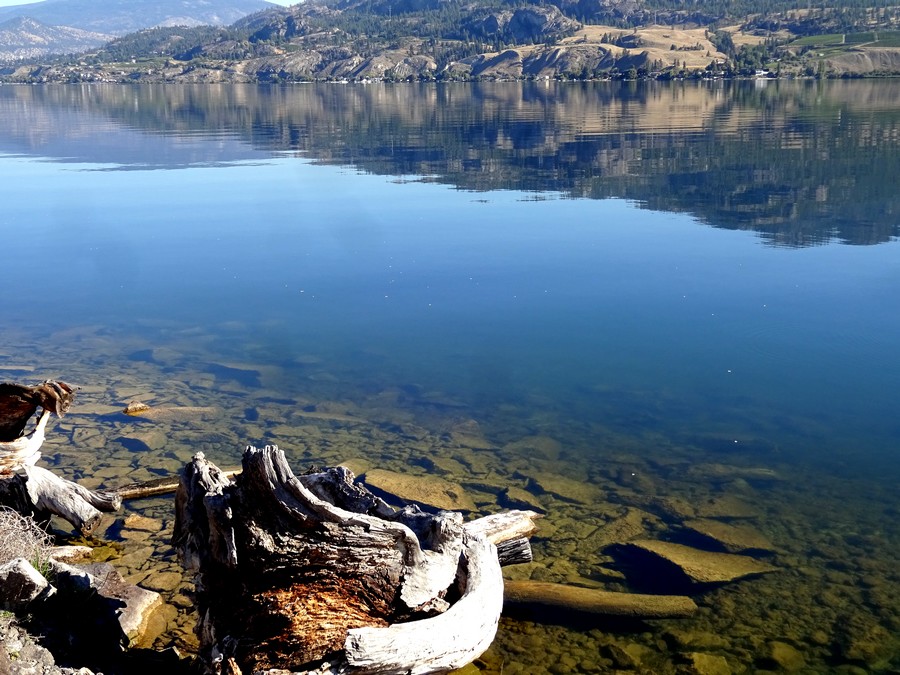
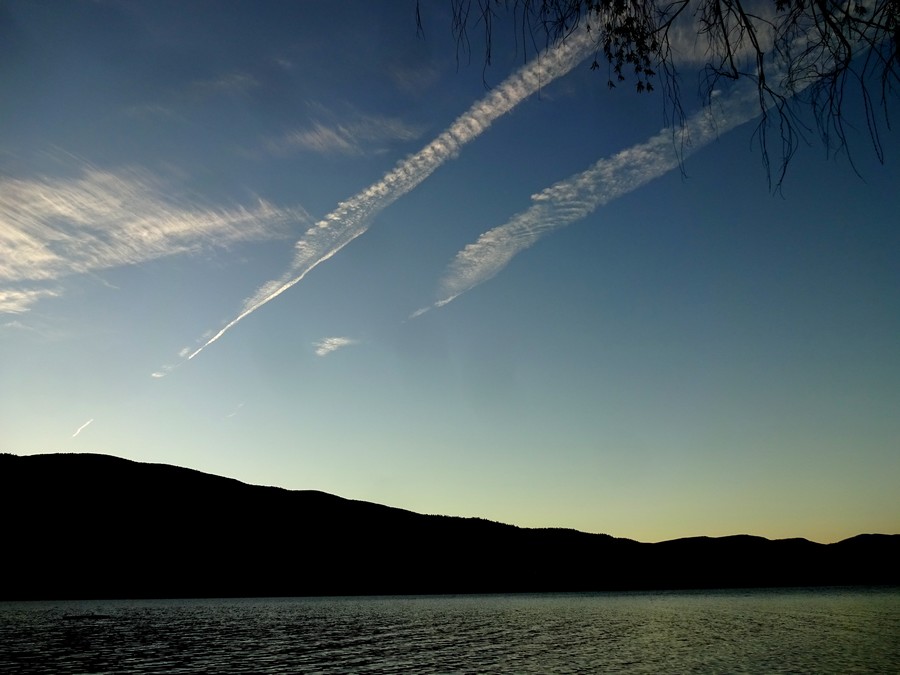
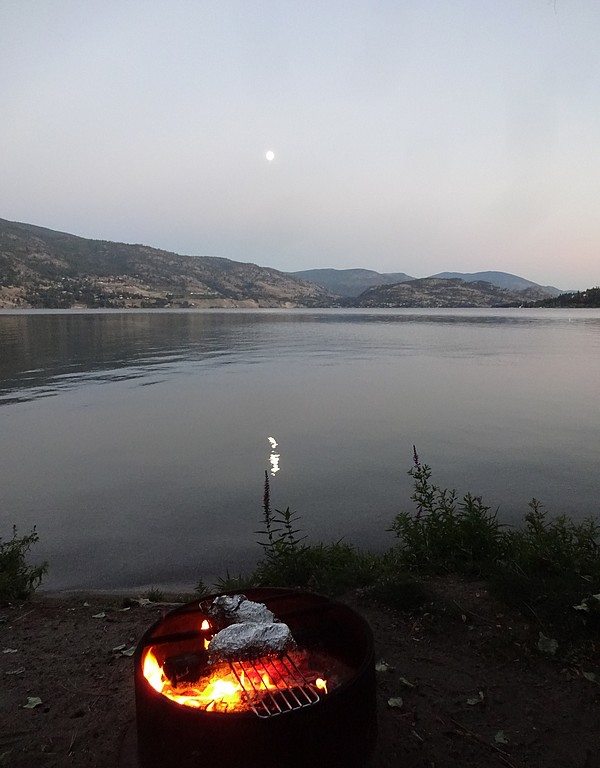
 ↓ We run out of olive oil. (And, in keeping with iron man rules, are not allowed to buy more.)
↑ My honey picks me a consolation bloom.
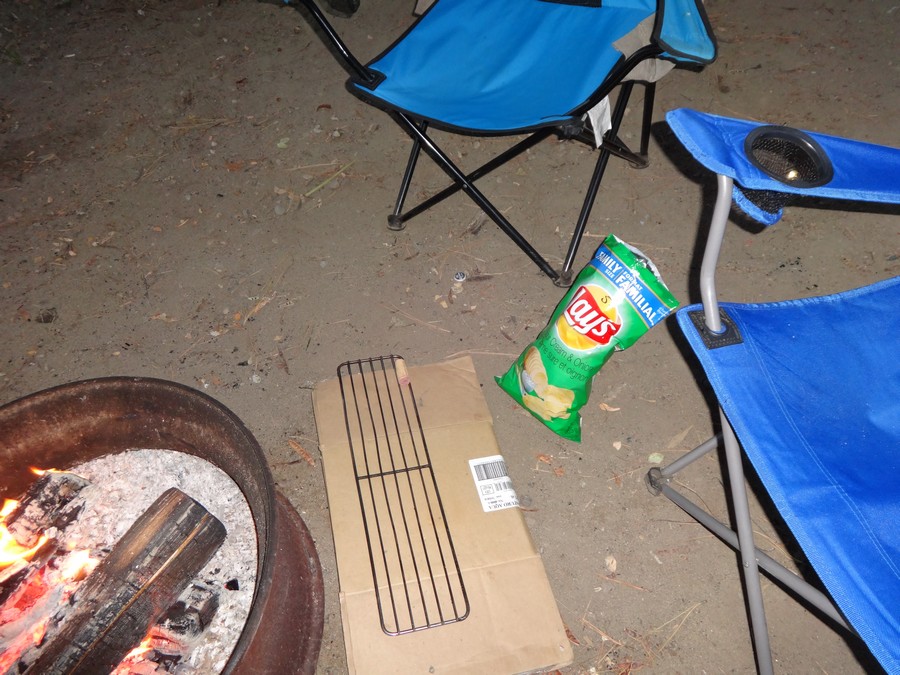
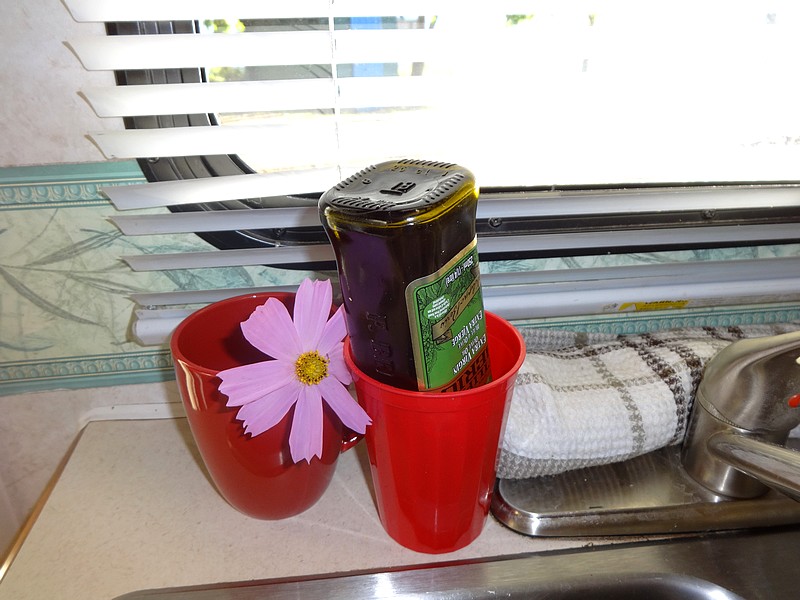 ↓ We run out of chips.
↑ We buy more at the canteen. Chips are the exception to the iron man rule.
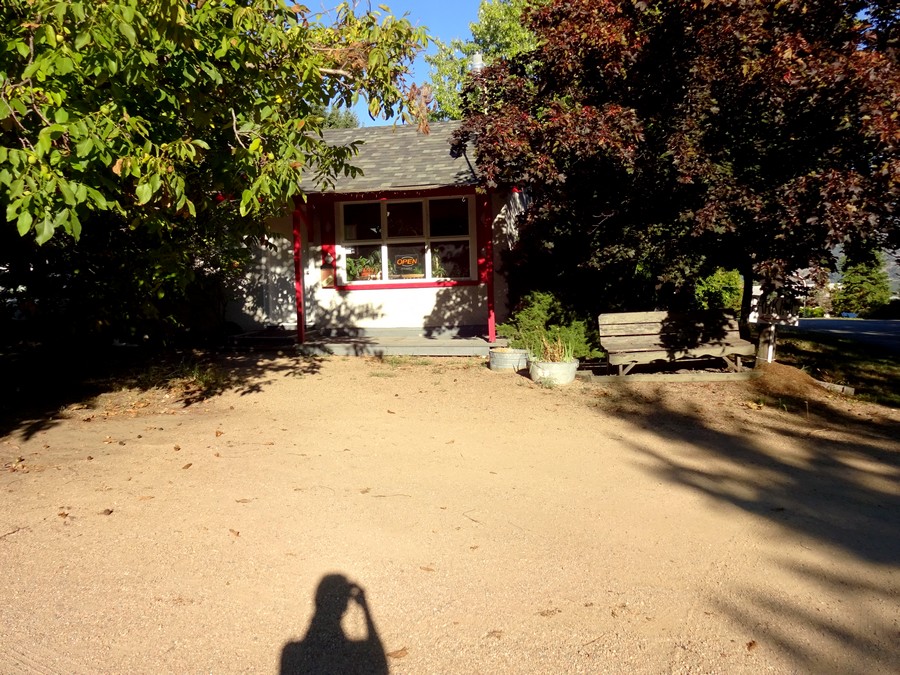
↑ Then we find a little house in the woods that sells homemade perogies and once again break the iron man rule.
↓ We are punished by the perogies overcooking themselves into inedible mush. We are grateful for chips.
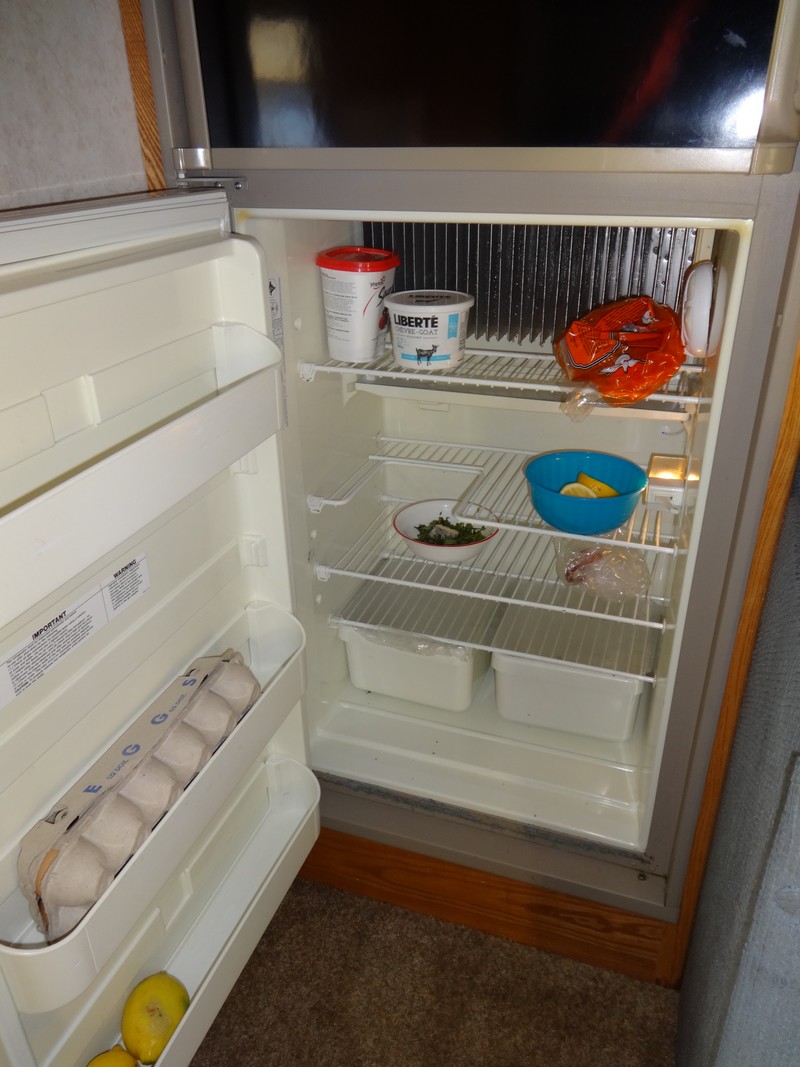
 ↑↓ On our last morning, the fridge is almost bare. (This is both good and not good.)
↓ The chips are gone.
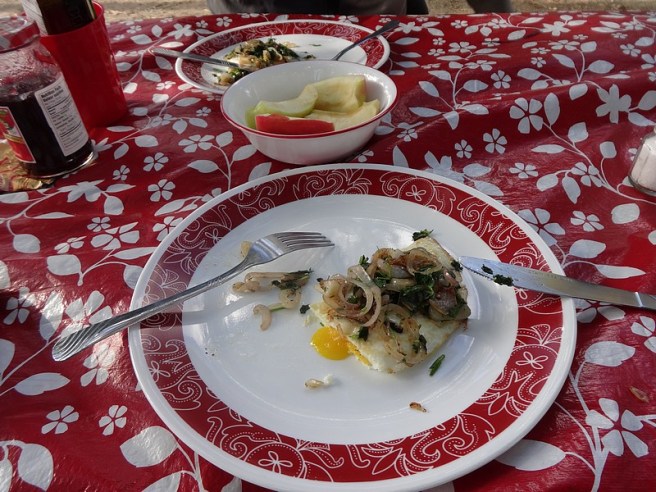
↔ Our remaining iron man ingredients are lemons, coriander, two eggs. two slices of bread, a tiny crumble of blue cheese, onions, a few spoonfuls of yoghurt, one perfect pear.
↑ Breakfast, just before leaving — lemony eggs benedict without the hollandaise or the peameal. And a fruit cup.
Embrace the yin yang.
♦
Other (not always) wordless friends:
Cheryl Andrews
Allison Howard
Barbara Lambert
Allyson Latta
Elizabeth Yeoman
Me on George the tawny horse with a butterscotch mane at the trail ride stables. I say to the trail guide, “Take one of just me and George… I want to put it in my office to look at every day.” George is magnificent and uninspired to moving too quickly. His whole raison d’etre being to follow the lead horse at a reasonable pace and sneak the occasional bit of greenery, which is often as I have no ability to use the reins and George knows this. We are happy together.
Kayla the trail guide. All blonde hair and freckles, a country lass unaware of her sweetness and the charm of her stories about being home-schooled and how she lives for horses, has five part-time jobs to keep one horse and how a horse will tell you what’s wrong with you, emotionally or physically, because if you spend enough time with it the horse takes on your problems and you can see yourself in them like a mirror.
Children in my house eating watermelon and jumping on a mini trampoline. Occasionally at the same time. To which I say: “No choking please… because
I am not in the mood today for children choking in my house.”
Tiny hands shoveling spoonfuls of peaches and ice cream.
Tiny hands picking fat blackberries. Also argument over how there isn’t an equal number of ripe ones for all three sets of hands.
Three orders of poutine at the beach. Most of which is eaten. None of which is mine. Mine is an order of fries.
Seagulls awaiting poutine.
Flip-flops flopping in the water. Until they’re nearly stolen by the lake and the better idea by the wearer of the flip-flops is that I carry them.
Skinny legged beach cartwheels. Dozens it seems, one sweeter than the next. Not mine, by the way. I have neither skinny legs nor ever been able to master the sweet cartwheel… only the kind that goes by a different description. After that, some other gymnastic moves that need only ribbons to make them an Olympic event. (Now there we have something I’m good at: ribbon dancing.)
Lad skipping stones. Correction. Lad trying to skip stones. Lads, I discover, aren’t especially amused when aunties come along and say Want me to show you how it’s done? And then do.
And other stones. Especially those as described in the wonderful Pinny in Summer, which is read aloud to the soundtrack of Lake Ontario waves. (Smiles all around when we find JUST THE PERFECT ONE.)
Cloud shaped like the skeleton of a rabbit. Sad but true.
A radiant palm holding five colours of beach glass: white, green, dark blue, brown and possibly yellow, or just pale pale brown. Either way, ridiculously exciting haul.
♦

 HulahoopFreshiePlasticSwimmingPoolSprinklersWatermelonFlipFlops
BeachBeachGlassHeatHeatHeatBareLegsOnGrassLightUntilAlmostTenPatio
LightsBBQLightningBugsDragonFliesMonarchs(AndThoseWhiteOnes)Wasps
(Boo!)ShadyPicnicsPeachesMoreWatermelonPopsicles(Cherry)RoadTrips
Shells&Stones&FeathersOnAShelfReadingReadingHammocksReading
Bare feet.
♦
Other (not always) wordless friends:
Cheryl Andrews
Allison Howard
Barbara Lambert
Allyson Latta
Elizabeth Yeoman
♦
Other (not always) wordless friends:
Cheryl Andrews
Allison Howard
Barbara Lambert
Allyson Latta
Elizabeth Yeoman















I was introduced to Ariel Gordon’s work through her essay in Kerry Clare’s anthology of motherhood, The M Word. Strange, perhaps, to discover a poet via an essay but I think, very often, if you like someone’s work in one genre, you’ll also like it in another.
 In any case, that’s what happened here. And happily so.
Turns out Gordon writes about some of my favourite things—the natural world and its intersection with the urban world is a big one. This is especially the case in Stowaways, which, in the chat below, she says was written while cheating on a Thomas Edison inspired manuscript. I love that kind of backstory.
It was my absolute pleasure to have the chance for this back and forth recently with Gordon while she was on retreat in The Pas, Manitoba, and to discuss not only her work, but a few general thoughts on books and writing and the mystery of why poetry isn’t more widely embraced.
As with all (at) Eleven pieces (and for no other reason than I like both food and books and like nothing more than when they find each other) there is a suggested-by-me menu at the end of the Q&A, tailor made for this book.
A million thanks to Ariel Gordon for her generosity in this exchange.
I sincerely hope no retreat writing time was harmed in the process.
And with that, here we go…
♦
What literary character did you want to be as a child?
AG—The first novel I read through on my own was E.B. White’s Charlotte’s Web, followed by Frank Herbert’s Dune. I don’t think I wanted to be any of the characters. I was just so thrilled to be myself, plowing through books like it reading-on-my-own was a new technology or a dormant superpower. The character I probably identified with most strongly with was Valancy Stirling in L.M. Montgomery’s The Blue Castle. But that was mostly mopey-teenager wish-fulfillment: “No one understands me! I am not beautiful! I will go live in a romantical cabin in the woods all by myself!”
Also, it gave me my first example of a working nature writer. Though Barney Snaith was pretty immature/mopey, come to think of it…
I’m interested in how people come to various forms. How did poetry find you? Also, do you have any memory of one your earliest pieces?
AG—I don’t recall the poem so much as the experience of writing it. In junior high, my Language Arts/Computer Science teacher, Ron Lamoureux, used what I now know is a fairly standard CW exercise to get us writing. But back then, it was incredible. He turned off the lights! And played boisterous classical music! And told us to write!
It was great fun. Not being able to see the page meant that my handwriting was big and loopy and ran everywhere on the page. All I had to do was follow the images the music presented me with and write them down, even if I might not be able to read my handwriting later.
After a few months of similar prompts, he compiled a booklet of poems and we launched them in the school gym. I think I even read my poem! Out loud!
During that time, I was also working on a fantasy novel I started when I was 13, on the computer my father’s employers gave him for home use. He never used it that I could tell, but I immediately started working on my book. Of course, every year I had to spend a lot of time revising the previous year’s writing, but it was immensely satisfying. I filled notebooks with drawings of my characters and pictures I ripped from magazines that resembled what I thought the world I was creating looked like. I even tried to come up with my own language…
I kept writing that book until I was 19 and in my second year of university. At the same time, I started working for the student newspaper and taking creative writing classes. So I started writing short stories that were the same length as the articles I was writing, about a page and a quarter in Word.
Eventually, these became more compact and started to look more like poems. And then I started calling myself a poet.
Do you still enjoy the revision part of the process?
AG—Writing is re-writing. I like the rush of first draft, but I’m under no illusion (most of the time) that the finished poem (or article or essay) will look anything like it.
You might say that I’m in a long-term relationship with revision. Which is to say: it’s hard work but it’s work that I love, that I’ve chosen.
Are there books you like to go back and re-read?
AG—Thanks to the home-reading program at my daughter’s school I’ve been actively rereading Asterix et Obelix and Barbapapa comics. Luckily, her teachers are also sentimental former French-Immersion kids! I also recently re-read some of the slim fantasy novels of my youth, including Anne McCaffrey’s Dragonsong. (More angsty-teenager wish-fulfilment, as it turns out, except in this case it involved massive talent going to waste because of misogyny…)
I re-read Robert Kroetsch’s early novels—The Studhorse Man and Badlands in particular—every few years.
But other than that, there’s so much to read out there that I don’t often deliberately go back, especially over the last couple of years where I focused my reading on non-fiction as my writing practice expanded to include non-fiction. Which means that I’m the worst-read person in a variety of genres, given that I read fiction, non-fiction, and poetry. Oh and comics.
I was speaking with a friend recently, someone who doesn’t read a lot of (any) poetry, but she’s a voracious reader in other forms. We talked about The Why of ‘poetry fear’, which she admits to having … and schools came into things, as in the way most of us are introduced to it… and the poems we’re introduced to. That feeling of dread rather than pleasure sticks in some way. We’re talking another generation of course; maybe things are different now. I’ve heard of excellent programs at the college and university levels but I wonder what kids are being taught in high school, poetry-wise.
AG—I had an English teacher in grades 9 & 10 who was at the very end of her career. And she made us pin down & analyze poems. Although it was obvious that she had great passion for poetry, she had decided what the correct meaning was of each poem and wouldn’t accept any other interpretations. She also didn’t teach any contemporary Canadian poetry.
More fatally, I gave her one of my stories to look at and she not only covered it in red ink, she gave me a lecture on the fact that none of her students, in thirty years of teaching, had ever become a writer. How the school system wasn’t designed to create writers.
Now this wasn’t much of a discouragement; I kept writing and found other teachers to share my work with.
But in first year university, when I was sitting in my 20th Century Lit class and we were starting our poetry unit, I put my hand up and said: “Deborah, I just want to say that I don’t like poetry.” Deborah being Deborah Schnitzer, who has published several books of poetry and experimental fiction.
She just said, “Oh, Ariel, you don’t,” in her amused, musical voice, and as it turns out, I was writing poems by the end of the year.
And later, when my first book of poems came out, my old English teacher showed up at the bookstore where I was working and very pointedly bought a copy of the book. It was like it was her penance…
My daughter is in grade four now and she’s already read and written poetry in her classes, so I’m not worried…
What about themes… are you ever surprised by a recurring theme in your work? Is there something you find yourself drawn to writing about without even realizing it until after you read the work?
AG—I’ll answer this, but first, I want to get you to answer a theme question:
“What do you think are the themes at work in Stowaways? Were they on the surface or did they creep up on you, like the references to sound?”
(The reason I ask is that you have no idea how hard it is to talk about themes. They’re largely subconscious during the writing, unless the poet is working on a highly conceptual project from the get-go, but then the poet has to be prepared to sharpen them, acknowledge them, in the editing and, also, the promotion of the book.)
Yes, I get the difficulty of theme talk/identification, but mostly from a fiction pov, which is where most of my work lives. A friend of mine once said she only knows what her books are about when she reads the reviews. Haha!
I wonder how this is the same or different with poetry. In what way it might be harder to discuss themes, which I assume it is because poetry is just that much more bare naked. I’m thinking of the difference between, for example, a collection of short stories vs a collection of poetry… insofar as how they’re put together thematically. I suspect there are similarities, in that they are rarely ‘written’ that way at all. It just happens, or doesn’t, or there’s some (even tangential) similarity between pieces that readers and critics can feast on. And once arranged, there’s an alchemy sometimes…
AG—Part of the reason I asked too, was that I know what I think Stowaways is about. I wrote the catalogue copy, for instance. But I’m always curious to see what other people think it’s about. Because part of publishing writing is about being in dialogue with the people reading it.
For me, the themes in ‘Stowaways’ are 1) the foibles of human nature and the way we butt up against nature, our own and the other kind, and 2) nature, the marvel of it, the way it’s there, no matter what we do; life, death, cycles, the real deal of it. The ‘How To’ section, for instance, is gorgeous in the honesty of its ‘human natureness’.
AG—Thank you for that. (Sucking on your descriptions like they were small candies…)
The majority of the poems in Stowaways were written when I was cheating on what was supposed to be my ‘next’ book, a collection of poems on Thomas Edison. I conceived of it while editing Hump, my first book, but didn’t realize how much of a leap it would be from the first-person, experiential poems I had written to poems written from the point of view of a variety of characters that drew heavily on the technology and language of Edison’s era. I also had to set the ms. down for almost a year while promoting Hump, which may have starved it. TO DEATH.
So, as I attempted to revive the Edison ms, as I butted heads with what I knew and didn’t know and what I would have to accomplish in the poems, I would sneak off and write poems about my day-to-day. More mothering poems. Urban nature poems. How-to poems, which I based on wikiHows and were a way to force myself to write when I wasn’t feeling inspired. I also did an image/text collaboration with Darryl Joel Berger, a writer and visual artist based in Kingston.
The whole time I felt bad for not being able to force my way back into the Edison ms. I literally felt like I was cheating on my arts practice.
Then my publisher came to me and asked if I had my next book ready. Which was an enormous relief, even a compliment, but I was NOT ready for that question.
But it was asked, so I looked at the poorly-lit rooms of the Edison ms. and realized it wasn’t even CLOSE to being finished. But instead of confessing all of this to my publisher, I said, “Yes, I should have something. When would you need it for?”
And then I got to work. I admitted (to myself at least) that I couldn’t make the Edison ms. work with my current skill set and resources. And then I started collecting all my cheating poems, every dinky little poem I’d written when not putting my head down and running at the Edison ms. like a goat. Or a bison, because I like them better.
And holy shit, I had three-quarters of a book that seemed to hang together, thematically, even though the poems weren’t written with any larger project in mind. And I had six months before this new manuscript was due.
So I wrote more poems. I wrote every poem I could think of. And I was terrified they wouldn’t be good enough, because they were so very new, but my editor thought they hung together too…
To me, Stowaways is about living in cities and trying to figure out how to be both an animal and a human. Figuring out how to connect to the people around me AND the flora/fauna. They’re about how life and death our every day is, from rescuing the adolescent merlin that lived in the tree next to my house after he crashed-landed to figuring out how to be in a long-term relationship.
(Are those themes? I told you I was bad at knowing my own themes…)
Oh, I love this background. You could have called the book ‘Cheating on Edison’. Of course I’m going to re-read the poems now with this in mind and see if I can find the influences…
It’s strange how we do this, how we (think we) are focussed on one thing but really, our minds are building a whole ‘other’. (We could call it the Edison Syndrome!) It applies to any form, I think. The way someone spends five years writing a novel about the relationship between character A and B and then in year six realizes it’s actually about character D and K. Fortunately, you trusted your instinct and ‘cheated’. Smart move. It wasn’t the Edison book’s time.
What didn’t the Edison project allow you to explore that brought your thinking to what became ‘Stowaways’?
AG—Trusted/distrusted, more like. But that’s completely par for the course in my writing life: I’m the most patient impatient person you’ll ever meet.
In some ways, Stowaways seems like a natural bridge between Hump and the Edison ms. (though I STILL haven’t gotten it up and running again…): voice poems, long poems, poems that borrow and steal from instruction manuals. “How to Learn Morse Code” is obviously a remnant of the Edison ms., but I think I would have been attracted to it even if I hadn’t been Edison-obsessed. Just like I was attracted to “How to Survive Flooding.” They’re meaty subjects. I think “Apparent Magnitude: The Finlay 15P,” a long poem about comets, barn swallows, and the death/disappointment of one’s parents towards the end of Stowaways is my formal apology to the Edison ms.
Maybe I’ll finish the Edison ms. some day. Maybe not. Maybe it’ll be my star-crossed ms.
The more I write, the more I realize that writing is about discarding writing. Not so much killing your darlings so much as leaving them behind. (“I’ll think about you every time I turn on a light, dear one…”) The infuriating thing about the Edison ms., why I fought it for so long, is that I still felt that the poems I’d written had a lot of juice. It was like a weak battery: it would jolt me every so often.
What about you? What are you working on? Have you ever had a ms. go limp?
I see what you mean about the bridge between Hump and the Edison idea.
I haven’t read Hump, but one description calls it “a mash-up of pregnancy-and-mothering poems and urban/nature/love poems that functions as an anti-sentiment manifesto”. Which pretty much tells me a niece of mine will love it. I’ll include the poem ‘Primipara’ from Stowaways, which feels like a wonderfully twisted paean, brave in how it honours the work of mothering so honestly. (My niece is a ‘hood-dwelling, tough nosed, soft hearted boxer who is devoted to her twin 16 year old boys.) Can you tell me about ‘Primipara’… its origins. And why isn’t this word in common usage, given how many women are ‘it’? And I wonder if there’s a word for women who have ‘borne just two children’.
AG–I wrote that description. And given that one of my favourite expressions is “I like my tea as black as my heart,” your niece and I would probably hit it off. (Or hate each other…)
“Primipara” came out of a co-worker announcing that what they thought was going to be their oops-third-child was actually going to be their oops-third-AND-fourth-child, three weeks before they were due. My daughter was two or three at this point. I instantly felt the tickle of an imminent poem. All I had to do, when sitting down to write, was try to imagine that happening to me, as someone who hadn’t necessarily wanted ANY children, and then go straight to best worst-case scenario I could think of. And then, because I’m sort of a jerk, I gave the finished poem to my co-worker to share with his wife.
But I wasn’t finished with the poem. I wrote an essay of the same name for Kerry Clare’s The M Word: Conversations About Motherhood anthology. (Which you may recall, as I believe you reviewed it for your blog…) The essay called “Primipara” also included the poem “Primipara”. The essay was about only wanting one child, about trading a larger family for my writing practice, about siblings and cousins and nieces and how my daughter would have none of them. Compared to the poem, it wasn’t at ALL fun to write. But it got me re-started writing non-fiction, which I’m grateful for.
I stole the title from a medical dictionary, which is what I do when I don’t immediately have a title for poems: I troll dictionaries. (I like RhymeZone and OneLook). And I’ve had to re-look it up, but I believe the term is “secundipara” for two. Also, the term “primipara” is apparently more complex than I’d first thought:
“A woman who has had one pregnancy that resulted in a fetus that attained a weight of 500g or a gestational age of 20 weeks, regardless of whether the infant was living at birth or whether it was a single or multiple birth.” http://medical-dictionary.thefreedictionary.com/primipara
So it has more to do with the number of pregnancies a woman has had, not how many children she’s wound up with. So my co-worker’s wife would theoretically only be a tertipara. But then, I have no idea how many pregnancies she’s had…what an odd way to categorize someone, eh? I’m not sure why it would be at all relevant, medically.
Which is why I had to poem it.
To answer your question about mss that go limp… what I find happens more often is that great chunks are sliced out for the sin of pointless distraction and clutter. But of course that causes a domino effect, things need to be rebuilt with fewer sticks and sometimes it becomes obvious there are not enough sticks. I’m thinking limp is something different. It implies a sense that resuscitation is possible…
AG—For me is more about the energy of a work. You can trim a dead poem as much as you want. It’s still dead.
The poems (or mss.) that still have a breath of life in them are the most frustrating, because they tantalize you for years. And you think, “Maybe if I try this. Or that.” And it still lies there, it’s mostly-dead eyes glinting at you.
Apart from the ‘commentary’ of the birds that runs through the first section of the book (although ‘apart’ isn’t quite right given how ‘part of’ the whole these voices are) the collection is wonderfully rife with sound. A thud, a purr, a daughter’s chirp; twilight screams, pipes clang and “trains clatter by & fat horses delicately cross tracks, hooves striking steel: Thump”. There are hums, roars, radios blaring, soft snores, sympathetic howls, “the river’s thousand tinkling chandeliers”, a click of shutters, sirens at Portage and Main, yodelling, squealing, noisy suckling, the clacking of chopsticks. All of which is presented so subtly that I was well into the book before it occurred to me that I was hearing (the soundtrack) as well as reading the poems.
In one of my favourite pieces, ‘How to See Deer’ you present what feels like the perfect balance of human and nature: “Boots on snow. Boots on snow. Birdsong.” The heartbeat of it! So, the question is this: Is sound an element of your work that surprises you when you realize it’s there, or is it a more conscious effort to capture it? (And please tell me about the bird voices!)
AG—My work tends to be very visual and based in the urban-natural world. So: lots of movement, lots of colour, a fair amount of narrative. But I want to make the work as complete as possible, so I try to bring in the other senses. How things feel and how they sound are easiest for me, as I have almost no sense of smell.
I included the birdsong because it made me happy.
I included the birdsong because I realized that I had birds in the poems that weren’t making any sound. And they make immense amounts of noise. (I’m sitting here with the window open, writing these responses and I can hear probably 10-15 different bird calls. I can’t identify any of them, of course, but they’re part of the ambient noise, like trucks on the road, like wind moving through the trees, like the hum of the fridge.)
The inclusion of the phonetic spellings of the birdsong came from the bits of research I’d do on the creatures I was writing about. I really liked that people had figured out how to describe birdcall in words, which seemed to be similar work to what I was doing as a poet, describing things-in-the-world using words, using words to create images, textures, moods. I tend to use a fair bit of internal rhyme as well, so I’m always aware of vowel and consonant sounds and how they’re arrayed in the poems.
So I wanted to include the birdsong SOMEHOW. The reason they’re not in the poems themselves is that I didn’t want to be hooting and cawing at readings. I’m performative, but not THAT performative. I was worried I’d giggle instead of cooing properly, you know? (Although Yvonne Blomer, who did a book largely focused on birds called As If a Raven, published in the same season as me, managed it. It became my favourite part of our joint readings…)
One of the things I’d love to talk about more, generally, with poets is the fear readers have of poetry. The worry of not ‘getting’ something. I think it keeps it at arm’s length in a way that other forms of writing aren’t kept.
AG—That fear is why I do so many readings, because I want to convince people that they shouldn’t be afraid of poetry. That It’s all just human conversation, that much of it is playful and fun. That they don’t have to worry about knowing terminology to “get it,” the way that you don’t have to know anything about music to listen to music or to appreciate it.
I think you convert people to poetry it one person at a time. One poem at a time, even. So I’m always glad when someone comes up to me after an event and says something like “Well, I’ve never been to a reading before, but that was great…” or “I came for X fiction writer, but I really enjoyed your poetry.”
You’ve been on retreat throughout this Q&A. How important is retreat to your writing practice?
AG—Essential. I tend to get more writing done, in terms of overall volume, in my everyday than while on retreat, but those weeks to myself are essential for shifting my thinking, for rebooting my tired brain. Also, I get to catch up on sleep…
For instance, this trip was three weeks and featured two weeks of writing. By the end of the third week, I looked in the mirror and realized that I hadn’t thought about lip gloss or bundling up the recycling or whether or not Anna needed a new pair of sneakers—all those points of contact we have with the world, all those daily tasks we wear like neckties—for quite a while.
Also, because I’m a poet I’ll probably never make a million dollars from my writing. So borrowing someone’s house in north/central Manitoba for three weeks or going to an ‘official’ retreat somewhere is my low-cost way of seeing the world.
Okay. My favourite question (and please forgive me if you hate it): What question would you like to be asked about the book that you’re never asked? And your answer.
AG—“Why are you SO brilliant and yet still SO unknown?”
More seriously, I have a hard time answering this question, because part of the delight in being interviewed is getting to see the work through the interviewer’s eyes, at least briefly. I also like noticing patterns in what people ask about, out of all the things they could ask about, you know?
I suppose I’d like to have more conversations about urban nature, about place, and how I’m sneaking up on eco-poetry in Stowaways. About making lowercase “p” political art. About humour as a defence mechanism.
Choices:
Pen or keyboard? Both.
Cake or cheese? I like cake—deep dark chocolate in particular—but eat way more cheese.
Heat wave or deep freeze? Deep freeze. You can always put on another sweater but you can’t take off your skin.
Chanterelles or truffles? Neither: stinkhorns and lobster mushrooms and dead man’s fingers…
Haiku or Ghazal? For most of my writing life, I’ve resisted forms, but lately I’ve been writing glosas. (Here’s one of them: http://scholars.wlu.ca/thegoose/vol14/iss2/35/)
Stage or Film? Film, though mostly because film is more available to me…
Ocean or lake? Grew up swimming in lakes. Still very intrigued by oceans, though the salt just kills me…
♦
 Matilda’s Menu for Stowaways:
(with a centrepiece of peonies)
Ariel Gordon is a Winnipeg writer. Her second collection of poetry, Stowaways (Palimpsest Press, 2014), won the 2015 Lansdowne Prize for  Poetry. Current projects include creative non-fiction about Winnipeg’s urban forest, which is slated for publication in 2018 with Wolsak & Wynn and an anthology of texts about menstruation, co-edited with Rosanna Deerchild and Tanis MacDonald.
She can be found at http://janedayreader.blogspot.ca

This + book + bare feet occasionally on grass + hammock if you’ve got one + sandwich = is there anything I’ve missed?
♦
Other (not always) wordless friends:
Cheryl Andrews
Allison Howard
Barbara Lambert
Allyson Latta
Elizabeth Yeoman
 Matilda Magtree