♦
Other (not always) wordless friends:
Cheryl Andrews
Allison Howard
Barbara Lambert
Allyson Latta
Elizabeth Yeoman
♦
Other (not always) wordless friends:
Cheryl Andrews
Allison Howard
Barbara Lambert
Allyson Latta
Elizabeth Yeoman
This is not a love post. It’s a pretzel post. Which, really, is almost the same thing. Still, I’m sorry if the title is misleading.
(If it’s love you’re looking for you might want to give this a miss. Unless you love pretzels, in which case I’d definitely say stick around.)
Also, if you love the On Route stops on the 401, it’s possible we’re soul mate material. (People laugh when I use ‘love’ and ‘On Route stops on the 401’ in the same sentence but they are usually people who don’t know that every On Route stop has a secret picnic area.) You heard that right.
The one in Cambridge, for example, backs onto a pioneer church inside which I found an elderly man reading a paperback western. He was there to guard the church and to answer questions about it. The question I asked was whose land was it before the church came along, indigenous-people-wise. He said he’d never thought about that but now that I mentioned it he did remember when he was a boy (because he’s lived in the area all his life) there was an Indian (his word, he’s from that era) who lived somewhere nearby and one day stole a pie that was cooling on a window ledge. The pie-baker was prepared to be outraged except that the next day a piece of fresh meat was left on the same window-ledge. I asked him if he’d ever read Susanna Moodie. He said no but that he’d get his daughter in Guelph to look her up for him.
Most On Route picnic areas aren’t as exciting as elderly men and their memories, but they’re all very lovely, tree’d and quiet and only a few minutes walk from the gas pumps and fast food. They close for the winter sometime in October. But do look for them on your next journey. They’re quite hidden.
But, pretzels, yes. I’m getting around to that.
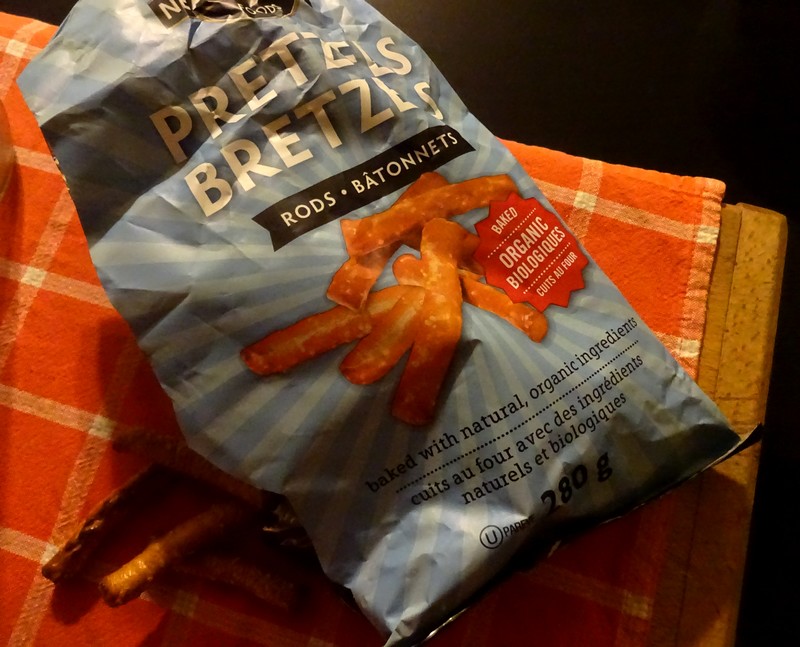
As if picnic areas, history, and clean bathrooms aren’t enough of a draw, on my last visit to the (Trenton) On Route (en route to Montreal) I discovered Neal Brothers oven-baked pretzels, which I can’t even tell you how they added enormous pleasure to the not-especially-scenic drive to Montreal but lasted through my stay there (because there is plenty to eat in that city besides pretzels) as well as the drive home.
I’ve since found them in my favourite local grocery shop, saving myself a return trip to Trenton.
Feel free to file this under Essential Road Trip Info.
You’re welcome.
♦
Other (not always) wordless friends:
Cheryl Andrews
Allison Howard
Barbara Lambert
Allyson Latta
Elizabeth Yeoman
When you hear the name Sheree Fitch, you may think children’s books, Mable Murple’s creator or simply one of CanLit’s most beloved player of words.
You’d be right, of course, on all counts, but there is also her adult fiction and poetry and if you’ve missed that, you’re missing a lot.
In This House are Many Women came to me in a most magical way (what I call the Sheree Fitch effect) and I’ve been reading and re-reading it for  months so that it’s pretty much found a permanent spot on my coffee table and sometimes bedside table. Poetry combined with story in poetic form, about and from the perspective of women in both difficult and joy-filled situations… motherhood as a homeless woman, daily rituals, escaping domestic violence, finding connection in friendship, and learning to trust oneself. There aren’t enough books from these perspectives, that of women in shelters, and women ultimately helping women.
It’s the kind of thing, thankfully, most women will never know first hand, but … if you’ve ever wondered what it might be like to leave your house in the dead of night while someone is threatening to kill you if you leave and you keep leaving anyway, keep running out the door because it’s become apparent to you that your chances of living are much slimmer if you stay (chances of living happily are nil), so you keep running, not sure to where or to what, all you know for now is why...
… if you’ve ever wondered what happens next, then this is the book to read.
It’s Milk and Honey for grown ups. Only better, and in a league of its own.
First published in 1993 and reissued in 2004 by Goose Lane, In This House are Many Women is a collection of poems that read like prose, a journey through the life of women. Women in peril. Women as community. Women as resilient survivors. While there is plenty of gritty reality, there is much humour, love, hope and, ultimately, the message that women helping women is how it’s always been, and that is no small potatoes.
In other words, it’s a gem of a book and I’m stunned that I haven’t come across it before. Since discovering it I’ve made a list of people I want to give it to, not the least of which are women staying in shelters.
The first of four sections opens with a suite of poems following the journey of escape, beginning with ‘The Runner’—
She runs:
past women with drawstring mouths
women with wombs puckered out
from plum to grape to raisin
women who have never known
what wetness means
In ‘What Rhonda Remembers About the First Five Minutes’ there is arrival at the shelter, the sound of a buzzer, strangers, lights, attention, the imagined chorus of:
someone new is coming
someone new is coming
someone new is coming
— giving the sense of entering a prison. That this house of many women is safe and nourishing takes time to discover. At first it’s only not home. The windows are bullet proof, there are security cameras everywhere. The doors are locked, everyone is a stranger, the police are on speed dial. At first there is the matter of safety, then how to simply function, how to deal with the impossibility of emotions running through you while, at the same time, you are numb to all feeling.
In ‘Edna’, the narrator looks at her swollen face in a mirror “wishing I could see the wrinkles”.
Each poem is another woman’s story. You can almost imagine the conversations as women feed their children or sit in communal areas, drinking coffee, smoking, biting their nails as they listen to one another.
In ‘Valerie Listens…’, the narrator explains how the leaving went for her:
I did not leave because of his violence
I left because of mine
I got another phone call
from another woman
I went in and watched him sleeping
saliva like dried chalk
made a rim around his open
mouth
a perfect target
I had a gun
I placed it on his pillow
then I left.
There are poems about the NIMBYness toward shelters, revelations about the homeless, the roles women play when they share a space, who mothers the others, who is most in need of what and who will provide the whats. Unsurprisingly, from a writer who understands the child mind, there are meditations and revelations from a child’s perspective too (as in god wears flannel shirts).
One of my favourites is ‘Advice’, which is a list of exactly that, beginning with:
Read everything Gloria Steinem ever wrote
her last book first
and ending with:
The best answers will always be questions
You can always call your aunt.
Another, ‘Grand LaPierre, Newfoundland’ tells in pure Fitchean style, the essentials of writing a poem as if one’s life depended on it:
...it doesn’t have to rhyme
but it must always have a beat
a finger-snap
a toe-tap
Fitch is writing here from the inside and the outside. One has the feeling she is both part of this world and an observer at the same time.
The thread running through the book is that words are a lifeline, the writing of our lives, the sharing of our stories, that through kindness and connection with others (including Peter Gzowski’s voice), all kinds of hurdles can be overcome, that we are not alone. It’s not only about women in dire straits, but about women being strong in the way of women…
So you can understand why I can’t bear to shelve it. When a book like this crosses your path it’s good to keep it close, to open it often.
♦♦♦
♦
Other (not always) wordless friends:
Cheryl Andrews
Allison Howard
Barbara Lambert
Allyson Latta
Elizabeth Yeoman
The easiest method is also my favourite:


You will learn, among other things…… that the gallery cafe has
a) an excellent salad bar, and
b) a patio

that AY Jackson was all for women in the arts, which is more than can be said for many other chaps in the business
that the Canadian Photography Institute is so worth spending at least an hour or two in; currently showing some important work in prints, installations and video
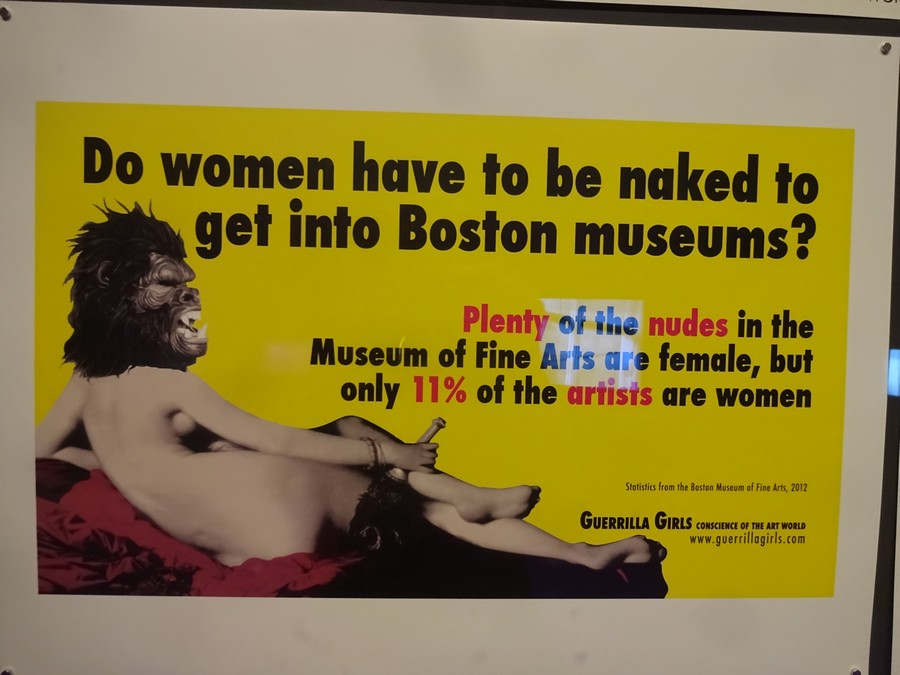
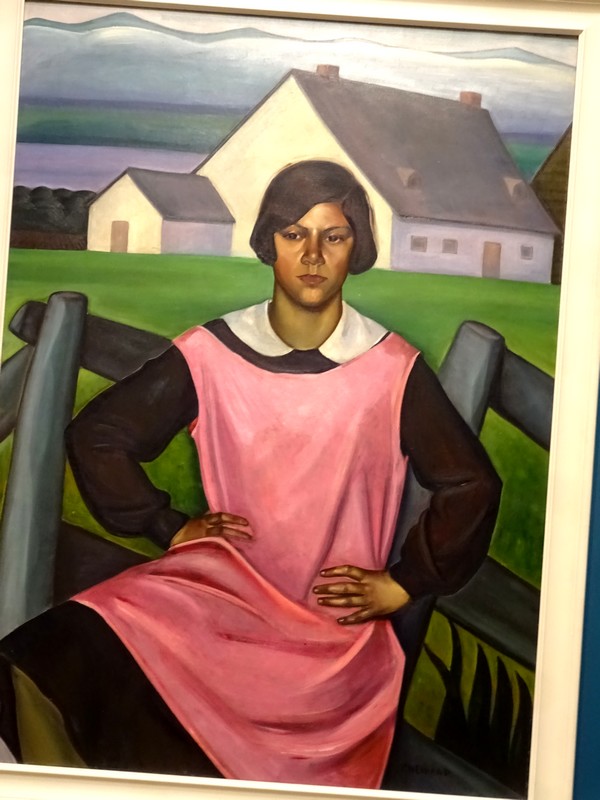
Prudence Heward didn’t paint sissies
the film by Rebecca Belmore recommended by the staff member who, when I asked a rather simple question, decided to answer by walking me through the gallery via all manner of hidden corridors and en route told me I MUST SEE THIS FILM BECAUSE IT’S SO POWERFUL, is actually astonishing.
another staff member who casually mentioned the experimental farm is worth seeing, that she loves the way the arboretum changes with the seasons
and a random someone who overheard my conversation about the arboretum and chimed in that if I’m looking for nifty places that are closer by, then I MUST go to the lanes
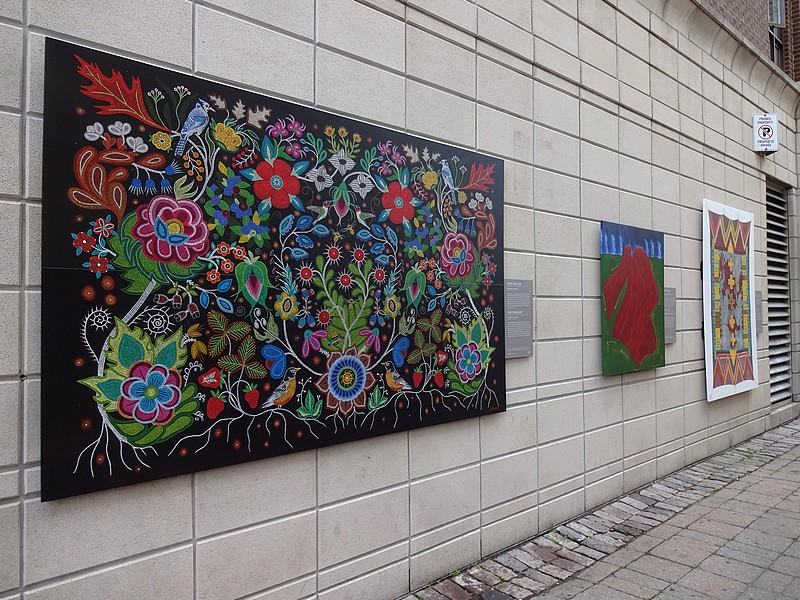
which I then did and found that there is a wonderful stationery shop in the lanes, great architecture, peaceful nooks, crannies, patios and outdoor art



you will learn, at the Royal Canadian Mint, that they commission Canadian artists to design their ‘art coins’, often via open competitions
and that the Olympic gold medal is silver on the inside with only a veneer of far-too-expensive-gold; the bronze is also veneer with silver on the inside (but this time to make it worth more than if it were entirely bronze)
if you’re lucky you’ll find the pub whose name I’ve forgotten that makes excellent fish tacos
and it’s not the Irish pub
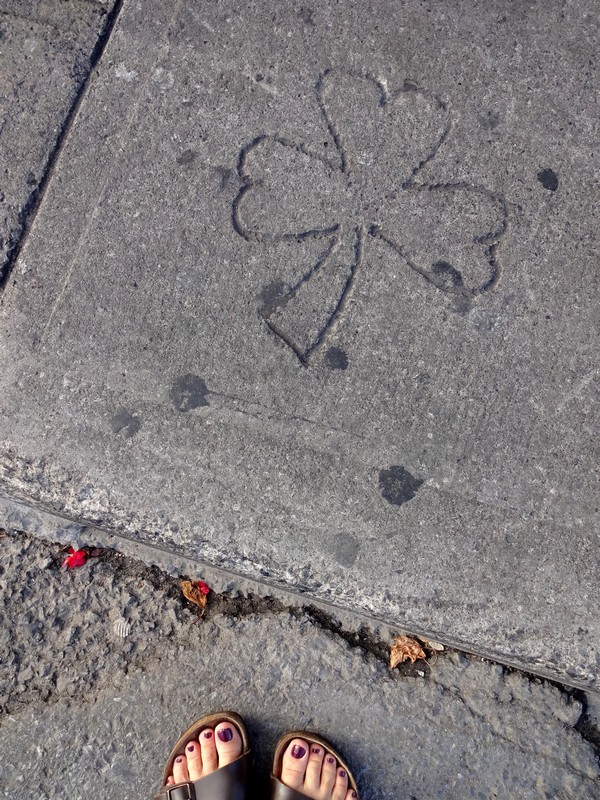
or the fish place
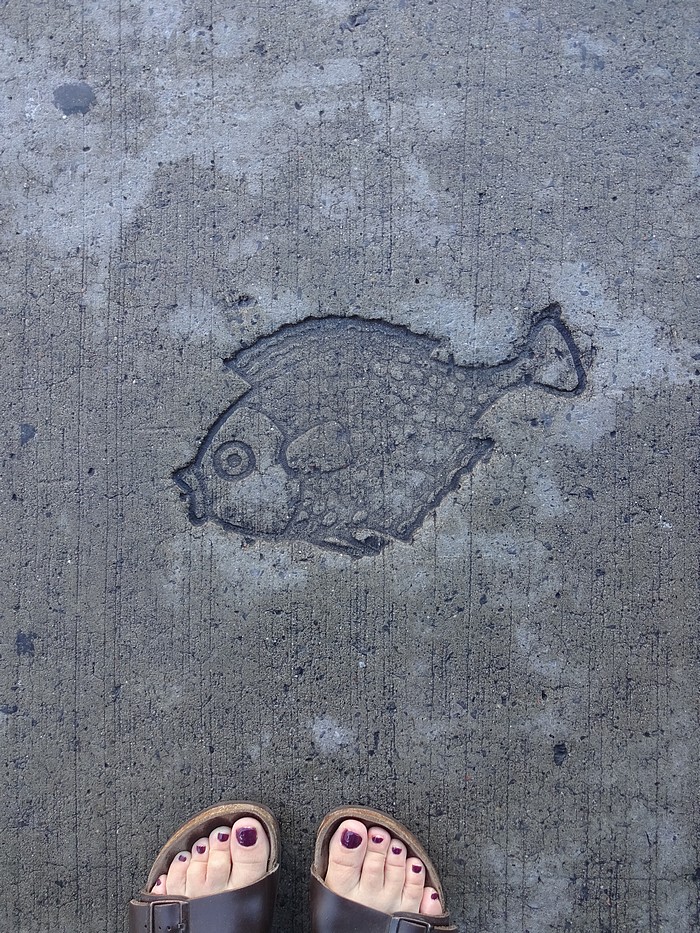
you will crane your neck in one library and spend an hour in another discovering Lucy Lippard, writer and art critic who once wrote to her editor: “Herewith the twenty-two reviews. Hope they make whatever the deadline is. Slight delay as I had a baby last week.”


And you will find a hornet’s nest of diaspora loveliness at the International Pavilion... and this, by friend and sculptor, Erika Takacs.

a patio on a hill, where staff do everything to make you comfortable on a chilly day… heaters, blankets, so much kindness.  the market of course… this is the super condensed version (sans cheese)

you will, like the goofy Canuck you are, embrace what’s Canadian


 And fall in love in (at least) two languages.
 ♥
♥
I have the title! (for a book of short things I’m working on)

This is the-shirt I had made for someone who recently amused me with the edifying mantra that wordsmatter.
I am nothing if not an excellent listener.
dear Montreal,
I’m writing to you from Ottawa, having just left your soft, cheese-filled embrace, and I miss you already. (Just to be clear, I do NOT miss your traffic, and I do not miss your construction)… but I do miss the way the morning light shines through those big beautiful windows of a third floor flat at the top of those crazy wonderful circular stairs.
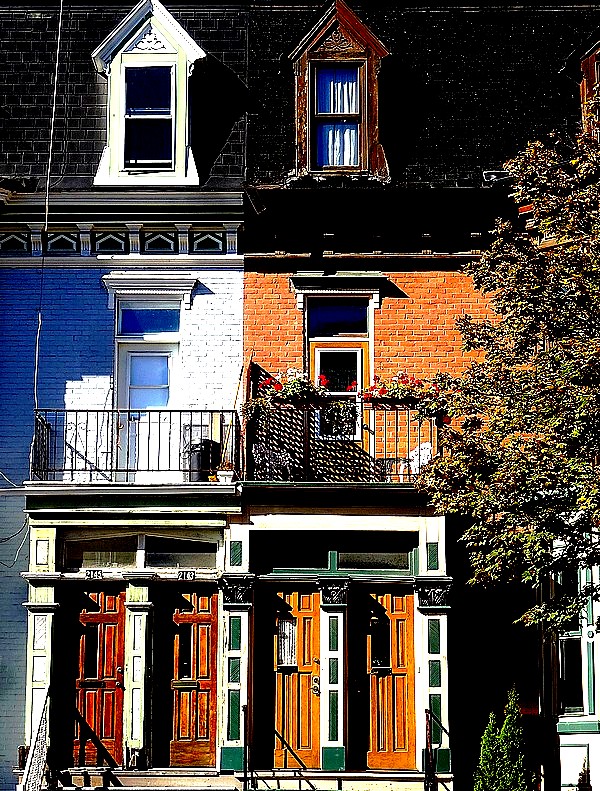
I miss the view of flat-topped row houses, weathered doors and every-colour colour-schemes.


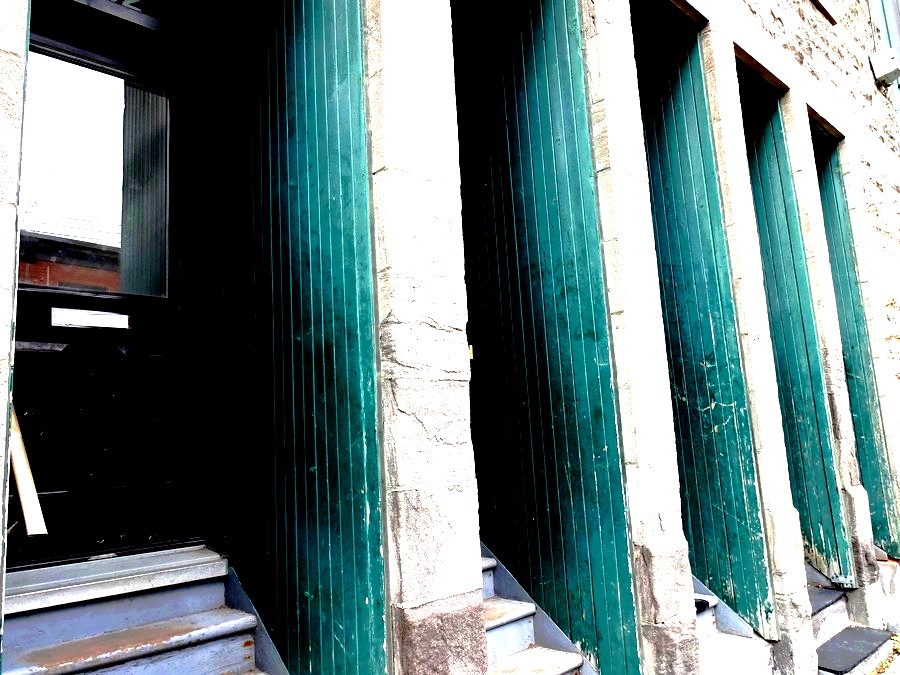
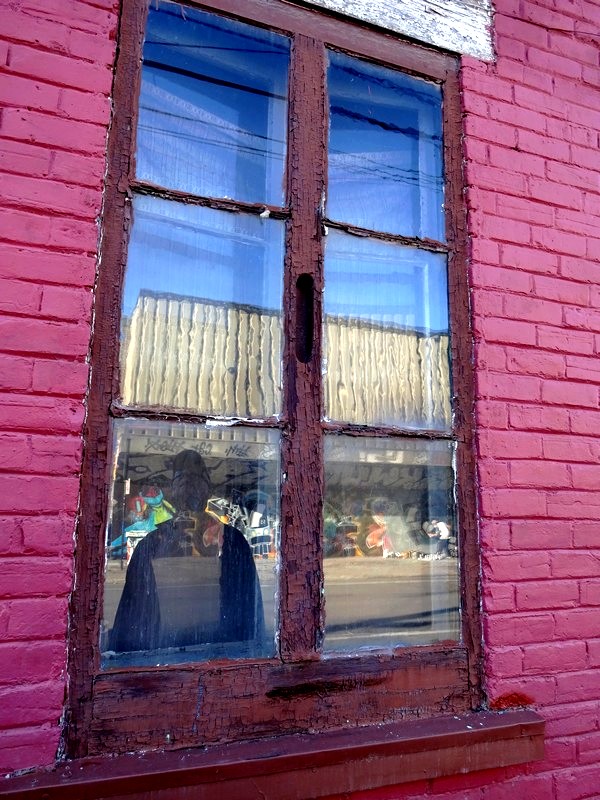
I miss your windows.
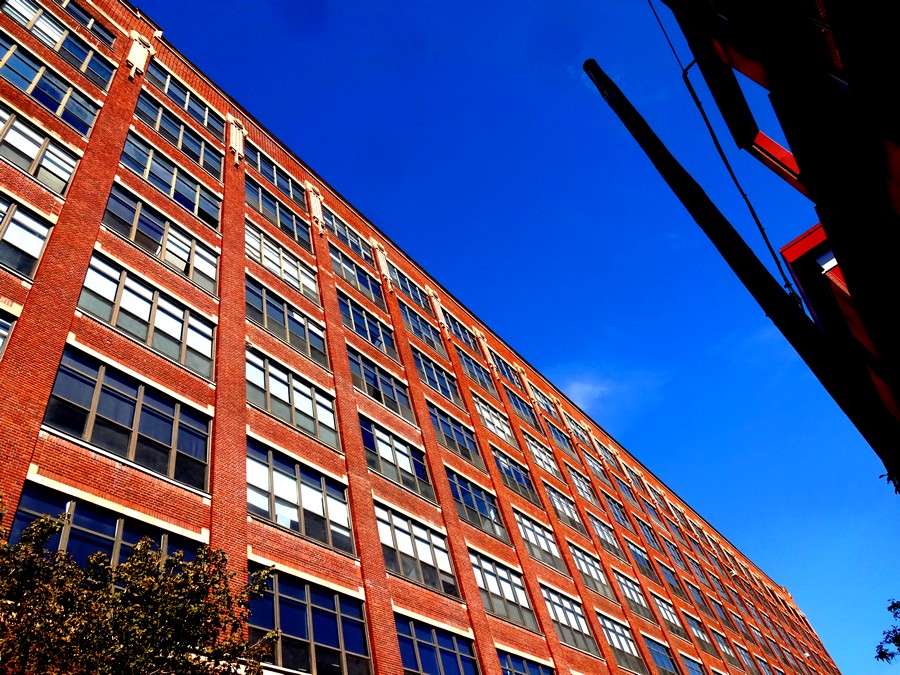
Your biggest buildings.

And neighbours who have different uses for their balconies and which make me think of poetry about loaves of bread and hyacinths for the soul as I pass.
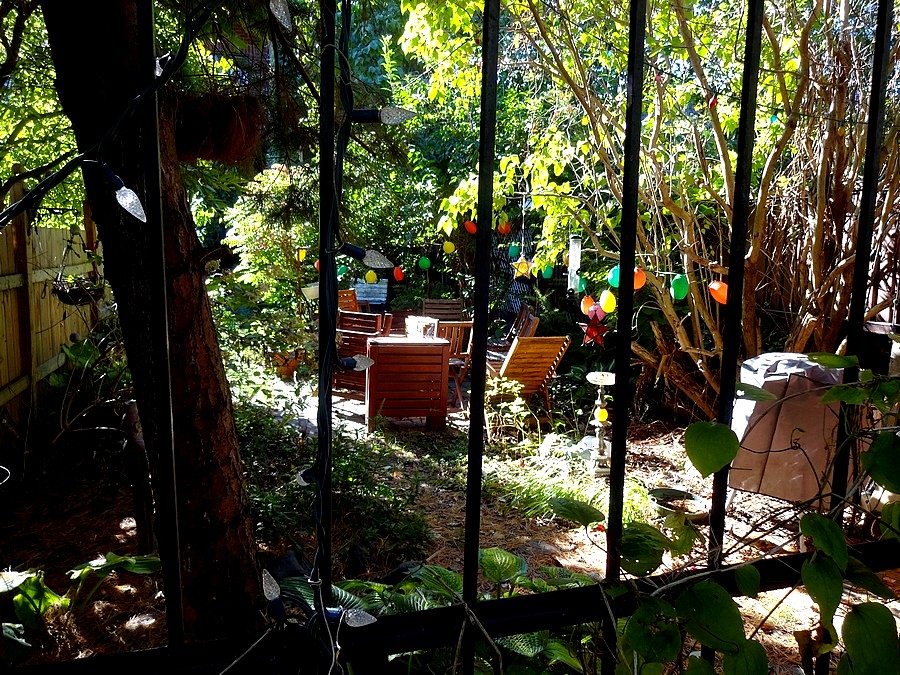
I miss your alleyways and secret gardens with statues of buddah and jesus and others, like you’re covering all the bases.
And those green olives swimming in spicy red pepper schmoo.

I miss your cars, so well disguised we hardly know they’re there.

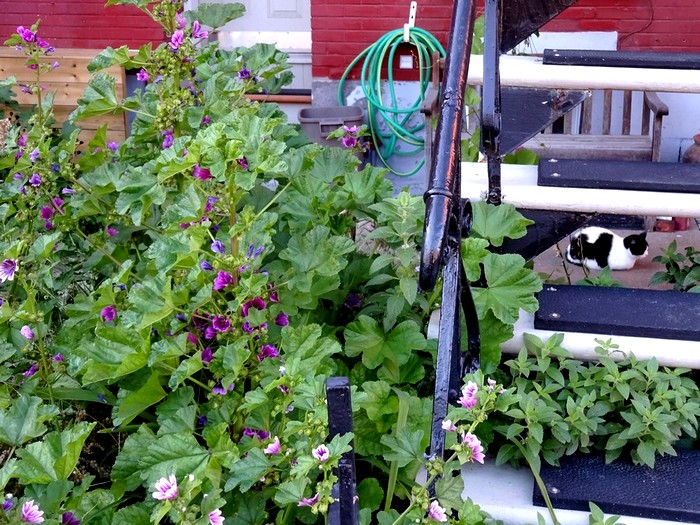
Things seen under stairways.

Your art.


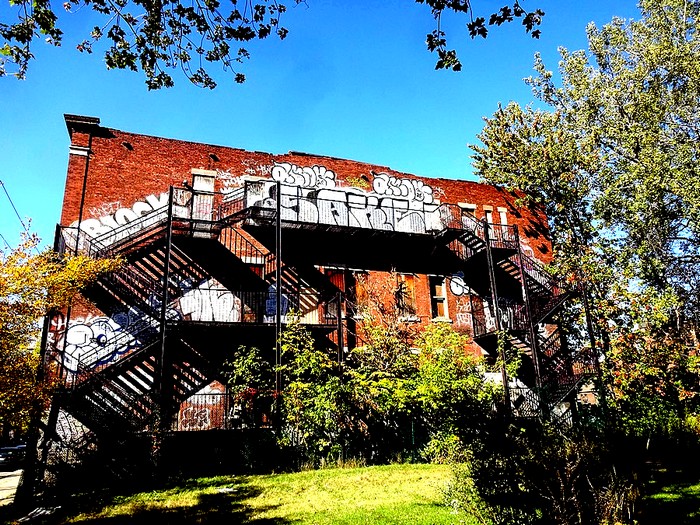
I miss your shadows.

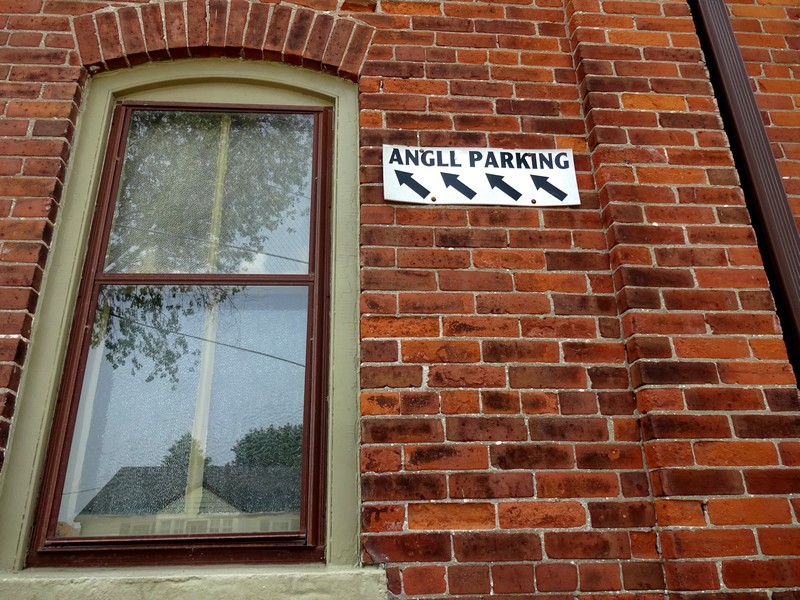
Hells bells, even your handyjustdownthestreet IGA is all meilleur…

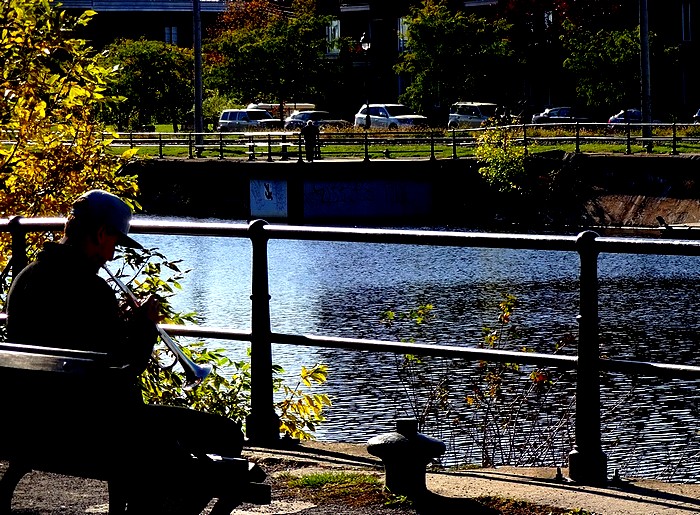
Tea and trumpet by the canal.

Oh and dear Montreal… who wouldn’t miss your signs?





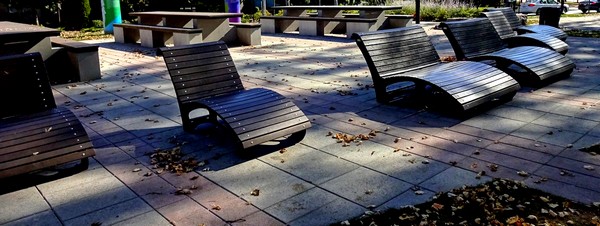
I miss your public napping chairs.
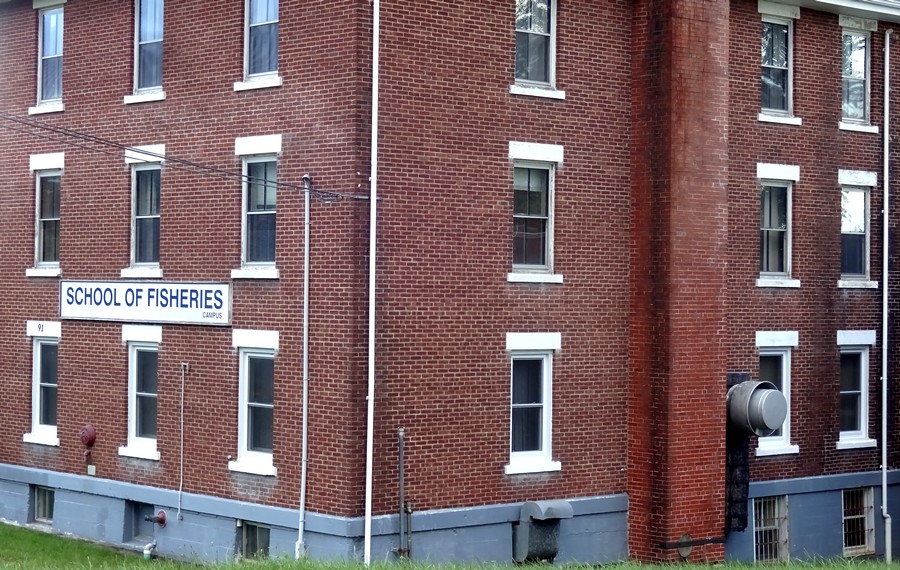
I miss being able to buy handmade paper at an unassuming factory that prides itself on being almost impossible to find (discovered by reading the absolutely wonderful Gutenberg’s Fingerprint).

I miss the doodle I mistook for a labyrinth until I tried to walk it.

Community gardens-in-the-hood, enclosed by fences covered in morning-glories.

Views from unlikely places.


And let’s not even talk about the food.
So, yes, much missing but enough sniffling…
a bientot, eh…

♥
The truth is this — on any given day, even when it seems otherwise, even when the fridge and the cupboards look a little bare, I have enough food in my house that I really don’t have to add a thing. Nobody here is anywhere even close to going hungry. We live in a culture of needing more than we need.
The truth is also that I love farmers’ markets and good bread, an olive bar, fish mongers, cheese shops and the Bulk Barn, but I don’t like a house full of food. What I love more is a house with some food, enough that I can forage, but not so much that I always know ahead of time what I’m going to be eating.
I rarely cook for a crowd anymore so I have this luxury.
Sometimes I don’t shop for weeks, I challenge myself instead to figure out what can be made with whatever’s on hand… a decreasing amount of rice, chickpeas, flour, raisins, walnuts. Right now there’s goat cheese and Coronation grapes, apples, leeks, only one egg but a jar full of pickles. (I love how those tomatoes that need to be eaten turn into the manna of roasted tomato and oh-look-a-few-jalapenos! over a cup-of-cooked-quinoa-I’d-almost-forgotten-about.) And that egg. There are two of us. Will it be shared, scrambled with a bit of recently made pesto, a scraping of cheddar (because, look!! we have just enough)… or deviled and divided in two? Or will we flip a coin to see who gets to have it all to themselves?
I know. It’s a wild ride in my world.
But, honestly, some of my best meals have come from cupboard/fridge foraging. And some seriously cherished memories come from a time when this was a lifestyle not a choice, when I had very little and valued every tea bag, when something like mild euphoria would occur at the discovery there were still two Digestives left in the packet, when I’d thought there was only one. But we’ve all been some version of there, yes?
Part of me still taps into that lack-inspired euphoria, maybe it’s why I’ve never really embraced shopping in any regular kind of way and why I’m so comfortable with my occasional (and relatively speaking) empty cupboards.
Or maybe I just embrace a certain kind of culinary laziness.
Oh, I’ll buy food this weekend, but not for me and mine. **
I know this is a privilege, this choice to celebrate the abundance by embracing the absence. Not everyone has that choice and so there’s gratitude in equal measure for both the shortage of eggs and that full jar of pickles.
Wherever your own wild ride takes you… happy Thanksgiving.
 ** (Update: I’ve been told that an exception must be made for mushrooms. Mushrooms MUST be included in the stuffing. Fortunately the other stuffing ingredients and the chicken were acquired last week.)
♦
Other (not always) wordless friends:
Cheryl Andrews
Allison Howard
Barbara Lambert
Allyson Latta
Elizabeth Yeoman


 Matilda Magtree