this is not a review: ‘the education of augie merasty’, by augie merasty with david carpenter


You may think this is a story you know—residential school horrors.

Or at least one that’s already been told.

You’d be wrong on both counts.fsp-050420151
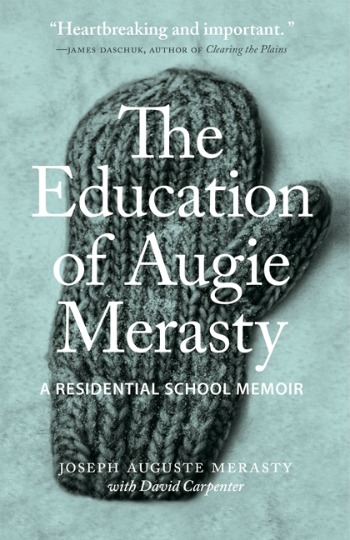
While the gist of the horrors has been conveyed over the years in books about  the horrors… and documentaries about the people involved in the horrors… and articles in magazines and papers, more and more in recent years covering the horrors from various angles… still, all of that is different than this book, which is a personal account by a man, now in his eighties, who lived  the horrors from age eight to fourteen.

Joseph Auguste Merasty.

What makes his account in The Education of Augie Merasty   different from what we already know about the story is that he’s able to tell the story at all.

He’s an alcoholic, often homeless, sometimes in rehab. Many of the people who shared his childhood are also drunks, druggies or dead. Many by suicide.

Most of them aren’t writing memoirs.

That’s the familiar part. That and the abuse, the hypocrisy, the cover-up, the abdication by governments, and so on. The surprising part is that this isn’t the stuff Merasty wants to talk about. He wants to keep things positive. For his own sanity I suspect. How he finds The Positive is both a testament to the power of survival and a tiny miracle of human spirit.

In 2001 he writes to the University of Saskatchewan asking for someone to help him get his story on paper, someone with a “good command of the English language”.

The someone turns out to be David Carpenter, a professor at the university.

In his compelling introduction Carpenter explains the process of meeting and communicating with Merasty, a retired trapper who is hard to pin down and not especially disciplined or organized about handing in his notes.

The back and forth goes on for more than a decade.

The memoir itself takes something like 75 short pages. Merasty begins by listing what he refers to as the ‘kind’ or ‘jolly’ people at the school. What he’s really doing is working himself up to remember the not so jolly.

“It was that fall that I first laid eyes on the one human I would dislike… for the rest of my life… but I will not talk about him now. I want to keep talking about the nice ones.”

The “nice ones” include people who would throw blocks of wood at the children and call them bastards, occasionally strapping them.

“…but [they were] okay.”

It’s the others that were the problem. Right…

At no point does he get maudlin nor does he blame. He simply says here are some of the things that happened. We know enough about the story that he doesn’t have to tell us the gruesome details. I’m guessing the details are the irrelevant part anyway. I mean how hard do you have to hit a kid, how many times do you sexually abuse them, how long do you starve them, what kinds of names or threats or other horrors do you hurl at them or force them to live through before it matters enough that it needs to be added to the list?

That it happened at all is the point.

And that thousands upon thousand of lives have been affected by not only the abuse but the way the rest of the world turned its head. Still turns its head. There’s the point.

Details, well, they’re just that.

There are a few though.

The time he and a friend each lost a mitten on an outing the day before and were made to retrace their steps in minus 40 temperatures. He didn’t find his mitten and on his return he was strapped twenty times on each hand. He was eleven years old. There was the stale porridge they ate while watching trolleys with white linen and fresh eggs, meat and cake being delivered to the adults.  There was the dreaded Brother Lepeigne, sexual abuse, beatings for smiling, for accidentally farting. For nothing.

“I figured now the reason… was to keep my mouth shut about the sexual abuse. He did a good job because I have never told anyone about those assaults until now. They were too painful and shameful to me, and I would have been the laughing-stock for everyone, even to this day.”

The reason to read this book is not to know his story, because I suspect there’s much that isn’t being told, that can’t be told, even now. The reason to read it is to understand the courage it took to write it. And to understand that there are thousands and thousands and thousands for whom he speaks.

The residential school system ran from the 1840’s to 1996. Think about that.

The last entry in the book is a drawing, a sketch Merasty has made of a northern scene, apropos of nothing that has come in the pages before and yet it makes perfect sense. It’s perfect, because it rings true.

“… I want to end with this good memory of the fishing and all the reindeer up north.”

**

More about the book here.

The Education of Augie Merasty  (University of Regina Press) can be ordered online at Blue Heron Books.
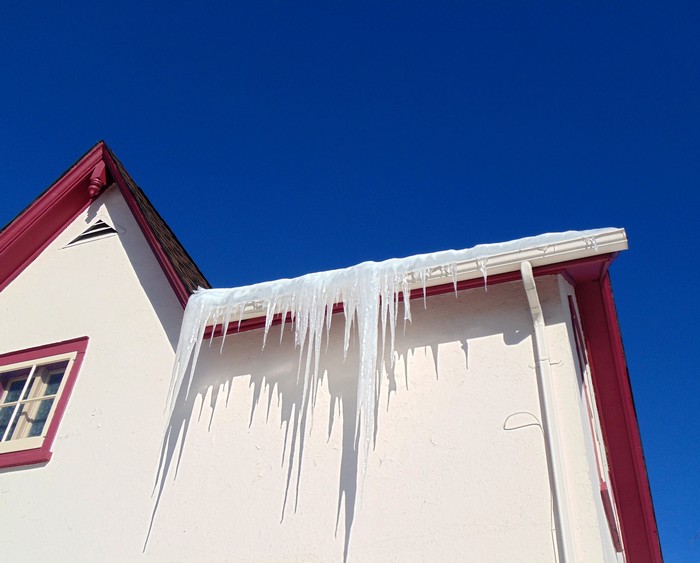
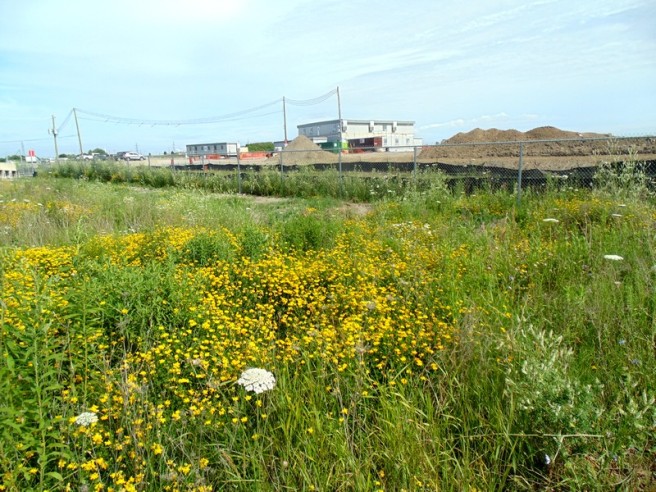
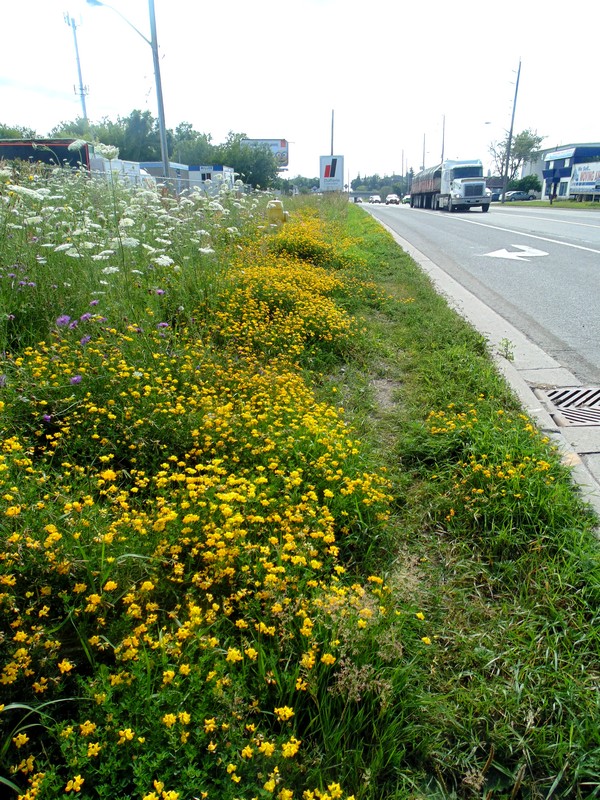
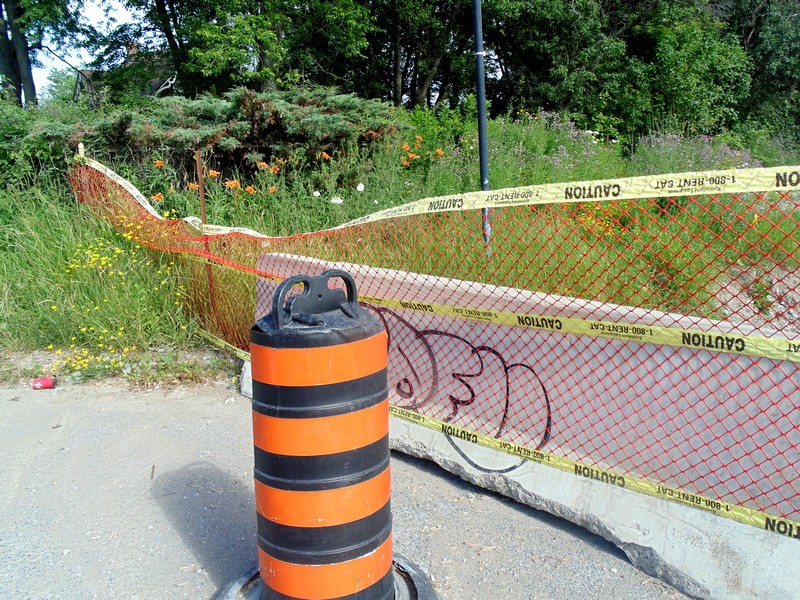
roadside attractions (aka: perspective)

DSC03368

DSC03369

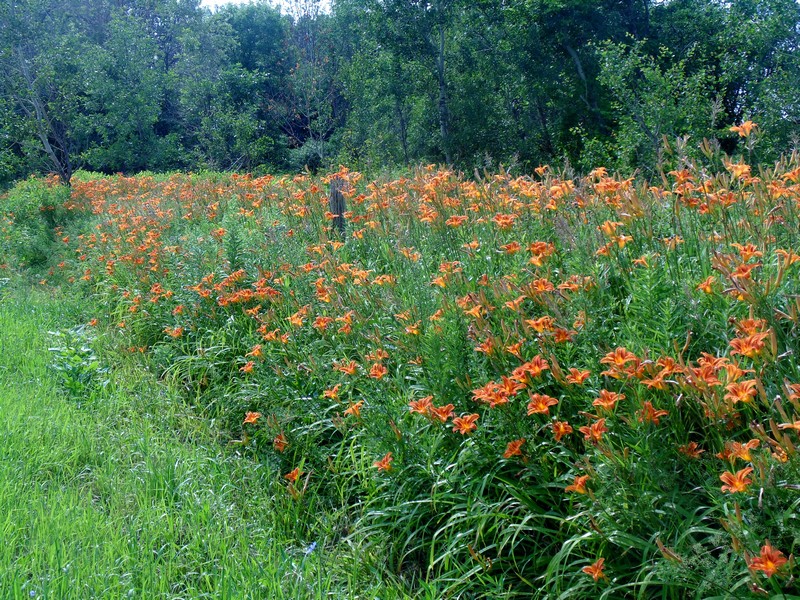
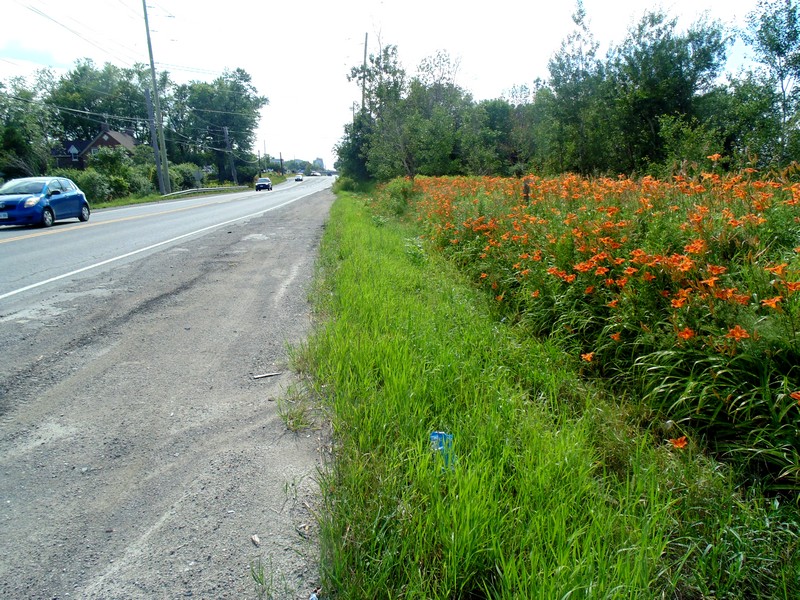
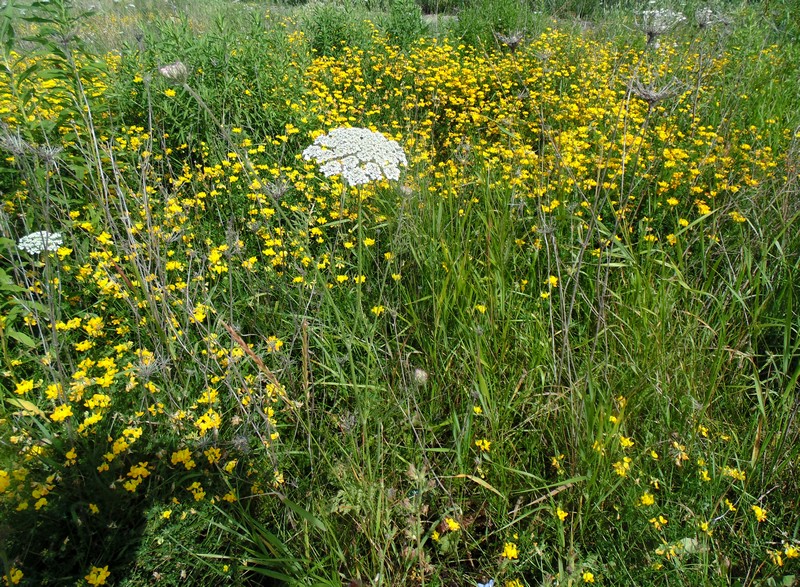
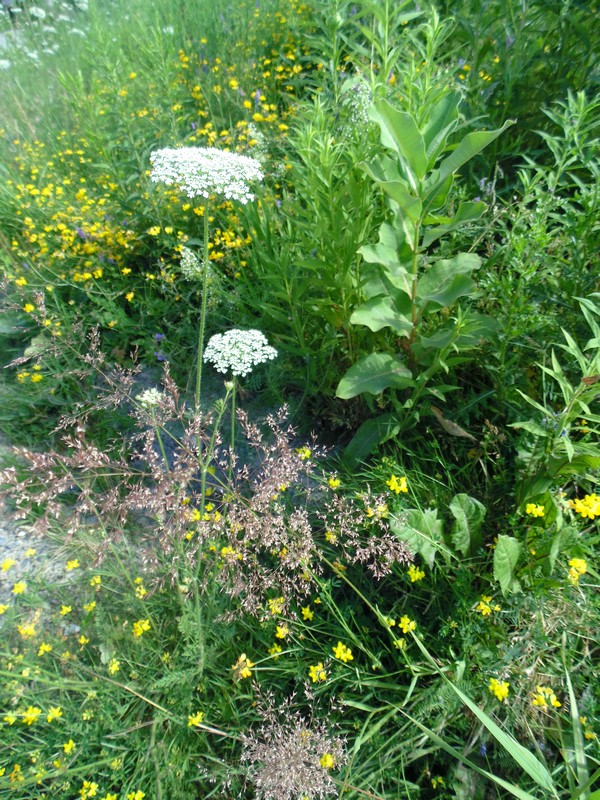
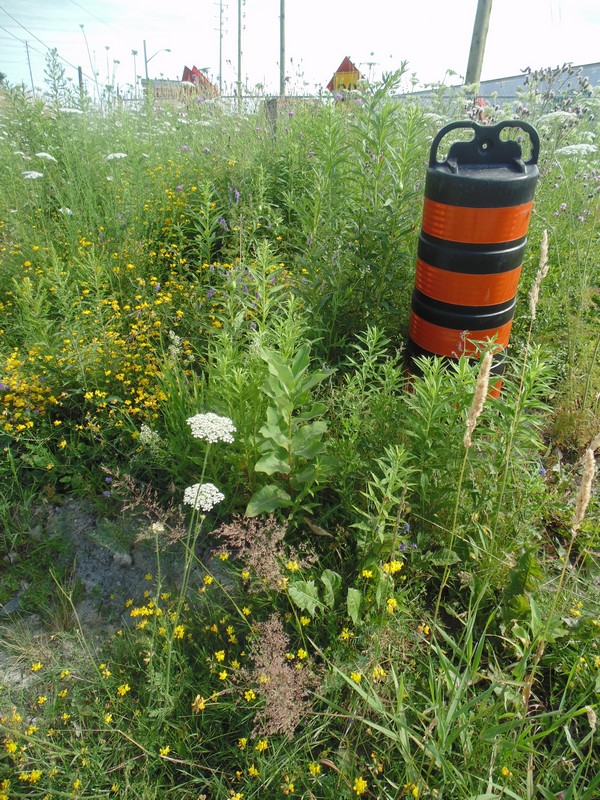
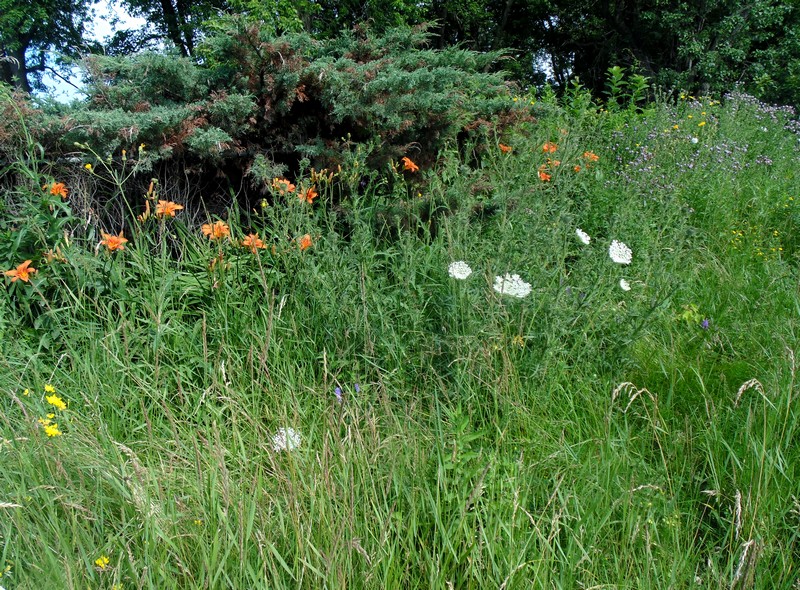
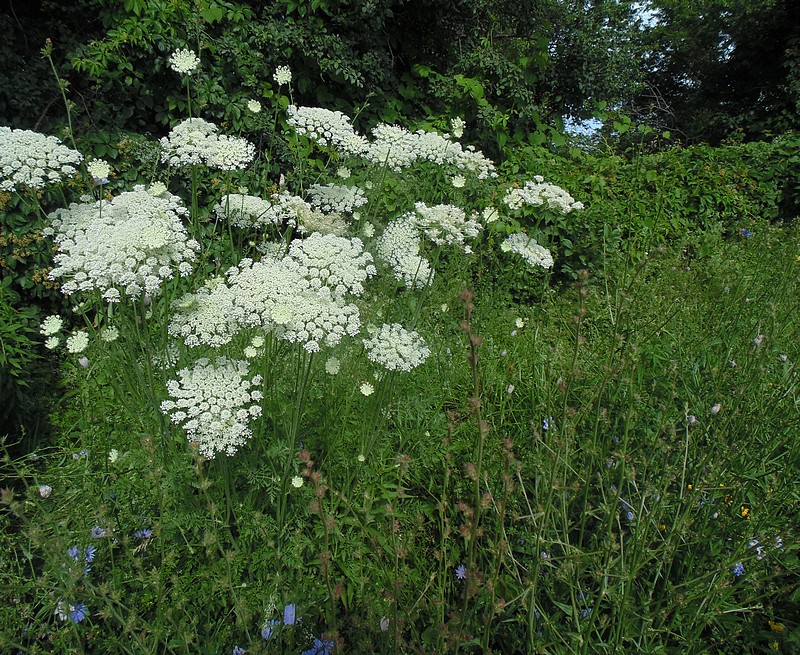
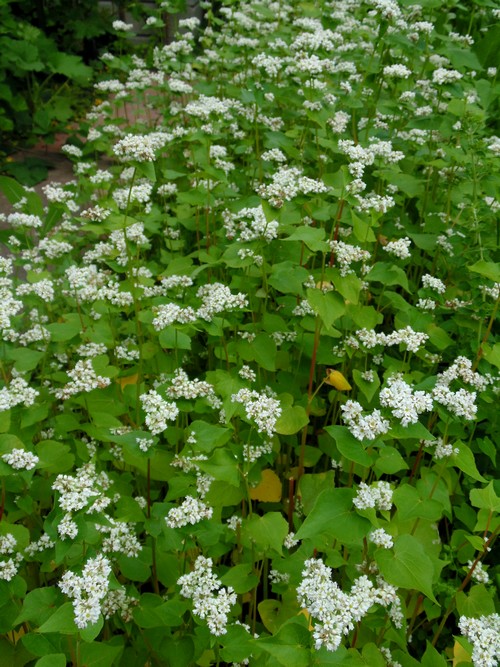
“There are always flowers for those that want to see them.”

—Henri Matisse. DSC03364DSC03365

“Some people see the glass half full, some see it half empty; I see a glass twice as big as it needs to be.”

—George Carlin DSC03366DSC03367“While there is perhaps a province in which the photograph can tell us nothing more than what we see with our own eyes, there is another in which it proves to us how little our eyes permit us to see.”
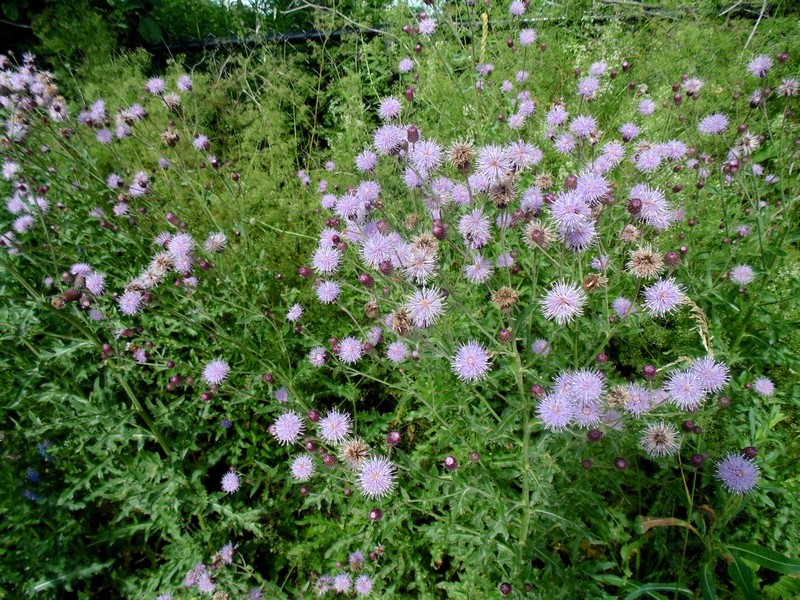
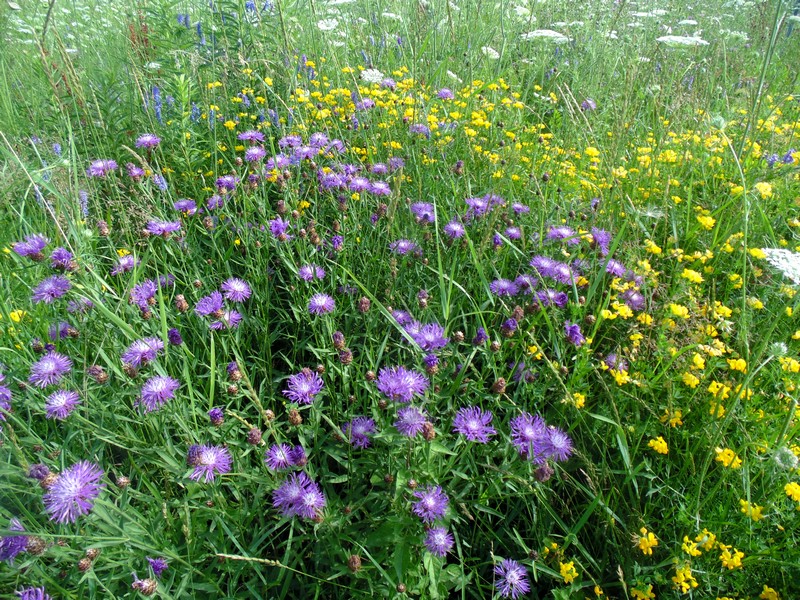
–Dorothea Lange

DSC03383DSC03384

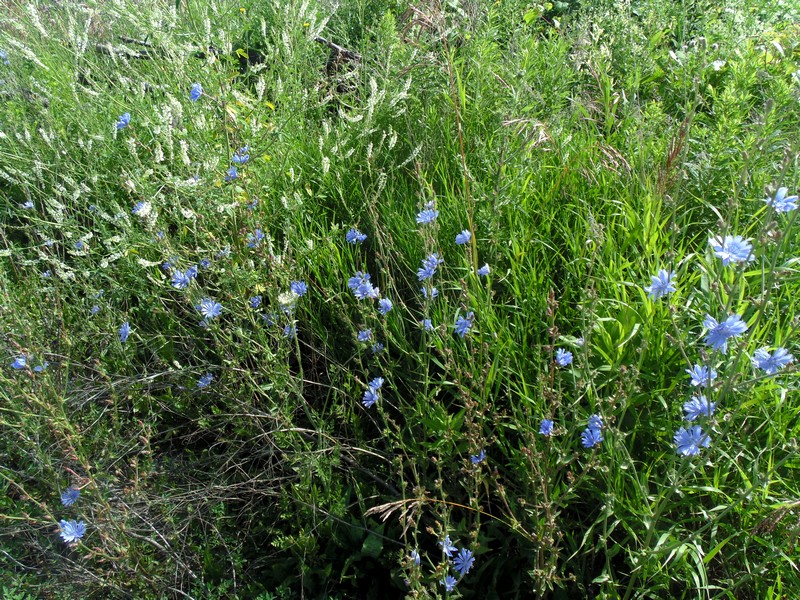
“Nobody sees a flower really; it is so small. We haven’t time, and to see takes time…”

— Georgia O’Keeffe DSC03389DSC03390

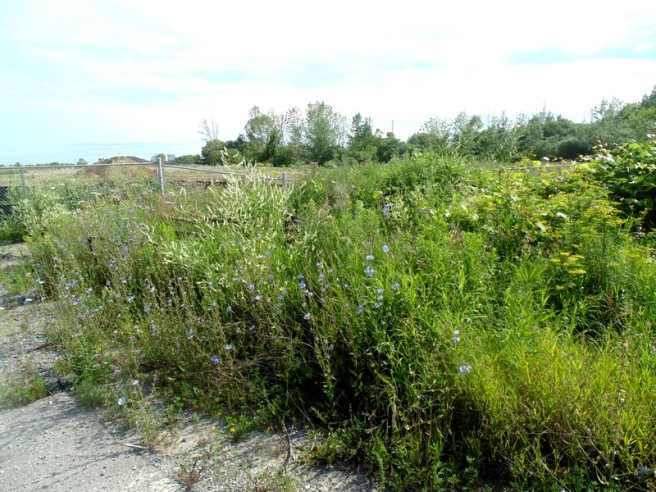
“Reality simply consists of different points of view.”

Margaret Atwood DSC03392DSC03393“There is a kind of beauty in imperfection.”

—Conrad Hall DSC03394DSC03395“What we do see depends mainly on what we look for… In the same field the farmer will notice the crop, the geologists the fossils, botanists the flowers, artists the colouring, hunters the cover for the game. Though we may all look at the same things, it does not all follow that we should see them.”

–John Lubbock DSC03396DSC03397

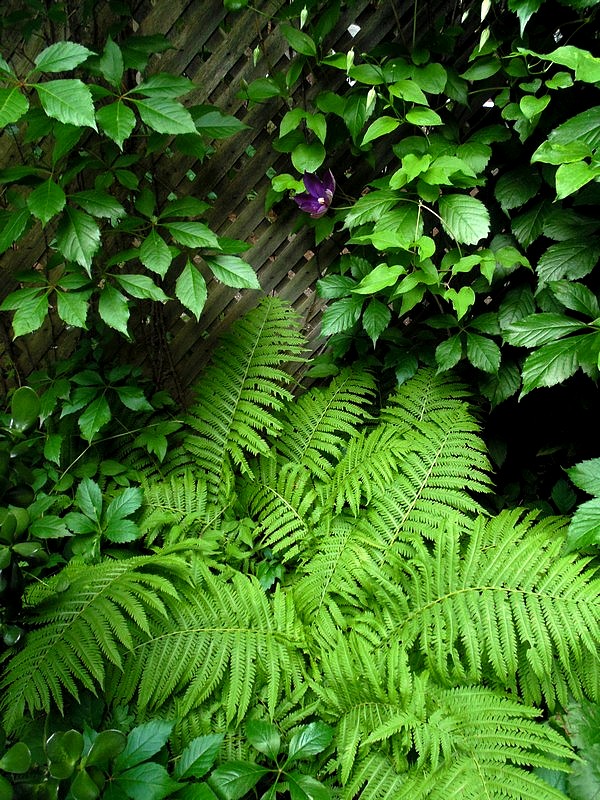
“If you look the right way you will see that the world is a garden.”

—Frances Hodgson Burnett

DSC03413DSC03414

“Who are you going to believe, me or your own eyes?”

Groucho Marx

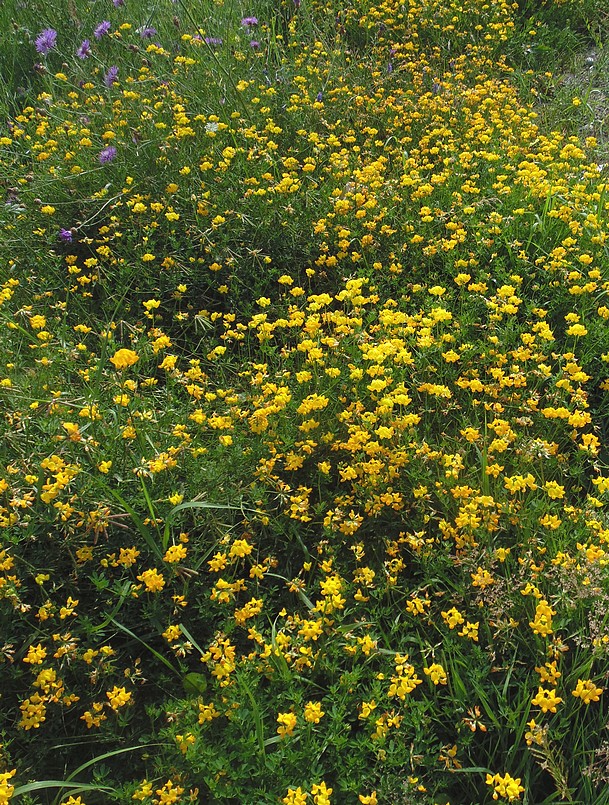
today’s colour(s) are brought to you by…


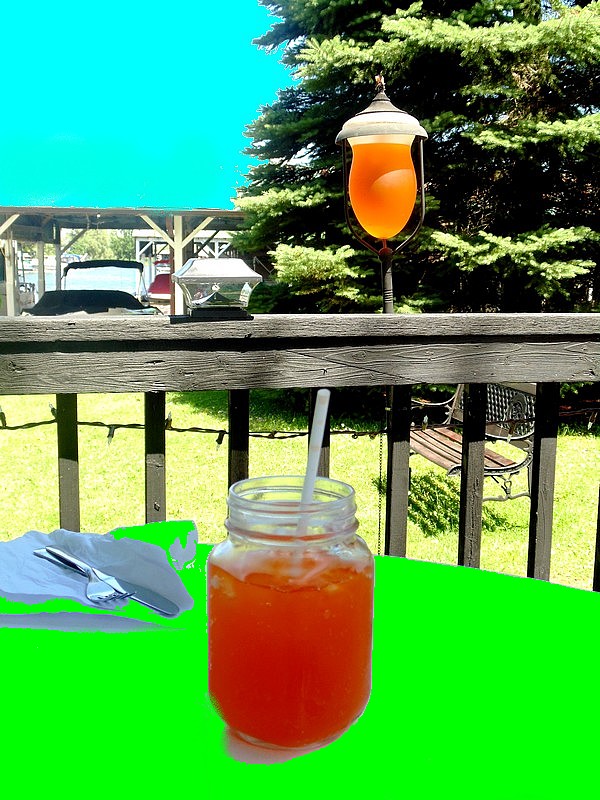
… mostly by the patio and a few other spaces in and around Boston Pizza in Lindsay where I recently had a thin crust goat cheese Portobello mushroom jalapeno pepper with K, who had, among other things, Genoa salami and pineapple, regular crust.

Pineapple!

Despite the horror of tropical fruit abuse we’ve somehow managed to remain friends for more than three decades.

This one’s for you, K.

DSC03310DSC03312DSC03314DSC03327DSC03322DSC03323DSC03326DSC03321DSC03333DSC03328DSC03331

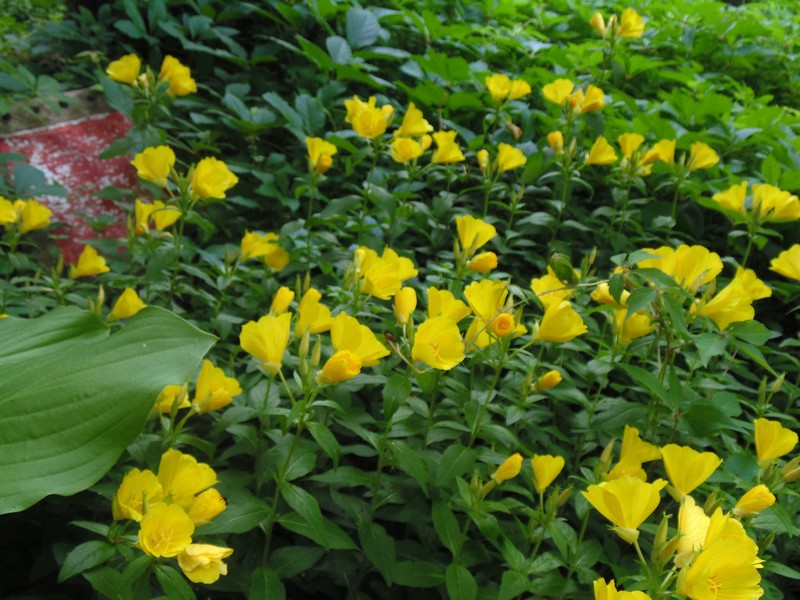
Not enough yellow and black?

Here’s more.

And the colour index. Yes, there is an index.

this is not a review: ‘missing sarah’, by maggie de vries

 
In Missing Sarah,  Maggie de Vries recalls the life, disappearance and death of her sister Sarah de Vries, whose murder was confirmed when her DNA was eventually found on a psychopath’s farm in Port Coquitlam, B.C.

DSC03213

Published in  2003, the book won the George Ryga Award for Social Awareness, the VanCity Book Prize, and was nominated for a Governor General’s Award.

I’ve wondered about Missing Sarah every time I’ve heard about another missing woman, but only recently read it… after chatting with a friend about books that need to be discussed more often.

DSC03215

Sarah de Vries disappeared from a Vancouver street in 1998. She was a young mother, an artist, a keeper of journals, a poet. She was kind, loving and funny, honourable and dignified. She had gorgeous wild hair and a big smile and in the last house she lived, in the scruffiest part of town, where junkies often stayed, there was a small, thriving garden planted beside the front door.

This image has stayed with me, this need to nurture, this need for beauty.

“The tragedy is that she never seemed to be able to turn that love and caring toward herself or accept from others in a way that would allow her to change her life as she always wished she could.”

DSC03216

She had two brothers, a sister, loving parents. A regular family. The family were white. Sarah was black. She’d been adopted as a toddler. She loved them deeply but on some level didn’t feel she fit in. When she discovered Vancouver’s downtown scene, something clicked for her. These were people who also didn’t fit in and together they made a different sort of family, dysfunctional and real as any other.

DSC03227

In her journal Sarah writes about the idea of home… “… but it’s too late. You’re already on your way and you don’t want to hear the words “I told you so”.”
DSC03217

Through letters, drawings, journal entries and conversations with people in Sarah’s life and the various relationships each had with her, Maggie de Vries comes to know her sister in a way she never managed while Sarah was alive.

DSC03222

She feels guilt over this, and it breaks my heart. Because how could she have known her any better? When Sarah was alive, things were chaotic. Not only with the drama of Sarah’s life—the constant coming and going, the worry over her safety, her health, her children—but the way it played havoc with her parents, whose marriage eventually broke down, which in turn caused further stress on family dynamics and individuals.

It’s in the writing, from this distance, that de Vries begins to realize there was never an opportunity to ‘get to know each other’, that everyone was simply getting through things in their own way.

This is the way of families. We only think we know them.

We barely know ourselves.

DSC03219
I was struck with the bravery of de Vries’ writing. How she said that it’s easy to believe that drugs are the problem rather than what’s going on at home.

“Kids are not only responding to tempting bait on the outside, they are driven by some deep discontent on the inside.”
DSC03224
She adds that getting rid of the ‘bad people’ out there won’t solve the problem, that it’s not enough to arrest the creeps and murderers.

“More ‘bad people’ will appear in their place; and, as long as we do not solve our problems at home, our children will continue to leave.”

Now there’s a hard truth. It would have been so much easier to blame anyone else. But de Vries doesn’t play the sympathy card, or even the shock value card. She’s writing this book, she says, “…to make it real for myself, to gather all that has passed in the last four years and pin it to the page.”  In the process she shares her road to understanding as she realizes that to effect change, we have to look at what we’re doing in our homes before we point fingers to the problems in society.

It’s beautiful, honest and bare-naked writing.

DSC03221

It’s about Sarah but it’s also about so many others, women, who found themselves working on the streets to survive.

They are individual stories and yet share a common bond.

Like life.

Your story, mine. Different and the same. The point, it seems, is to know this.
DSC03225

It’s about being human.

DSC03226

And it’s the kind of book you can read again and again and, like getting to know someone, you learn a new thing each time. And your eyes are opened and this world that you know nothing about suddenly becomes part of the world you live in, not the separate place you pictured. And you might be surprised to know the people in it bleed and laugh and love and *need* the way people do.

DSC03062

It’s a book to read and discuss as long as there are women disappearing from streets and dying in hotel rooms after ‘rough sex’ and perpetrators of ‘rough sex’ are being allowed to live their lives as if nothing happened.

DSC03223

Not everyone has a sister who will write books about them.

Sarah de Vries did.

(not so) wordless wednesday

DSC03059

Woke this morning expecting it to be Wednesday. But it didn’t sound anything like Wednesday. More like Sunday or New Years Day. So I wondered and then remembered the holiday and thought how amazing, really, that a few thousand people not going to work can change the atmosphere to this degree.

Even now as I write, the paperboy is making deliveries (with a red wagon, bless him); I hear the trundling sound of the wheels through an open window and neighbours chatting. The sun is out. A faint hum of traffic, birds sing, dogs bark, train whistle, wind chimes; it’s all there, all normal, and yet…

… something undefinable is quiet that usually isn’t.

Happy red and white day. (And keep it down, willya?)

Other Wordless Friends—

Cheryl Andrews
Allison Howard
Barbara Lambert
Allyson Latta
Elizabeth Yeoman