good morning, moon

dsc07701

A crescent of bright over my 6 a.m. house… the rest of the moon is muted but visible. A single star in the still black sky. The picture didn’t turn out.
Doesn’t matter, I can still see it, can still feel the 6 a.m. chill on my face.

Went back inside to make tea and sit in the darkness for a bit. Friday has a different feel, not as frantic… that welcome to the weekend vibe.

dsc07712I thought about the week past and it was a lovely one too. Not that it didn’t have its glitches, like all weeks. Not that it was especially lovelier than any other week. It’s the thinking that makes it… and why some weeks are thought about and others aren’t who knows.

This one included a visit with an old friend who showed me a list she’d been keeping all summer. Whenever she picked tomatoes she’d note the day and the weight. Total: 18 lbs. from a single plant. It’s madness, right?  she said. Tempted to answer possibly…  but then no, there’s something important about lists, beautiful even. A way of noticing the details…

Another visit with a not so old friend, a happy surprise, the delight of chat.

dsc07703A loaf of fresh baked bread that I cannot stop eating with my own garden tomatoes. And onions from the market.

The potatoes I’ve been digging up and boiling straightaway. There’s no other way to eat fresh-from-the-dirt spuds.

A cup of coconut milk matcha latte, which makes me sound like a prig but, honestly, I consume almost no priggish things. Except this. It started in summer at Starbucks (a place I almost never go except to meet a certain friend—please blame/thank her for this addiction). Anyway, the stuff is so delicious I ask every tea shop I visit now if they can make it. The results vary but that’s become not the point… if it turns out well, yay, but the best part, really, is that people are cheerfully game to give it a whirl and I love the collaborative approach that sometimes happens and how I end up happy no matter how the actual drink comes out.

Laundry weather one day. Rain the next. Balance.

The decision to paint a frame lemon yellow. The soon to be new home to a painting of green apples.
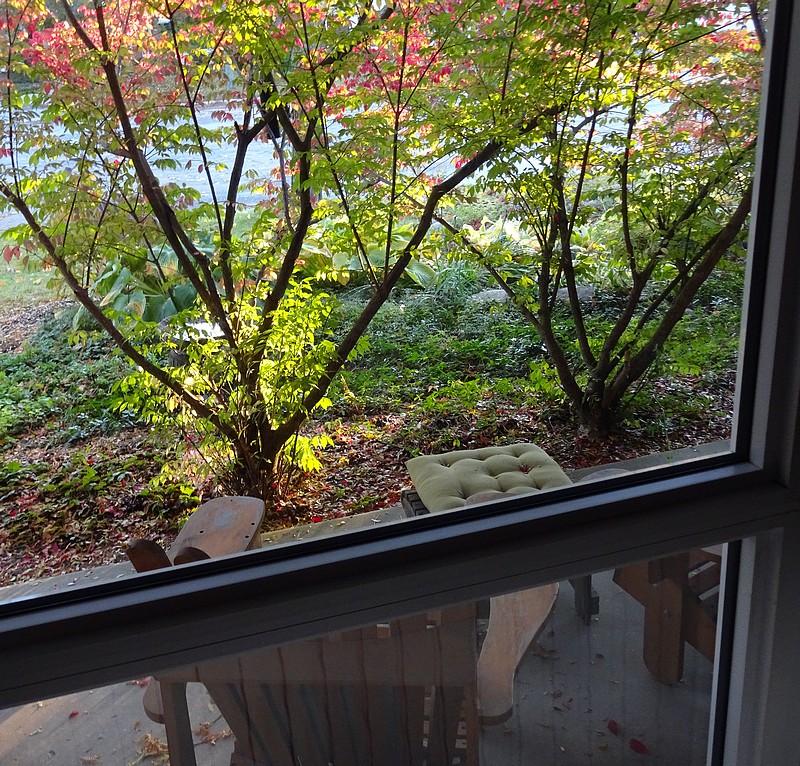
dsc07710The way the morning light has crept into my living room while I’ve been making this list.

The chickadees and finches at the feeder that I can never get a clear shot of.

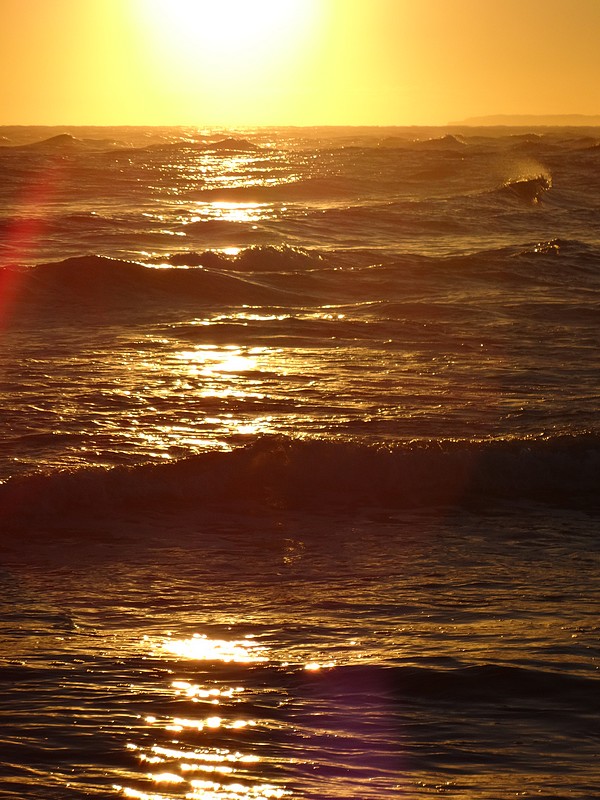
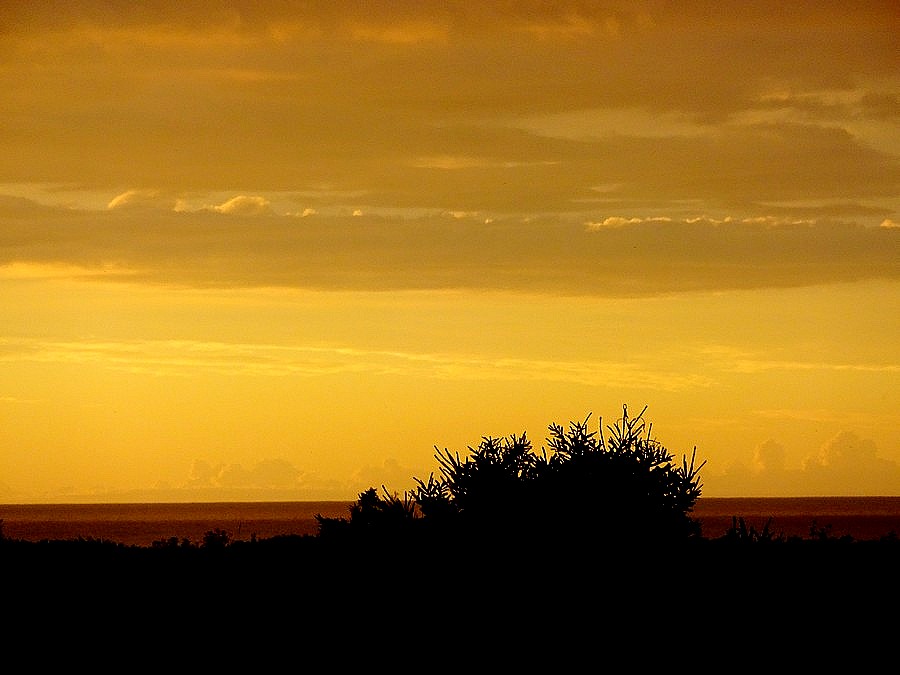
The colour out there.

The view from here.

dsc07719Did I miss anything?


this is not a review: ‘what milly did’, by elise moser

 
Milly Zantow falls into the category of People You’ve Never Heard of Who Have Changed the World. In this case, the world of recycling. Because Milly Zantow is the person who created a tiny thing called the global recycling standard for plastic,  more commonly known as the-numbers-inside-those-little-triangles-on-your-water-bottles-and-stuff.

It’s what made plastic recycling possible.

But it’s the HOW this all came about that’s jaw dropping. What Milly Did  (a childrens’ book for all ages, including adults in my opinion) by Elise Moser, is an extraordinary story about a woman who, at age sixty or so, decides to do something about the growing problem of plastic in landfills.

9781554988938_1024x1024Turns out that plastic wasn’t recycled because no one thought it could be done.

Enter Milly, an ordinary woman, raised on a farm, who has no experience in anything even remotely related to anything to do with recycling but who just really believes that something can be done.

So she says pfffft  to the naysayers and starts reading about plastic; she studies it, takes courses, learns everything she can then cashes in her life insurance policy, buys a gigantic grinding machine and opens a company called E-Z Recycling where she and a few others do much of the grunt work by hand, seven days a week.

“She called the Borden Dairy Company in Milwaukee and asked them how they manufactured their plastic milk jugs. What did they do when they made a mistake? she asked. They told her they just melted the deformed jug down and reblew it. That was an ‘Aha!’ moment for Milly.”

Moser captures Milly’s spirit as a woman who is in no way ego driven. Nor is becoming rich her motivation; she simply wants to make sense of trash and to that end she does whatever she can to help people recycle, including establishing programs in nearby towns.

Eventually her vision catches on. Various community groups form, tipping fees for landfill sites are established and in 1988 her system for grading plastic is adopted by the Society of Plastics Industry, which means a standardized recycling practice across North America.

The story, of course, isn’t quite that simple. There are many hurdles along the way, people who laugh, who say that what she’s proposing is impossible, and then there are the times themselves, the 1970’s and early 80’s, which aren’t overly receptive, or even friendly, to the idea of recycling. Moser has done an excellent job of telling Milly’s story against this back drop of time and place.

A clever addition to the story are sidebars throughout the book, telling about bridges and boats made of plastic bottles, stats on current plastic usage and where it all goes, yo-yo trivia!, the ABCs of modern recycling, innovations in biodegradable plastic… all bite-sized, very readable for any age, and all to the accompaniment of sweet b&w illustrations by Scott Ritchie.

That this is such an unknown story is mind-boggling. I’m grateful to Elise Moser for telling it. It needs to be shared. I hope the book will find its ways to schools and to homes, not only as an eye-opener to an important piece of history, but to open at least two kinds of conversation… One,  about the problem of a planet full of garbage and, two, the power we have as individuals  to make the world better.

Finally, what maybe I love most about this story is what Milly didn’t  do… she didn’t complain, blame, whinge or whine or suggest that this problem to solve was someone else’s job… 

Or that the difficulties she faced were someone else’s fault.

She just got on with it.

The world could use more Milly.

essentially not essential


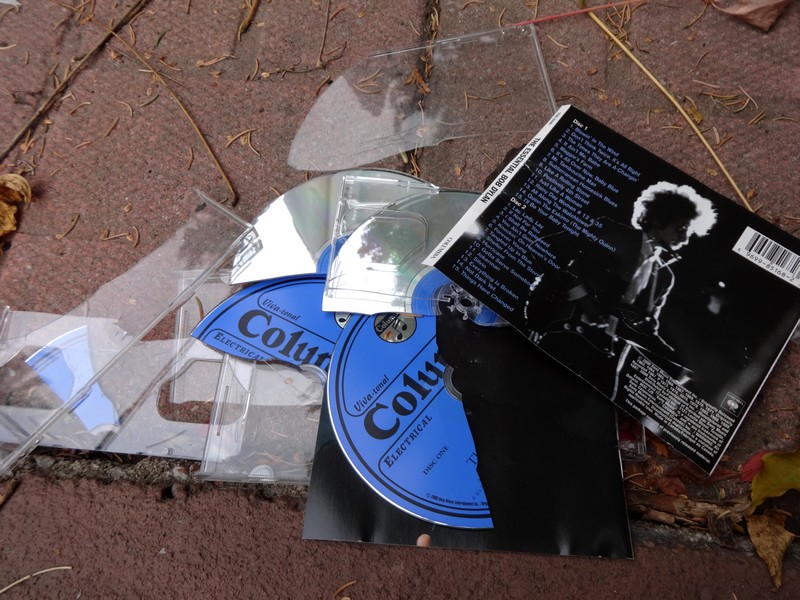
I’ve only seen two Dylan concerts. One, in the the 70’s, which I barely remember, which I guess proves I was there. The other, in the 90’s, at some smallish venue, which could have been amazing if he hadn’t performed almost grudgingly.

I don’t like to conflate art and artist so I just let it go. Who cares that he comes across as a self important prig? I enjoyed making pasta with his tunes playing a little too loud in the background.

But something about the Nobel snub is a line for me. And believe me it’s not the Nobel crowd I’m defending here. It’s just enough already. What, exactly, is so hard about simply saying thank you and being grateful in some tiny way to the millions of mere mortals who allowed a guy named Robert Zimmerman to make his art and his living as he chose to.

It’s our fault. We’ve let him believe he’s god. And now this.

Even if he shows up for the Nobel ceremony (but why would he do that… surely he’s not accepting the money??)  it’s too little too late. He’s imprinted in my mind now wearing a sequinned tiara and prima donna sash. A wonky harmonica dangling from somewhere.

And the music suffers with the image.

So, thanks for the memories, Robbie. Some nice times. Really nice. Some excellent pasta. But I’m moving on. Suddenly the music just feels like a lot of self-importance and only reminds me how we already have enough arrogance out there blowin’ in the wind…

dsc07602


life’s a beach (aka: accidental seaweed)

 
One of my favourite books is Drinking the Rain,  by Alix Kates Shulman.

beach-8It’s about how, at the age of fifty, Shulman runs away for the summer to a rustic cabin on an island off the coast of Maine and has all kinds of little epiphanies, mostly about her relationship to nature. Having grown up and lived her whole life in New York City, it has never occurred to her that nature is especially significant except as a nice place to visit now and then.

beach-7 beach beachbeach-8 beach-2beach-5She returns to the cabin every summer for years, each time trying to bring the feeling of these epiphanies back with her to NYC in the form of shells and bits of seaweed and eating the way she did on the island, but apparently it’s hard to forage in Manhattan. So it never feels quite the same, it feels ridiculous in fact, this tree-huggy approach to life once her feet are firmly back on pavement. And it bothers her, initially, that she has to divide herself between this new sense of exhilaration and freedom as the island person and the reality of living most of the year in the city.

beach-9 beach-9 beach-11 beach-2The book is about finding her way to being both sides of herself, regardless of where she is.

***

But this post is about PEI, my personal choice of islands to run away to.

beach beach-3 beach-2There is magic there, and when you feel it you understand why islanders want so very much to protect it. The first post I did in this Week of PEI  was one called ‘Home and Away’… I get it. I’m grateful there’s so much love of place from those who call it home.

beach-12 beach-6 beach-7The island’s magic is in good hands.

beach-10I also get what Shulman says about the island vibe and how you can’t bring that back to wherever you live, but what happens is maybe even better because if you embrace that feeling, gather the moments, the essence of the place, like stones on a beach, and tuck them inside yourself… a kind of alchemy happens… those moments hold bits of energy that change who you are, wherever you are.

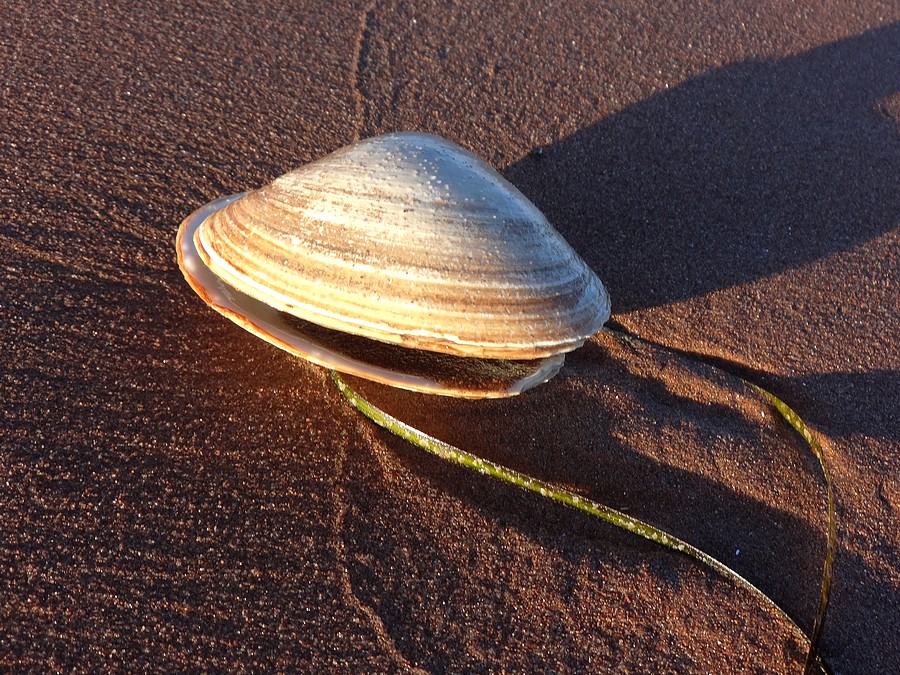
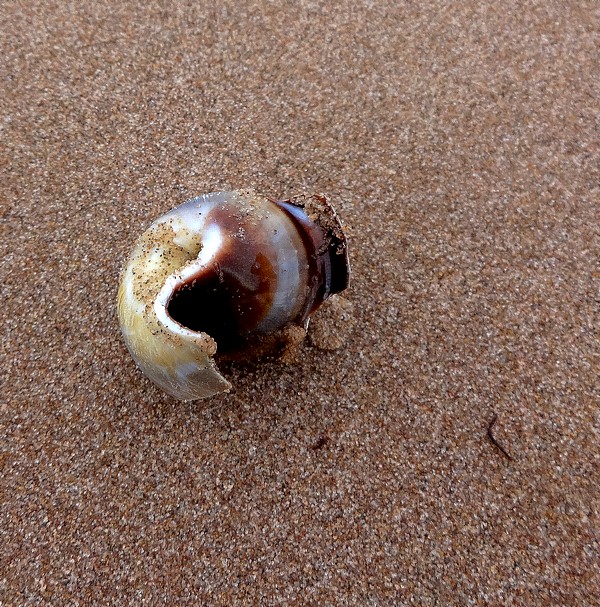
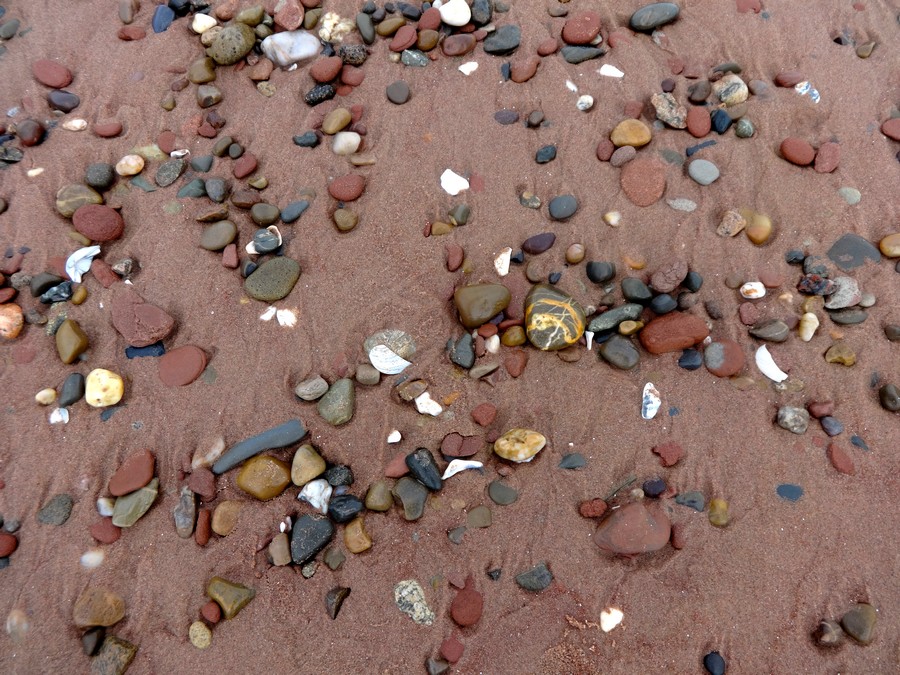
beach-3 beach-2 beach-3beach-4I bring back stones. And shells. And sometimes accidental seaweed.

beach-4Reminders of magic.


today’s colour(s) — tiny island version

dsc00319Hanging out with the buoys.


dsc00310Street address as sculpture.


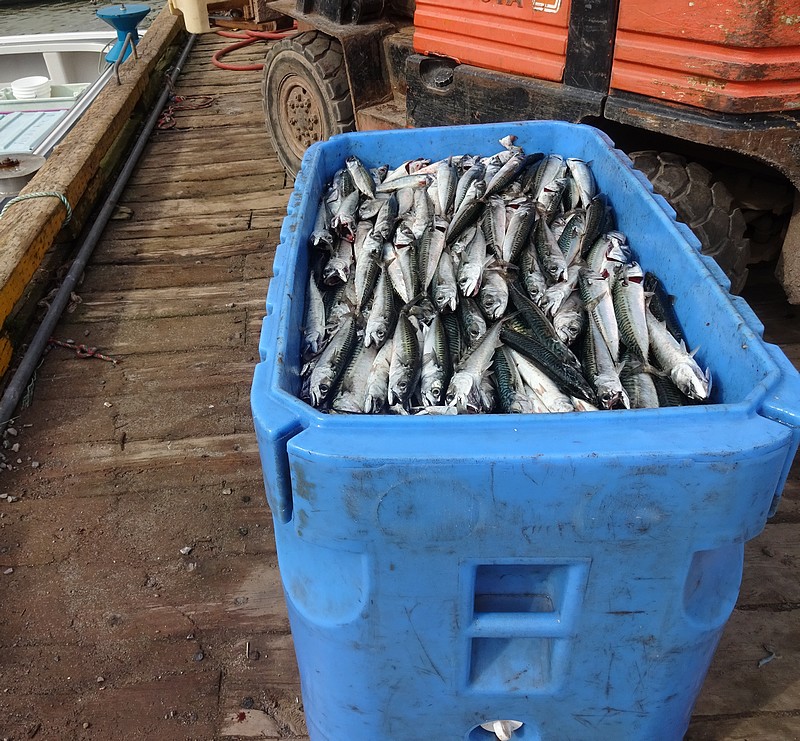
dsc04589Supper!


dsc00318French River.


dsc07367Too bad my suitcase wasn’t big enough.


dsc00256There is no reason NOT to paint your doorways green and purple.


dsc07366Hard to say goodbye to old friends with cute red wheels.


dsc07427Cabin art.


dsc00234Enlarge this to really revel in that blue blue…


dsc07369Again with the purple and green. An island thing? Can anyone explain?
 

dsc00313I don’t know that it’s possible to have lime green doors and be a pessimist, or even uncheerful.


dsc00255They could have painted this white but, cleverly, didn’t.


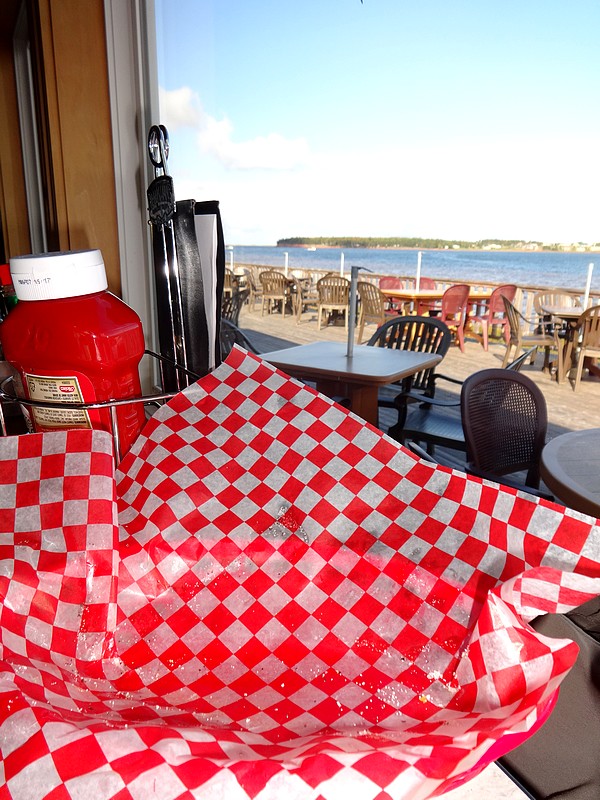
dsc00306Tables with view of post office. (Actually this is right next to the sweetest bookshop/cafe/bike shop just outside St. Peter’s.)


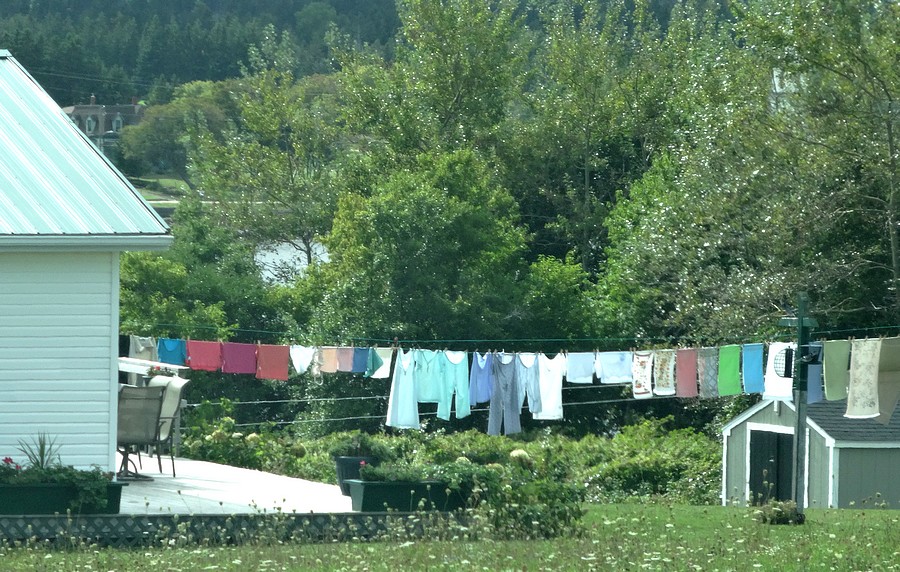
dsc00303Is laundry on a line not a thing to be besotted with?


dsc00316Too late. All gone.

More island colour here.

just a site…

 
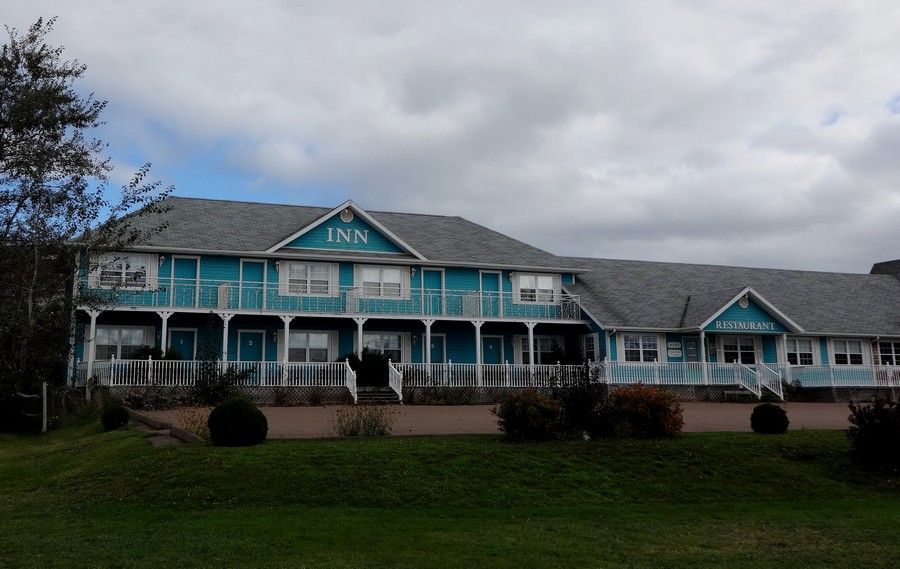
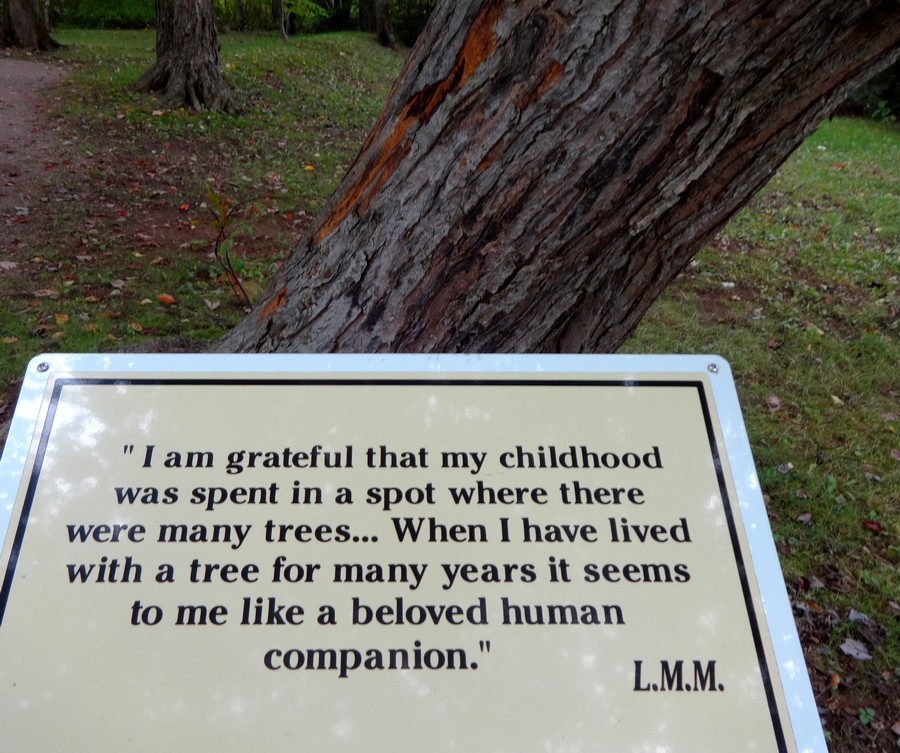
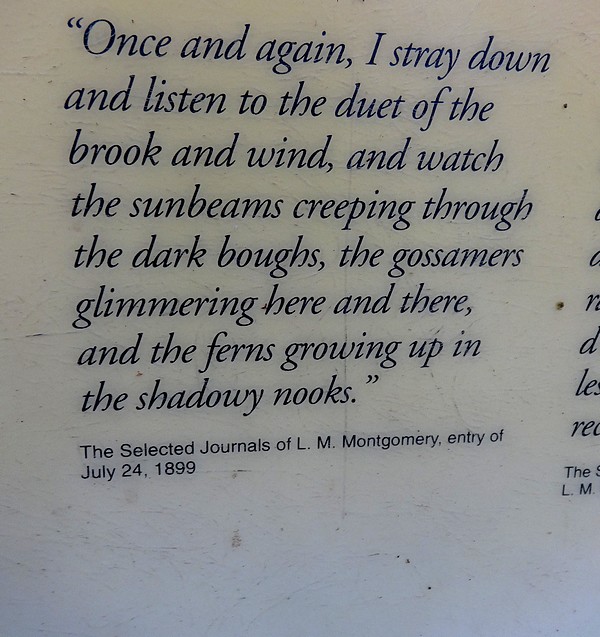
In Cavendish, PEI, heart of Green Gables country, with its bus tours, souvenir red braids, Anne Shirley motels and carriage rides with Matthew Cuthbert himself, there’s a scruffy little path off an unassuming parking lot with a simple sign telling you the path leads to the site of the house that Lucy Maud Montgomery grew up in and lived for most of her time on the island. Where she wrote her earliest books. It’s where Anne of Green Gables was rejected a number of times and the only reason Montgomery didn’t give up submitting was because the post office was very near by.

A gem of a place.

dsc00232The path, all brambles and apple trees, leads to a garden and the foundation of the old farmhouse. Montgomery has written, in her journals or letters, about coming around this very corner, seeing the lights on in the kitchen and the feeling of comfort that gave her.

dsc00228 dsc00216-copyThere’s no hoopla. No Matthew, no Lake of Shining Waters.

What there is is a small humble building, part bookstore (thankfully no gift shop) with an excellent selection of Montgomery’s work, and others, mostly about PEI… and part collection of things to look at, photos and letters, etc., that belonged to Montgomery. And there’s a woman named Jennie Macneill who’s eighty something and whose husband is related to the grandparents who raised Lucy Maud. He grew up on this acreage and together they’ve preserved the site and put up signs and built the bookstore and Jennie gives brilliant and heartfelt talks on Montgomery’s life here.

She does this as a labour of love. She’s Montgomery’s biggest fan.

dsc00218-copyNot a whiff of faux Avonlea. No green gables. This is the real deal.

dsc00207-copydsc00205-copyAnd it’s this realness that may be why there are no crowds here. A few people wander in and then out again… One young woman even walks away from Jennie’s talk claiming she’s a fan of Anne Shirley, not the author. There’s a sense of wanting entertainment or to be whisked from one thing to another.

The faux Avonlea a few minutes drive away is busy; I saw it coming in. A bus tour was disembarking.

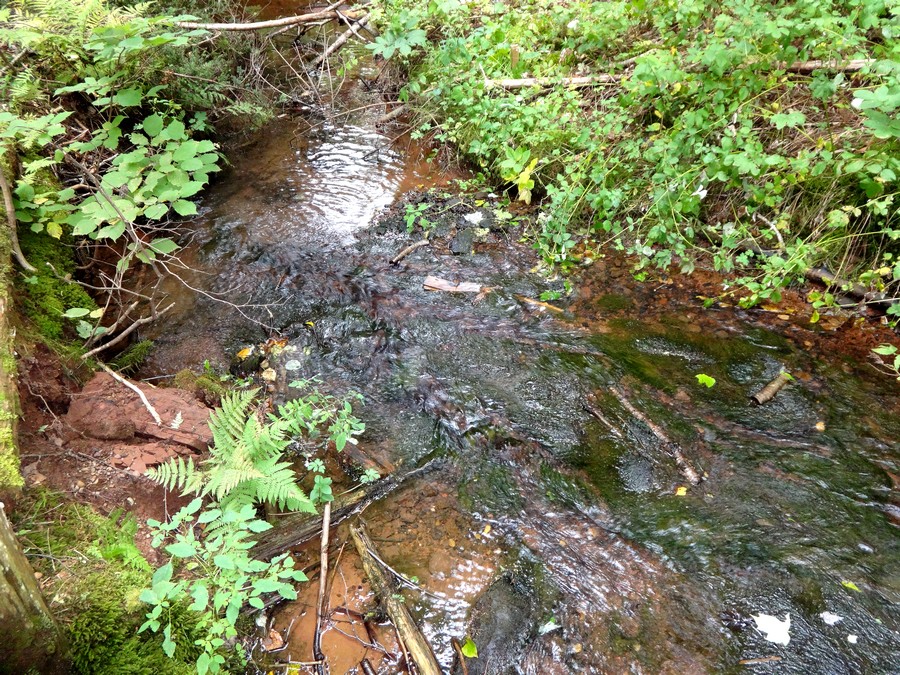
dsc00221dsc00204-copyNearby are woodland trails Montgomery walked to school, to the post office, to hang out with friends. Only a few people bother to walk them and those that do, speed through. One couple asks me if there’s anything to see up ahead. When I say, well, forest… they turn around and say they’ve already seen enough of that.

But first they ask me to take a picture of them smiling big, hugging. Then they hightail it out of there.

dsc00203-copydsc00202-copy dsc00196-copyJennie says that one of the apple trees is over a hundred years old, that it would have been around in Montgomery’s day. It’s still producing a few apples. She thinks that maybe its enduring nature is because the tree approves of what they’re doing here, that it feels their heart.

dsc00231 dsc00215-copyOn the way out I overhear a woman complaining that there’s nothing here, that it’s just a site… and I wonder what she’s looking for.

I’m sorry I didn’t ask.

home beach (with red sand still between my toes)

 
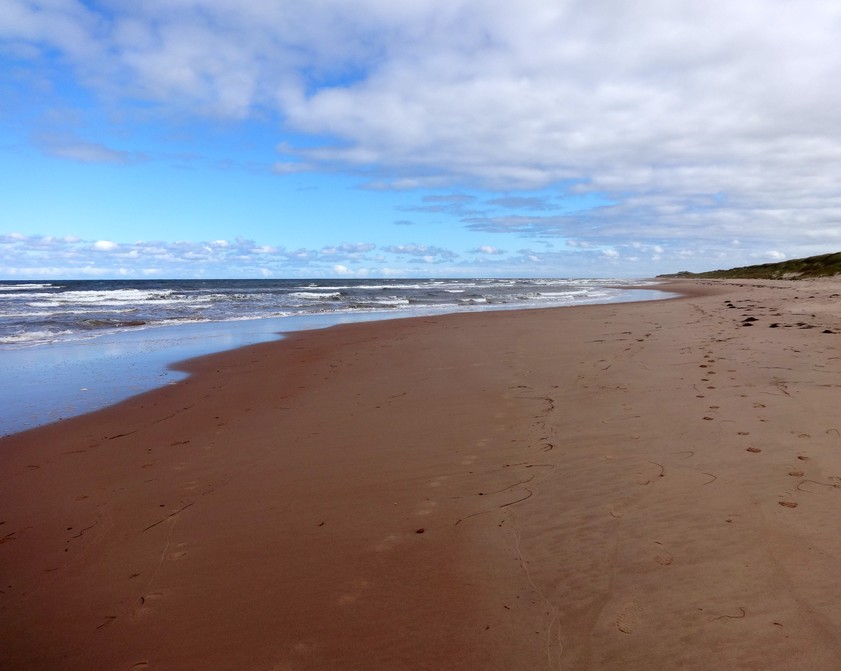
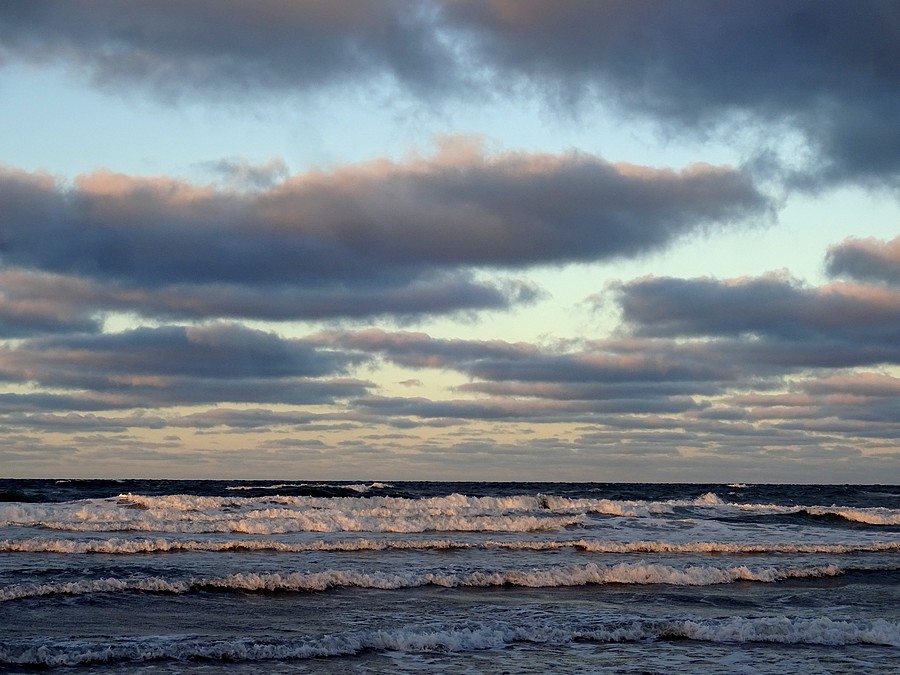
Have spent much of the last month on beautiful beaches that aren’t mine.

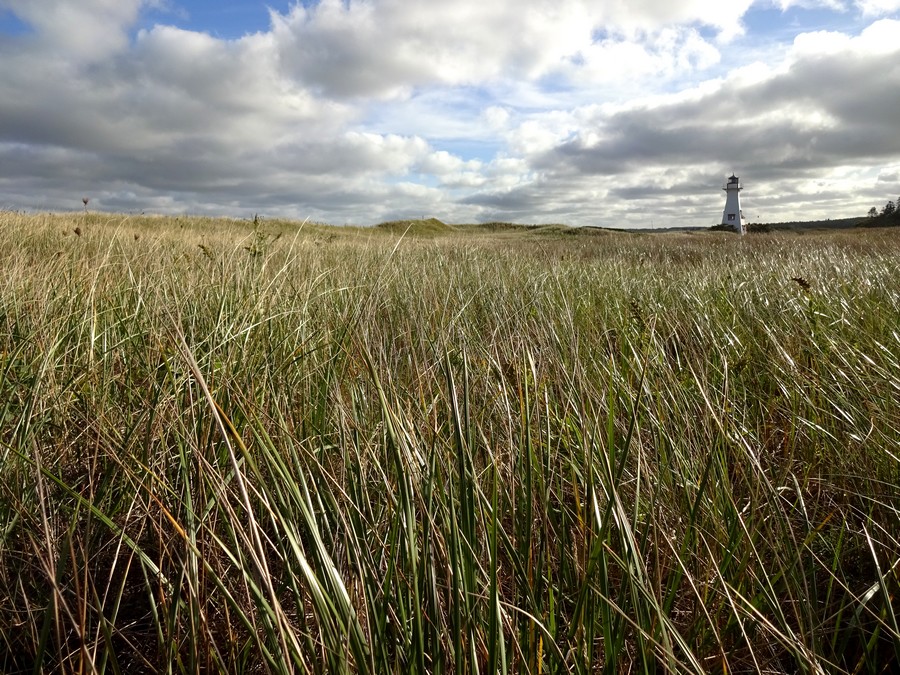
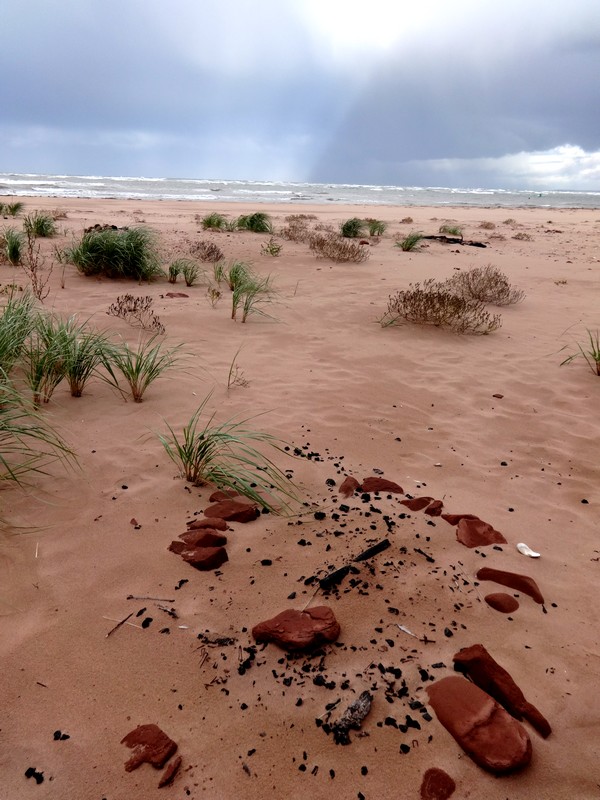
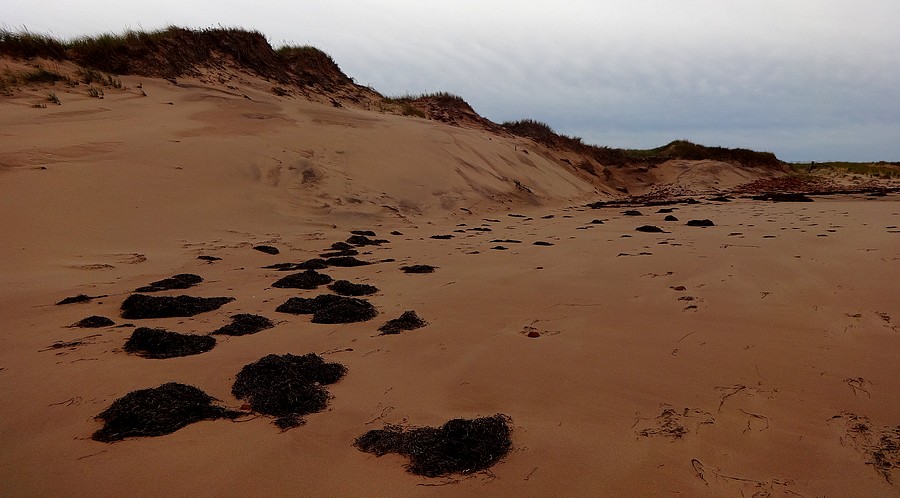
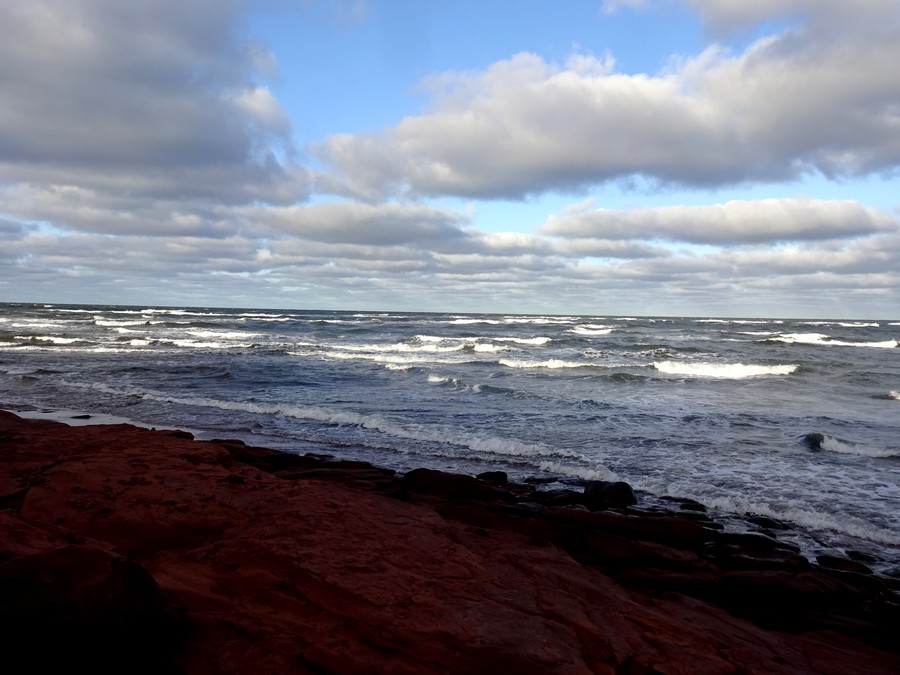
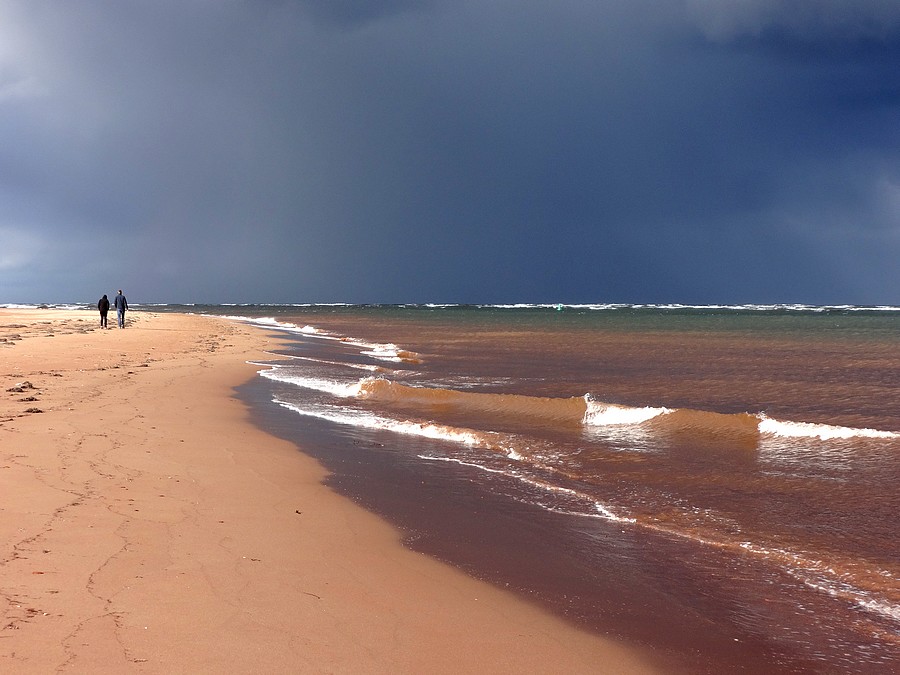
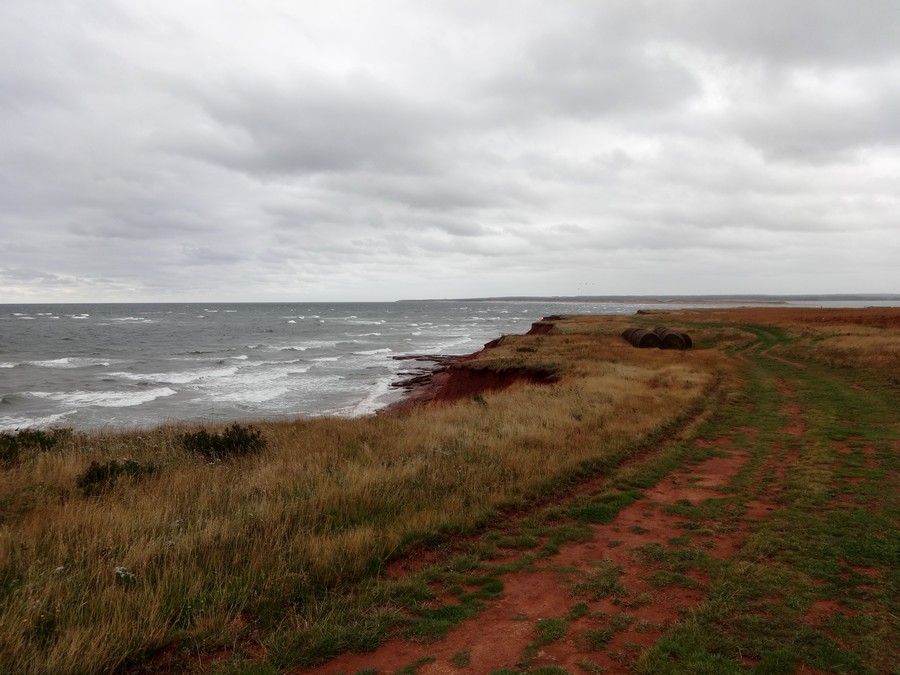
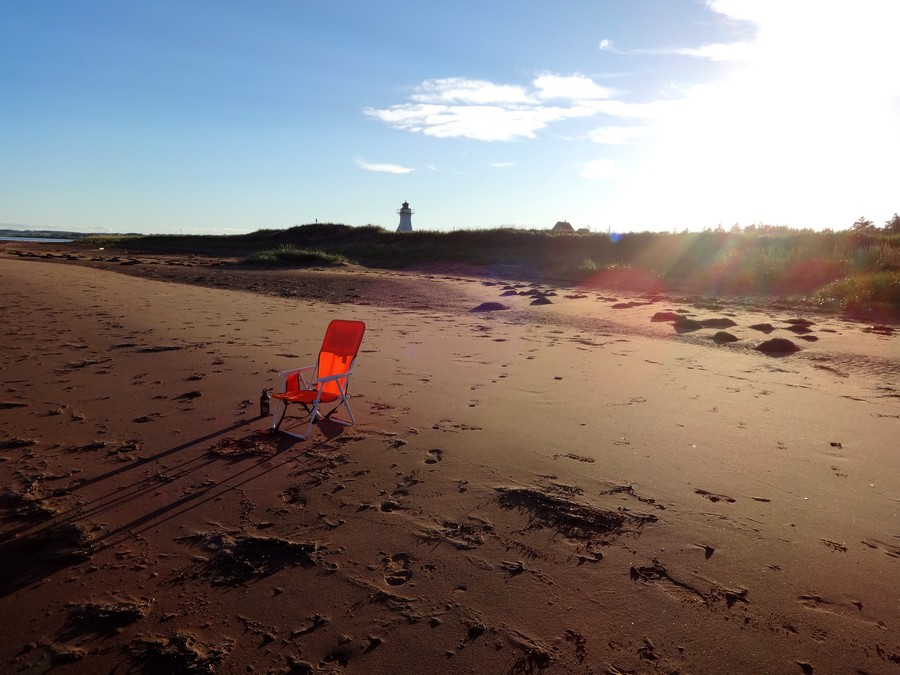
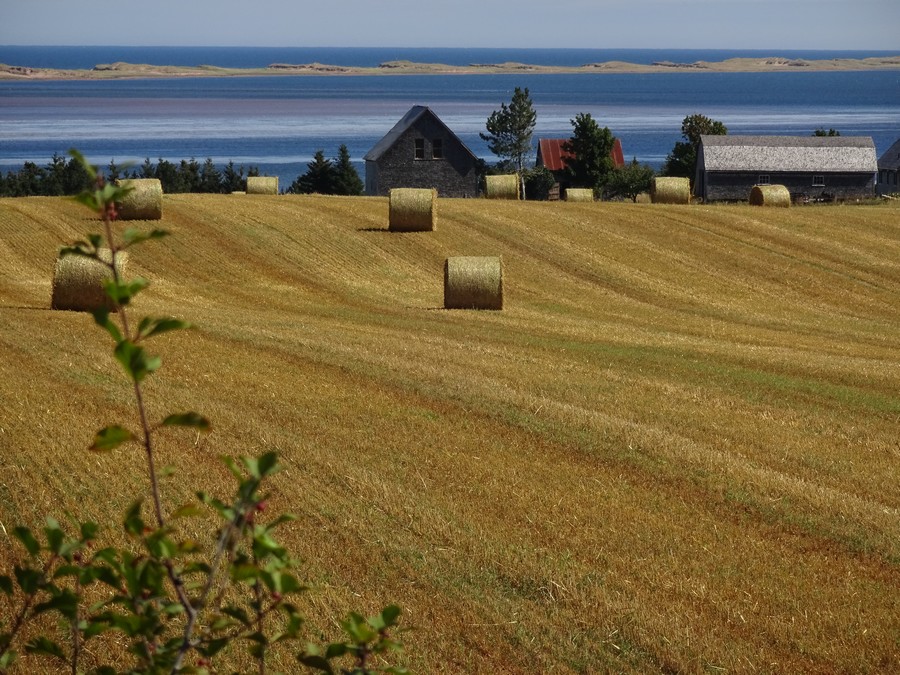
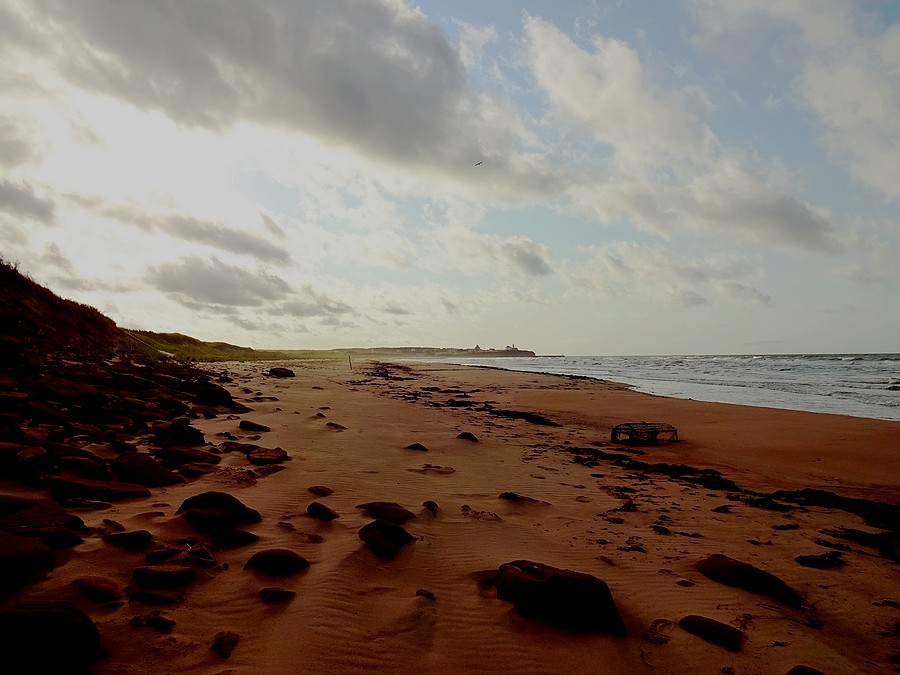
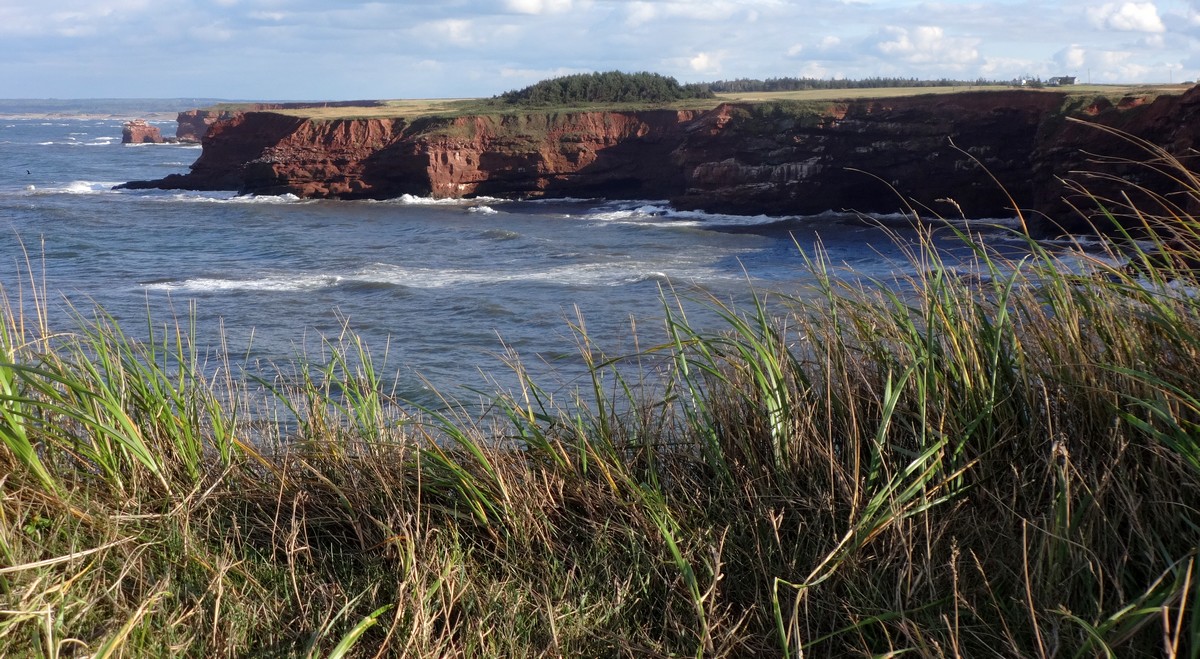
Mountain ringed BC lakes like mirrors and, most recently, those endless and magnificent PEI ones made of solitude, red sand, stone cliffs, cormorants and washed up lobster traps.

Now I’m back home.

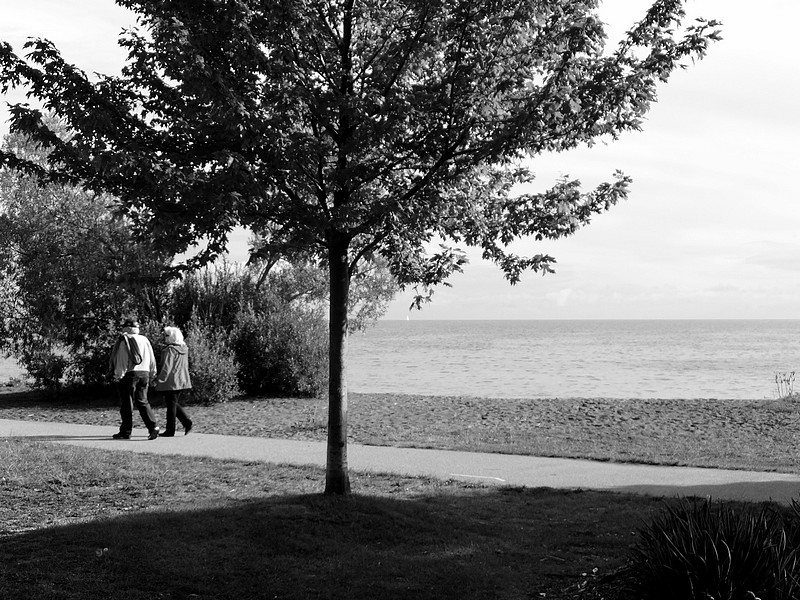
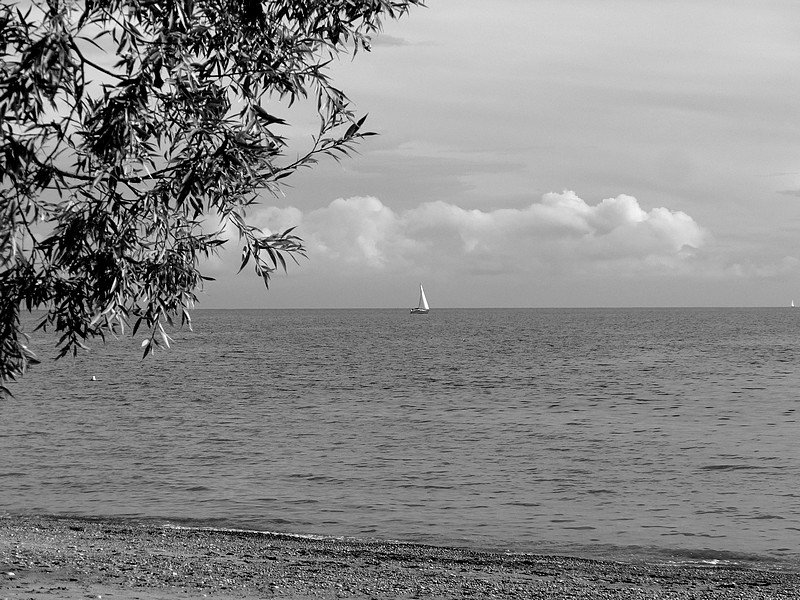
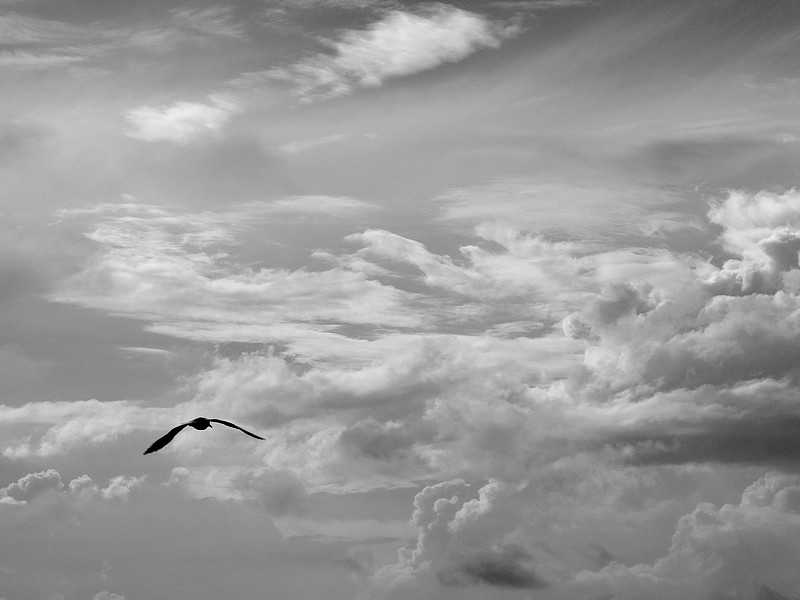
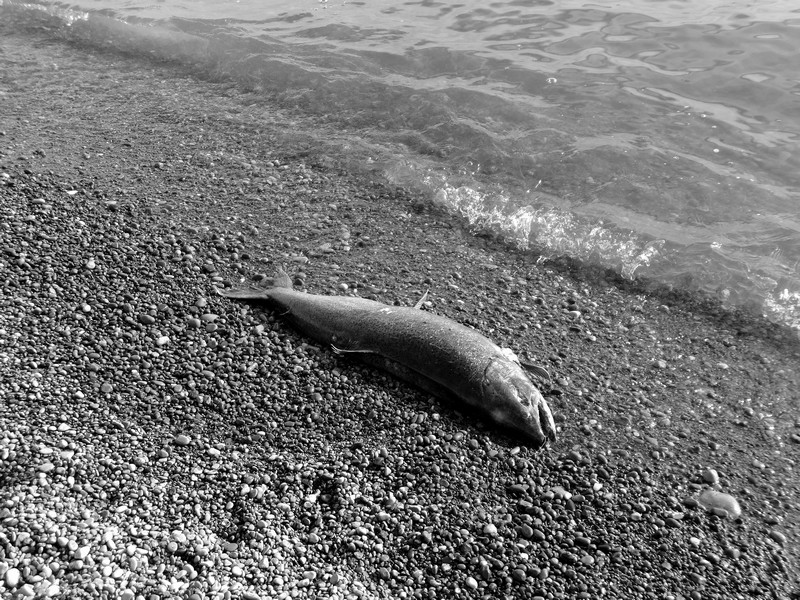
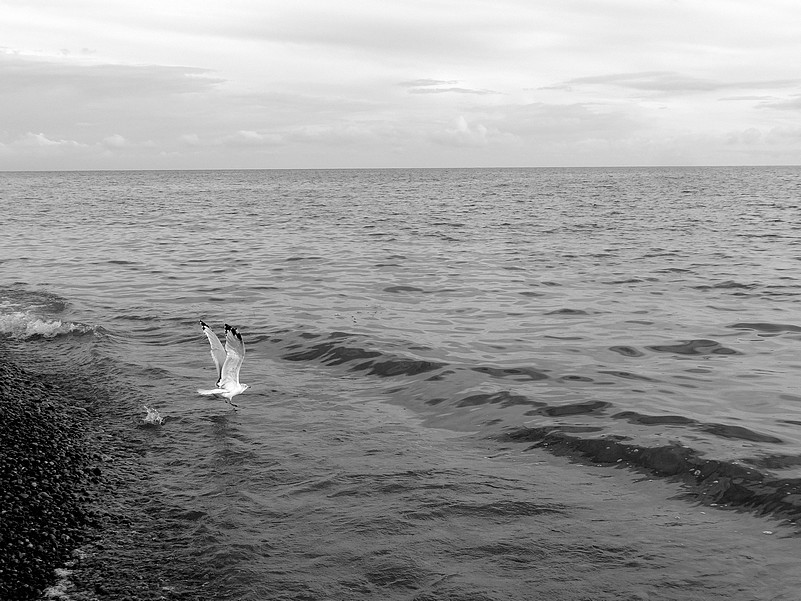
And where I live the beach has no red sand and the cliffs are more cute than seriously cliffy. Sometimes there’s solitude, sometimes dogs chasing sticks in the surf, families and picnics and the smacking lips of lovers, people who have happily found another who likes ‘long walks on the beach at sunset’. The cormorants are sea gulls and hang around the chip truck. Beach litter runs more to Timmy cups than lobster traps.

Do I look like I care?

#homebeachlove #colourblind

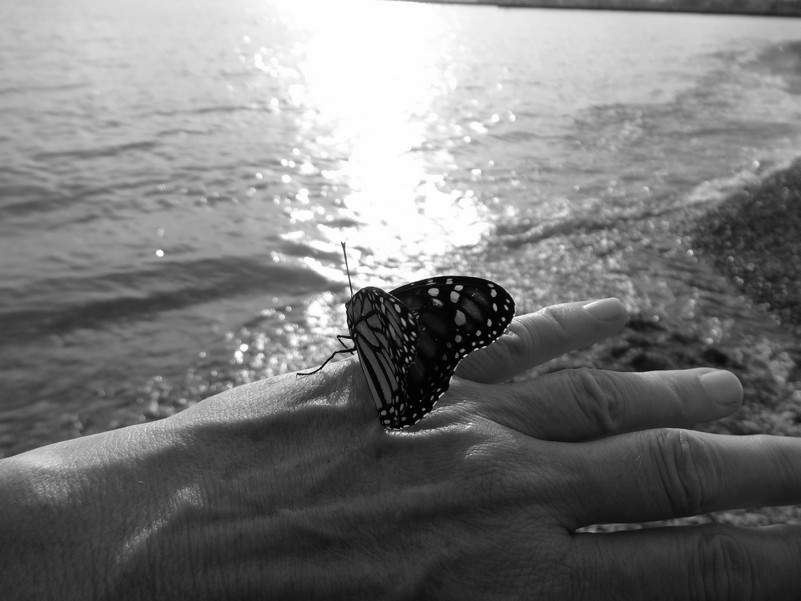
dsc07516dsc07517dsc07519dsc07518dsc07521dsc07520 dsc07535dsc07523Saw a monarch that was caught in the splash of a wave, one wing pinned under a tiny pebble. I saw it as I walked past looking for beach glass, assumed it was dead but reached down anyway and moved the pebble… and the wings fluttered. I let it climb onto my hand and it stayed there drying in the sun until a group of young girls noticed and squealed about a butterfly on that lady’s hand!!  and came running over to touch it. Better not to, I told them. It’s already had enough excitement and has to fly to Mexico when it catches its breath. They were that age where their eyes go all bright when you tell them about insects and Mexico and as their hands went down to their sides I saw that they suddenly wanted less to touch it then than to hope for its safe journey.

The winged thing climbed up my arm as I continued along the beach and I worried it would fall off and be trampled on the sand before it dried, so decided to introduce it to a stand of milkweed where it happily fluttered off my sleeve and onto a nearby shrub to check its GPS.

dsc07532 dsc07537