a league of nomads

“We were hockey gypsies, heading down another gravel road every weekend, plowing into the heart of that magnificent northern landscape. We never gave a thought to being deprived as we travelled, to being shut out of the regular league system. We never gave a thought to being Indian. Different. We only thought of the game and the brotherhood that bound us together off the ice, in the van, on the plank floors of reservation houses, in the truck stop diners where if we’d won we had a little to splurge on a burger and soup before we hit the road again. Small joys. All of them tied together, entwined to form an experience we would not have traded for any other. We were a league of nomads, mad for the game, mad for the road, mad for ice and snow, an Arctic wind on our faces and a frozen puck on the blade of our sticks.”

~ from Indian Horse, by Richard Wagamese

what’s not litter

1.  A green tennis ball stuck to the ice, immoveable, which is just as well once I realize that a gallumping, tail-wagging, tongue-lolling beast will likely be back tonight or tomorrow to look for it. And if it’s not IN ITS PLACE there will be hell to pay.IMG_0298

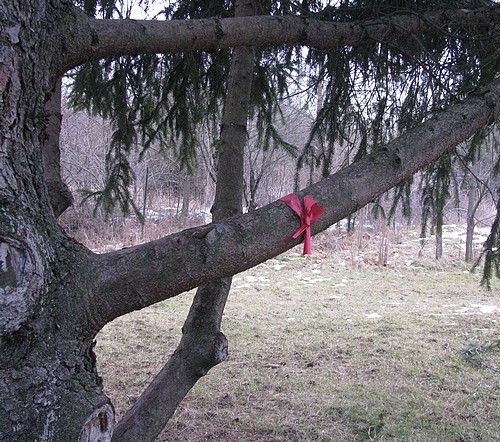
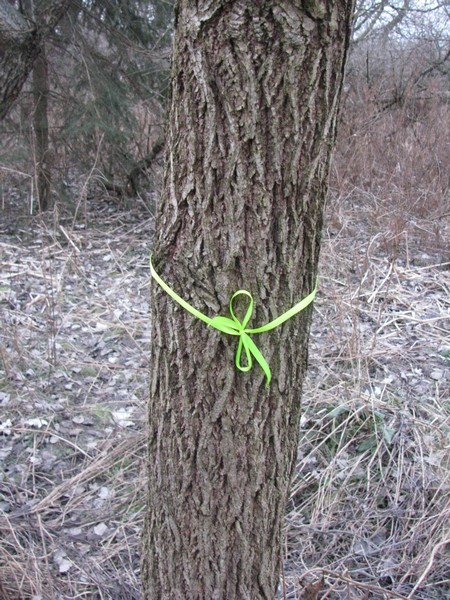
2. Anything red and ribbony and tied to a tree.IMG_0300IMG_0301IMG_0303Or indeed any ribbony colour.IMG_0324
IMG_0331

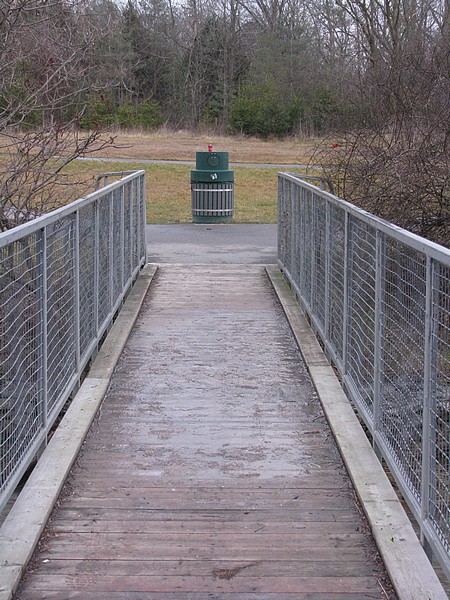
3. Things on TOP of a garbage bin.IMG_0314Especially if that thing turns out to be a full Timmy’s.IMG_0316

4. See #1 above. [No ice but same reasoning applies.]IMG_0335

wedding party under miami moon


It was a warm and windy night

IMG_7292
on Matheson Hammock.

IMG_7241
They were kite sailing in the bay,

IMG_7243
Miami as a backdrop.
IMG_7285
IMG_7288
IMG_7268
I was being silly.

IMG_7294
The sky grew dark

IMG_7291
the way skies do

IMG_7301
especially at night

IMG_7297
and the moon was out and there was a wedding on the beach.

The bride laughed as the wind whipped her skirt and shawl and later the wedding party, such as it was, a few friends, had dinner on the patio, all casual and chatty, not a young couple, fifty-ish. Not boisterous. Not like it was new or anything, this wedding lark. Not like there was anything to prove.
IMG_7308

I didn’t get a picture of them.

IMG_7312
IMG_7313 - Copy
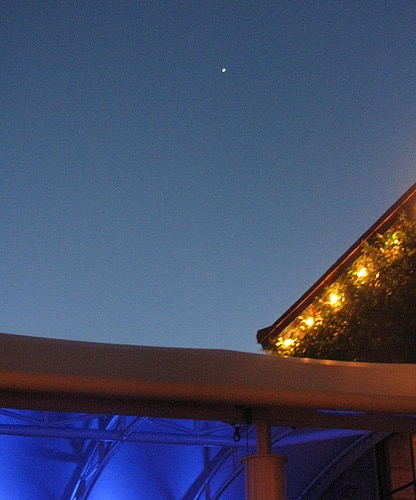
But I got a star.
IMG_7315
IMG_7305
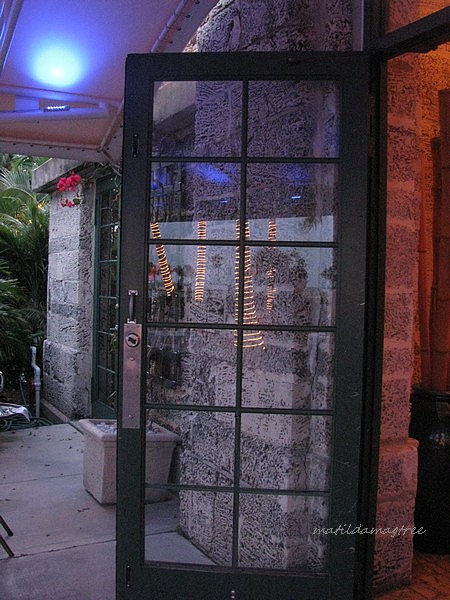
Some blue lights.

IMG_7278
And a raccoon.
In the light of that wedding party moon.

◊♦◊

More Travel:

Montreal
Prince Edward Island
Stratford
Niagara Region
Peterborough
Chile
Vancouver

go fly a kite

“A kite is a victim you are sure of.
You love it because it pulls
gentle enough to call you master,
strong enough to call you fool;
because it lives
like a desperate trained falcon
in the high sweet air,
and you can always haul it down
to tame it in your drawer.”


—from ‘A Kite is a Victim’ (The Spice-Box of Earth), by Leonard Cohen”

IMG_0238

yes i did, i gave a child glass cleaner for xmas


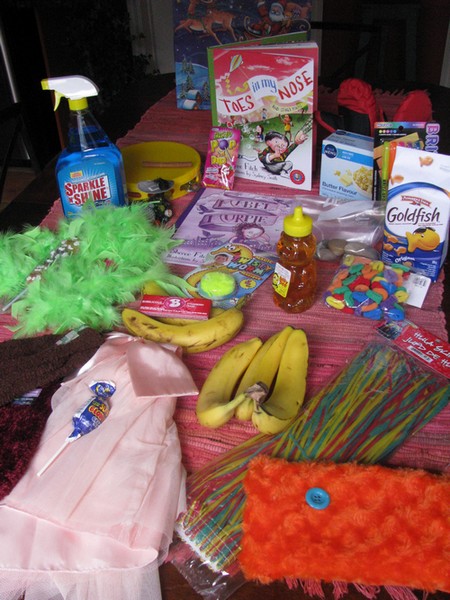
The gift I most loved giving this year—

A treasure hunt bag of things that are found among the poems in Sheree Fitch’s Toes in My Nose.

Also included, a ‘discovery form’ for noting which poems and which items correspond (creative interpretation encouraged so there are many options and connections… as I quickly discovered by watching a tiny mind at work—and I don’t mean mine).

When completed the form may be handed in for a prize.

Prize to be determined (but very likely another book… shhh).
IMG_0155

i am the interruption of assumptions: who am i?

“…I’m actually more interested in how our minds use language as a way to organize the world—that is, the way the mind searches for stability by creating categories and classifications, and the way it makes meaning. I’m quite serious in saying that the study of riddles—their long history, their presence in nearly every culture of the world in every age, their subversive nature—affects our mode of thinking. Riddles interrupt our human inclination to stash things in well-defined cubby holes, to insist upon order and to find ‘solutions’ to things that puzzle us. Riddles ask us sometimes to live comfortably without firm solutions. At their best they can each us to think metaphorically, to find fresh ways to say things, to think about indirection as a writing strategy, to build a tolerance for alternative meanings and contradictory truths, to turn away from infallibility and learn to live with our own stupidities, and to question assumptions—something every writer, not to mention every good citizen in a participatory democracy, should know how to do. For example, here’s a riddle, which is not poetry but which I do like:

A bus driver was heading down a street in Colorado. He went right past a stop sign without stopping, he turned left where there was a ‘Not left Turn’ sign and he went the wrong way on a one-way street past a cop car. Still—he didn’t break any traffic laws and didn’t get a ticket. Why not?

(Because he was walking.)

“Our assumptions are wrong from the beginning, and the person who framed this riddle understood how to manipulate the reader into believing one thing (a bus driver only drives) while many alternative things about a bus driver are true—for example, a bus driver can walk. Riddles obstruct our desire to pigeon-hole people, objects and events, and to keep things neatly organized in categories. They make us rethink our assumptions.

“I’m interested in that. I’m interested in the interruption of assumptions. as a technique of fiction. We lead people to believe something, based on the preconceptions they come into the story with. Then we turn those preconceptions on their head, and we take our readers someplace unexpected.”

— an excerpt from Who Am I ?  What the Lowly Riddle Reveals, by Julie Larios.

800px-1909_Tyee_-_Sphinx_cartoon